Low-mess meal planners
New parents making an adult sandwich, pasta dish or jacket-potato topping with little preparation. A no-drain tin matters most when avoiding the draining step would make that meal easier.


Choose tinned tuna for a cupboard ingredient in a quick adult meal; choose fresh tuna fillets when you need chilled fish to cook. Among tins, chunks suit mixed dishes, while steak-format products offer larger pieces. Check the packing liquid and the exact product instructions, particularly if the tuna is for someone who is pregnant, breastfeeding or a child.
New parents making an adult sandwich, pasta dish or jacket-potato topping with little preparation. A no-drain tin matters most when avoiding the draining step would make that meal easier.
Buyers deciding whether smaller chunks should mix into a filling or larger steak-format pieces should remain distinct in a salad or main meal.
Households where the intended eater is pregnant, breastfeeding or a child. Who will eat the tuna, and the child’s age where relevant, matter before the tin format does.
Decide whether the meal calls for a ready-to-use tin or chilled fish to cook, then compare the cut, packing liquid and instructions on the exact product.
| Concern | What to check | Who this matters to |
|---|---|---|
| Preparation and clean-up | Look for an explicit no-drain or ready-to-eat instruction; check the portion size. | When an adult meal has to come together quickly, skipping the draining step can matter. About 33% of consumers put low-mess preparation first. |
| Cut and meal fit | Distinguish tinned chunks from tinned steaks, and both from chilled fresh fillets. | If the tuna will be mixed into a filling, smaller pieces may suit the dish; a salad may call for pieces that stay distinct. About 25% of consumers prioritise cut and meal fit. |
| Cupboard planning | Check pack size, best-before information and storage instructions after opening. | Keeping tins for future meals is useful only if the portions and instructions fit how the household will use them. About 25% of consumers make practical cupboard planning their primary concern. |
| Who will eat it | Identify the intended eater; read fish-allergen, bone and preparation warnings alongside relevant NHS guidance. | For a pregnant parent or a child, convenience cannot settle whether and how to serve the tuna. About 17% of consumers put pregnancy or child-feeding checks first. |
Tinned chunks and steaks are not the chilled, uncanned fish sold as fresh fillets or steaks. The format changes both preparation and how the fish appears in the dish.
Decide whether you need a cupboard ingredient or chilled fish to cook before choosing the cut.
Princes lists 0.85g salt per 100g drained for its spring-water chunks and 0.9g per 100g drained for its steaks in brine. These figures describe those products, not every tin from either range.
Compare labels on the same per-100g basis, noting whether values refer to drained tuna, and check the packing liquid.
A ready-to-eat label does not establish that a product’s texture or portion suits a child. Fish-allergen information, possible bones and product-specific preparation instructions also matter.
Read the exact pack and follow age-appropriate feeding guidance. For pregnancy or when trying for a baby, use the NHS tuna guidance when planning total weekly intake.
Its No Drain chunks in spring water are relevant when avoiding a draining step matters for an adult meal.
Its listed products offer a choice between chunks in spring water and steaks in brine.
Its tinned-tuna range provides own-label chunks and steaks alongside branded products for a format comparison.
Its separately listed tinned tuna and fresh yellowfin tuna steaks help distinguish a cupboard ingredient from chilled fish to cook.
Its listing of John West No Drain tuna is relevant when comparing that branded format.
These tinned chunks and steaks cover quick adult meals and cupboard planning. Check each product’s packing liquid and preparation instructions; none is a fresh fillet.
 Image unavailable
For an adult meal when avoiding draining is the main convenience. This is a three-can pack of 100g portions in spring water. The product information identifies fish as an allergen and says to refrigerate after opening and consume within two days; check the pack for bone warnings before serving.
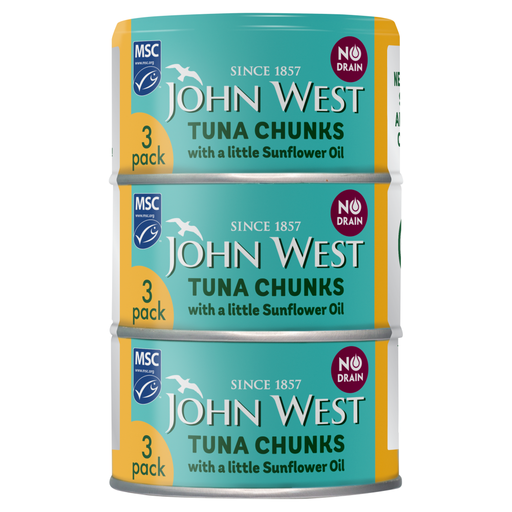 Image unavailable
For a quick adult meal when a no-drain tin packed in sunflower oil suits the dish. The three cans contain 100g each. The product information identifies fish as an allergen, warns that some bones may remain, and says to refrigerate after opening and consume within two days.
 Image unavailable
For keeping chunks on hand for sandwiches, salads or pasta. This pack contains four 125g cans in spring water; check this specific pack if use without draining matters, rather than assuming it is a No Drain product. The product information identifies fish as an allergen and says to refrigerate after opening and consume within two days.
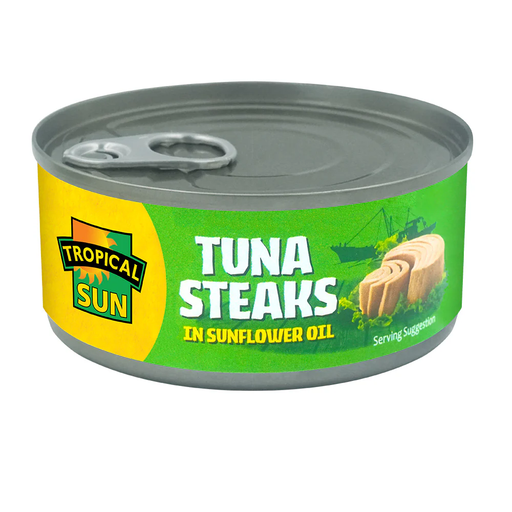 Image unavailable
For a tinned steak format when larger pieces suit the planned meal. The product description states a 160g net quantity and says it is ready to eat. It identifies fish as an allergen and instructs buyers to transfer unused contents to a non-metallic container, refrigerate and consume within 24 hours of opening; check the pack for bone warnings.
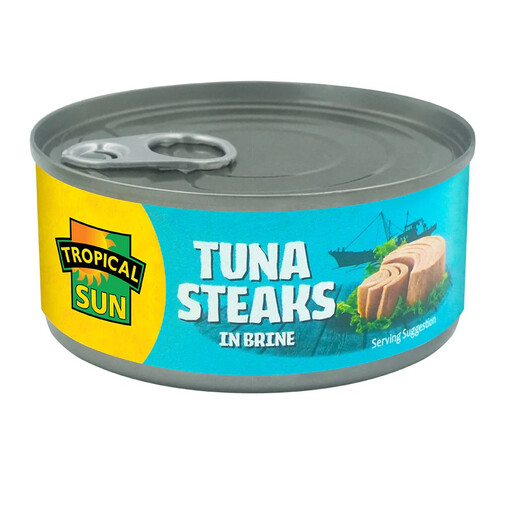 Image unavailable
For a tinned steak format when you can follow the pack’s cooking instructions: this product is not ready to eat and must be cooked thoroughly. Its description says it is unsuitable for children under four because of its texture and identifies fish as an allergen. After opening, transfer unused contents to a covered container, refrigerate and consume within 24 hours.
No. Tinned chunks and steaks are canned products, while fresh fillets or steaks are chilled fish to cook. M&S lists fresh yellowfin tuna steaks separately from its tinned products; choose according to the recipe and preparation you need.
If you are pregnant or trying for a baby, NHS guidance says to have no more than four cans of tuna a week or two tuna steaks a week because tuna has higher mercury levels than other fish. Consider tuna across your meals, not just the product you are buying.
The NHS states that there is no limit on how much tuna you can eat while breastfeeding. Still follow the chosen product’s allergen, preparation and storage instructions.
Choose according to the child’s age and the particular product rather than treating an adult-ready tin as automatically suitable. NHS Best Start in Life says introducing solids usually starts at around six months; its tuna-dip recipe is labelled for children aged 12 months and older. Check texture, fish-allergen information, bone warnings and any product-specific age restriction before serving.
Follow the chosen pack’s instructions. The cited M&S tinned-chunks label says to transfer unused contents to a non-metallic container, refrigerate and eat within two days; the listed Tropical Sun steak products specify consumption within 24 hours of opening.