Post-ride meal planners
Cyclists using tuna as one part of a meal. British Cycling advises pairing protein with carbohydrate foods such as bread, rice, pasta or potatoes.


Choose tinned tuna for a ready-to-eat component of a packed or post-ride meal; choose a fresh or chilled fillet when you want to cook tuna and can keep it refrigerated beforehand. Neither format supplies a complete cycling meal on its own: British Cycling advises including carbohydrate alongside protein, so consider the rest of the meal as well as the tuna. For a tin, compare the cut, packing medium, serving size and nutrition label rather than assuming a steak-style product is a fresh fillet.
Cyclists using tuna as one part of a meal. British Cycling advises pairing protein with carbohydrate foods such as bread, rice, pasta or potatoes.
Cyclists who want tuna they can use at work or after a commute, particularly when draining a tin or cooking fish would be inconvenient.
Cyclists choosing between larger pieces of tinned tuna steak and a fresh or chilled fillet they can cook for a meal at home.
Decide whether the meal needs a ready-to-eat tin or a fillet for cooking, then compare the details that affect your intended portion.
| Concern | What to check | Who this matters to |
|---|---|---|
| Building a post-ride meal | Compare protein and carbohydrate per 100g or per drained serving; choose a carbohydrate food for the rest of the meal. | After training, I want tuna as a protein component without mistaking it for the whole meal. About 36% of consumers put building that meal first. |
| Low-mess preparation | Look for explicit no-drain wording, a suitable pack size and salt per 100g. | For lunch after a commute, opening the pack without draining it matters more to me than the presentation of the tuna. That is the primary concern for about 29% of consumers. |
| Repeatable meal portions | Compare drained weight and pack count; check whether chunks or steaks suit the dishes you plan. | When preparing several lunches, I need portions that work in sandwiches, pasta or other mixed meals. About 21% of consumers primarily focus on that flexibility. |
| A cooked fillet meal | Distinguish tinned steak from fresh, chilled or defrosted fish; check the latter’s storage and cooking instructions. | If I want to cook a tuna fillet for dinner, I can allow for refrigeration and preparation rather than choosing a ready-to-eat tin. That cooked-meal preference comes first for about 14% of consumers. |
The selected spring-water tuna steaks list zero or negligible carbohydrate. British Cycling discusses carbohydrate-containing foods for cycling meals and snacks during longer rides.
Use tuna as part of a meal with a carbohydrate food, rather than relying on it alone for a long ride.
A tinned tuna steak is preserved and ready to eat. Fresh or chilled tuna steaks are separate products that need cold storage and preparation.
Check whether the listing describes a tin or a fresh, chilled or defrosted fish product before deciding how you will use it.
John West, Princes and Asda list different salt values for the specific tuna products described here. A spring-water or no-drain description does not replace a nutrition-panel check.
Compare salt per 100g and for the portion you intend to use.
The amount available for a meal can depend on drained weight, while opened-tin storage instructions matter if a portion is left over.
Check drained weight and follow the instructions on the particular pack after opening.
A pack with more tuna than you will use within its stated storage period may leave unwanted leftovers.
Its selected no-drain tuna-steak products suit lunches where draining a tin would be inconvenient.
Its Tuna Steaks in Spring Water provide a conventional tinned-steak option.
Its own-label range includes spring-water steaks and chunks in multipacks.
Selected own-label products include drained-and-ready tuna and tinned tuna steaks.
Selected tinned tuna steaks in spring water include a product described as already drained.
These tinned chunks and steaks offer options for ready-to-eat lunches or post-ride meals. Check each pack for the portion and preparation details you need; a fresh fillet remains a separate choice for cooking.
 Image unavailable
The no-drain chunk format is an option for a lunch where you want to avoid draining the tuna. Compare the pack’s nutrition values and serving basis before planning the rest of the meal.
 Image unavailable
The six-pack of chunks suits repeated lunches where the tuna will be mixed into a dish. Compare the drained portion and salt on the current label when planning each meal.
 Image unavailable
The four-tin pack offers chunks for portioned lunches or mixed meals. Check this pack’s instructions before deciding whether to drain the tuna; do not assume it has the no-drain format of another John West product.
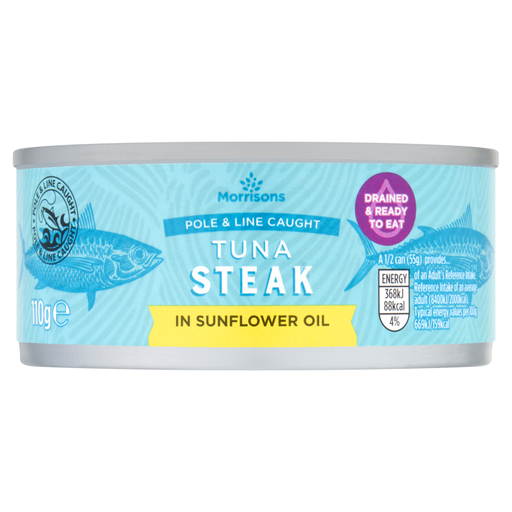 Image unavailable
This tinned steak format is an option when you want larger pieces rather than chunks. It is packed with sunflower oil, not spring water; check the current pack for draining instructions before preparing the meal.
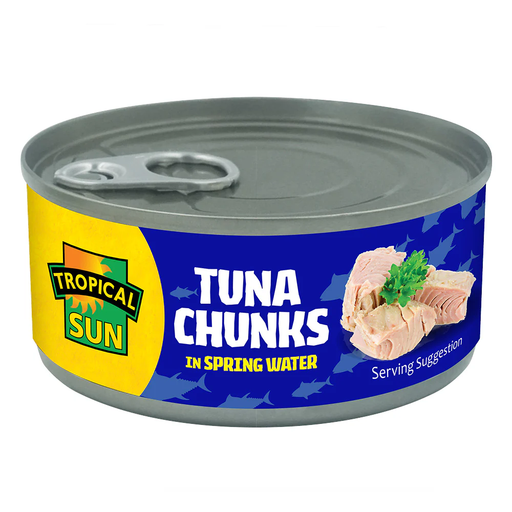 Image unavailable
The chunks can be used in a sandwich, salad or pasta meal. Check the current label’s protein value and serving basis when deciding how much tuna to use, and read the allergen information.
Choose tinned tuna when you need a ready-to-eat meal component, or a fresh or chilled fillet when you want to cook and can refrigerate it first. British Cycling advises including carbohydrate alongside protein in cycling meals, so neither tuna format settles the rest of the meal choice.
Tuna alone does not provide the carbohydrate discussed in British Cycling’s guidance for longer rides. Selected spring-water tuna products list negligible carbohydrate; plan suitable ride food separately rather than treating a tin as complete ride fuel.
No. A tinned tuna steak is a preserved, ready-to-eat product, while a fresh or chilled fillet is bought for preparation and cooking. Check the product description and storage instructions if the word “steak” appears in a listing.
For people who are pregnant or trying for a baby, the NHS advises no more than four cans of tuna a week or two tuna steaks a week because tuna can contain mercury. This guidance is specific to that situation; seek individual advice from a healthcare professional if needed.
Follow the instructions for the particular product. The Joybuy listing for Princes Tuna Chunks in Spring Water says to transfer leftovers to a sealed container, refrigerate them and use them within two days of opening; do not assume every tin has identical instructions.