Comfort-food cooks who want tuna to stand out
If tuna is the topping or a noticeable part of a jacket potato, pasta bake or melt, the distinction between chunks and steaks matters to your choice. Princes and M&S list steak formats as well as chunks.


Choose the cut and packing medium for the dish before deciding what feels premium. Steaks or fillets are worth considering when you want distinct pieces of tuna on a jacket potato or in a melt; spring-water chunks give you a simpler base when a pasta bake or filling gets its flavour from other ingredients. Check the individual tin for drained weight, nutrition, fish allergen information and any sourcing claim rather than assuming these are shared across a brand.
If tuna is the topping or a noticeable part of a jacket potato, pasta bake or melt, the distinction between chunks and steaks matters to your choice. Princes and M&S list steak formats as well as chunks.
If you plan to add cheese, mayonnaise, sauce or oil yourself, spring-water chunks offer a different starting point from an oil-packed tin. Compare ingredients and nutrition on the exact products you are considering.
If certification or catch method matters most, look for an MSC ecolabel or pole-and-line statement on the individual product. Sainsbury's and M&S give sourcing information for specific own-brand tins; it should not be assumed to cover every product they sell.
For winter comfort dishes, decide whether the tuna needs to remain distinct in the finished meal or will be mixed with other ingredients. Then compare the individual tins on the details that matter to you.
| Concern | What to check | Who this matters to |
|---|---|---|
| Cut and packing medium | Check whether the tin contains steaks, fillets or chunks, and whether they are packed in oil, water or brine. | If I want tuna to remain a distinct part of a hot jacket potato or melt, I will look at the cut before choosing a brand. About 40% of consumers put that dish-led texture first. |
| Product-level sourcing | Look on the specific can for an MSC ecolabel, stated species or catch-method wording. | I would rather check a claim on the tin than assume it applies across a retailer's range. Product-level sourcing is the main concern for about 30% of consumers. |
| Ingredients and nutrition | Compare ingredient lists and nutrition on the same basis, preferably per 100g drained; read the fish allergen and storage panels. | When I am adding my own sauce or cheese, I want to know what the tuna already contains. About 30% of consumers chiefly want that ingredient and nutrition flexibility. |
An oil-packed steak and spring-water chunks have different ingredients and cooking roles; neither description alone tells you which fits your recipe.
For a prominent topping or filling, inspect steak and fillet formats. For a sauce-led dish, consider chunks and decide what to add during cooking.
MSC certification and pole-and-line wording relate to specific products. A brand name alone does not establish the credentials of another tin.
Check the selected can for the precise label, species and catch-method statement that matters to you.
Tins packed in different liquids need not contain the same quantity of drained tuna, even when the pack sizes look similar.
Read the drained-weight figure when comparing how much tuna each option provides for your dish.
Storage directions can differ between products. Sainsbury's and M&S product instructions specify transferring leftovers to a non-metallic container and refrigerating them.
Read your tin's post-opening directions and follow its stated use-within period.
Princes lists both spring-water chunks and Ocean Select Yellowfin Tuna Steak in Olive Oil with Lemon, giving cooks two distinct formats to consider.
John West's No Drain chunks and steak pots offer formats to inspect when convenient preparation matters.
Tesco's own-brand chunks and steaks can be compared by cut and packing medium alongside other products in its tinned-tuna category.
Its own-brand spring-water chunks are an option to examine for pasta fillings and other dishes where tuna is mixed with added ingredients.
M&S lists chunks, steaks and other tinned-fish formats, allowing a choice based on the role tuna will play in the recipe.
These Joybuy selections include chunks in spring water, sunflower oil or brine, plus a steak format in olive oil. Choose according to whether the tuna will be mixed into a dish or served as a distinct part of it.
 Image unavailable
Consider these spring-water chunks for a pasta bake or another dish where you will add the sauce separately. The pack contains four 125g tins; choose a steak or fillet format instead if distinct pieces of tuna are central to the dish. Check the can for any sourcing details important to you.
 Image unavailable
These oil-packed chunks are an option when sunflower oil suits the planned jacket-potato filling or pasta dish. The pack contains four 145g tins, but the chunk cut is different from a steak or fillet. For a nutrition comparison with drained tuna, check that the figures use the same basis.
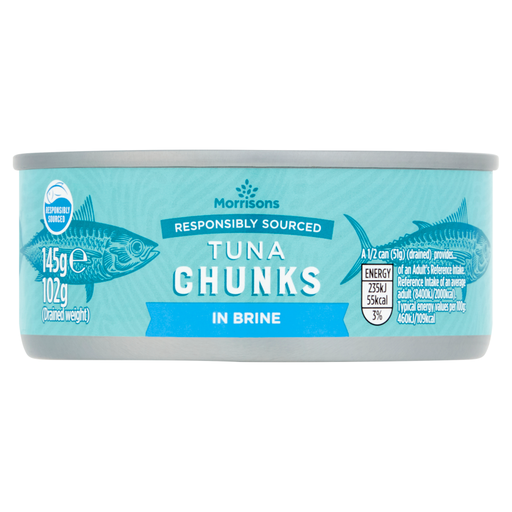 Image unavailable
This brine-packed chunk format is another option for a pasta bake or a filling mixed with other ingredients. The tin is 145g; compare its drained weight and salt information with the alternatives you are considering. It is not a steak or fillet format.
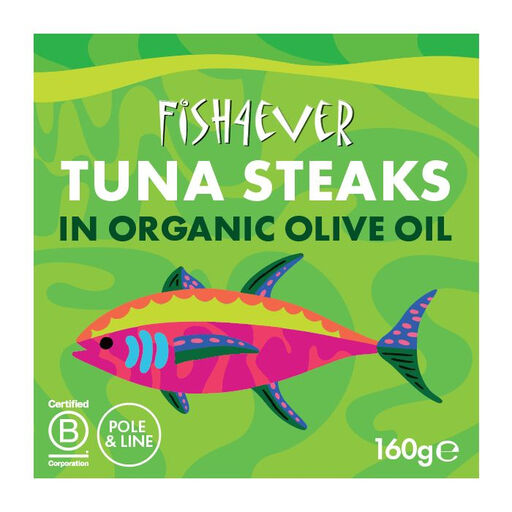 Image unavailable
Consider the steak cut when you want distinct pieces of tuna in a meal rather than chunks mixed through a sauce. This 160g tin is packed in organic olive oil; that description applies to the oil, not to the tuna's fishing method. Check the can for sourcing details and for nutrition figures on a comparable drained basis.
Choose by how you want the tuna to appear in the finished dish: inspect steaks or fillets if distinct pieces matter, or consider chunks when they will be mixed through a sauce. Check the packing medium and drained weight on the particular tin before deciding.
Do not assume it does. Sainsbury's gives MSC-certified fishery and pole-and-line information for its referenced spring-water chunks, while M&S states pole-and-line sourcing for specific products. Check the exact can for the claim you want.
Follow that tin's post-opening instructions. The referenced Sainsbury's and M&S products direct you to transfer unused tuna to a non-metallic container and refrigerate it; their stated use-within periods differ by product.
Check the physical can's ingredients and allergen statement: tuna is fish, and the referenced product pages identify fish as an allergen. Some referenced M&S products also carry a possible-bones statement, so read the label of the tin you select.