Presentation-first dinner planners
If the tuna will sit in visible pieces on a starter, salad or pasta, look for fillets or steaks on the label. Check the drained weight as well as the pack size when planning portions.


For a starter, salad or pasta where the tuna stays visible, start with tinned tuna labelled fillets or steaks rather than chunks; these are not fresh fish fillets. Choose an oil-packed version when its oil suits the finished dish, or a steak in spring water when you want to make your own dressing. Check the drained weight, ingredients and salt on the exact pack before deciding how much to serve.
If the tuna will sit in visible pieces on a starter, salad or pasta, look for fillets or steaks on the label. Check the drained weight as well as the pack size when planning portions.
Decide whether the packing oil and any seasoning belong in your dish, or whether you would rather start with tuna in spring water and add your own dressing.
A no-drain format may make plating simpler. Even so, check the exact pack’s ingredients, fish allergen information and instructions for storing any tuna left after opening.
For a plated anniversary course, settle on the appearance and flavour you want, then check the usable quantity and any pack-specific details.
| Concern | What to check | Who this matters to |
|---|---|---|
| Fillet-style appearance | Look for 'tuna fillets' or 'tuna steak' on the pack, then check its drained weight. | If the tuna is the visible part of a composed starter, I want recognisable pieces and enough to plate for my guests. Around 31% of consumers would put that appearance first. |
| Oil and flavour | Read the packing medium and ingredients for oil or added flavouring. | For a simple salad or pasta, I may want the tuna’s olive oil and seasoning to contribute to the dish. About 25% of consumers would make that flavour choice their main concern. |
| Control over seasoning | Compare ingredients, fat and salt per 100g, using the same whole-product or drained-product basis. | When I am making the dressing myself, I would rather decide how much oil and seasoning goes onto the plate. Roughly 19% of consumers would prioritise that control. |
| Ease of serving | Confirm whether the exact pack says no-drain, and follow its instructions after opening. | If I am plating a small course just before dinner, avoiding a draining step matters to me. Around 13% of consumers would put serving convenience first. |
| Sourcing label | Check the exact pack for an MSC ecolabel rather than relying on the brand name. | When choosing seafood for the menu, I may want a certification label I can identify on the product I buy. About 12% of consumers would make that their primary concern. |
Chunks may not give a visible tuna course the appearance you intended, even if you would happily use them in a mixed filling.
Start with a fillet or steak format for a composed plate; choose chunks when the recipe calls for tuna to be broken up.
Some of that weight can be packing liquid or oil. Tesco Groceries lists a 180g Rio Mare fillet product with a drained weight of 117g.
Use the drained weight shown on the pack to judge the amount of tuna available for your planned servings.
Otherwise, you may have less tuna to plate than the pack’s headline weight suggests.
The cited Princes spring-water steak contains tuna and spring water, while Princes Ocean Select Yellowfin Tuna Steak in Olive Oil with Lemon includes oil and lemon flavouring. They offer different starting points for the dish.
Choose the packing medium to suit your recipe, then compare the exact variants’ ingredients and nutrition labels on a consistent basis.
John West offers a no-drain tuna-steak fridge pot in spring water for a course you want to plate without draining.
The cited Princes products offer different starting points: a steak in spring water and a yellowfin steak in olive oil with lemon flavouring.
Tesco Groceries lists own-label 110g tuna-steak variants in spring water, brine and sunflower oil.
These oil-packed tinned fillets and steaks are options to consider when you want recognisable tuna pieces on a starter, salad or pasta. Check each pack’s drained weight when planning portions.
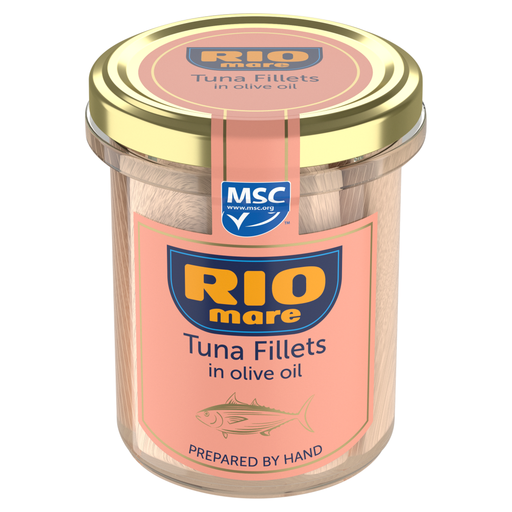 Image unavailable
Consider these fillets when you want visible pieces and olive oil in the finished dish. The product is a 180g glass jar; check its drained weight before deciding how many portions it will provide. It contains fish, so check the exact label and any ingredients you add for guests with allergies.
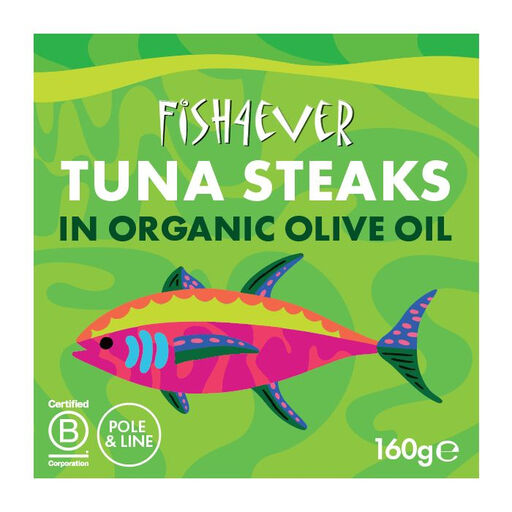 Image unavailable
This steak format is relevant when you want recognisable tuna pieces and olive oil in the dish. The 160g product is described as containing organic olive oil and sea salt. Check the drained weight for portions and the basis of any nutrition values before comparing it with another pack. It contains fish.
 Image unavailable
Consider this steak format if sunflower oil suits the salad or pasta you are making. The listed ingredients include sunflower oil and salt; check the drained weight for portion planning. The supplied product information says to consume it within 24 hours after opening. It contains fish.
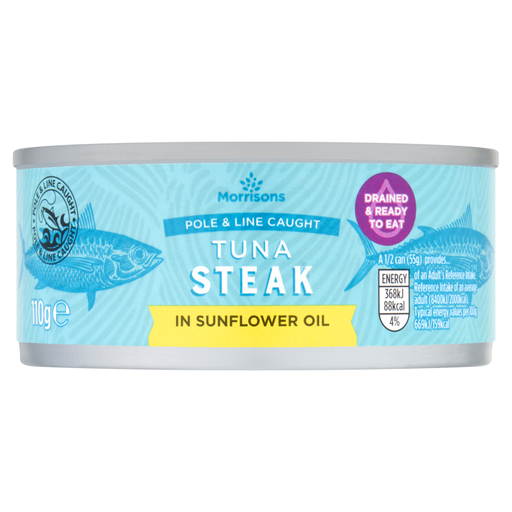 Image unavailable
This 110g tuna-steak product is an option for a dish using sunflower oil. The product wording differs on whether it is drained or no-drain, so check the exact pack format and drained weight before relying on it for quick plating or portion planning. It contains fish.
Check the current label on the exact tuna product and on any sauce or other ingredients you plan to add. Tinned tuna contains fish; do not rely on a recipe name or front-of-pack picture in place of ingredient and allergen information.
Follow the instructions on the exact pack. The cited Princes tuna steak in spring water instructs shoppers to empty, cover and refrigerate it after opening, then use it within two days; another product’s instructions may differ.
No. Check for the ecolabel on the exact pack you intend to buy; a certified variant does not establish the status of every product from the same brand.