Who is each format for?

Shoppers planning a cooked fish main

If tuna will be the main item on the plate, look at raw steaks or fillets and plan for chilled storage and cooking. Waitrose describes its yellowfin steaks as firm and meaty; M&S states that its cited yellowfin product contains raw fish and must be cooked.

Cooks adding fish alongside the roast

If you want tuna for a starter, salad or topping without preparing a raw fillet, a ready-to-use tinned format may suit the meal. Check the individual label: the ready-to-use instructions for one tin do not apply to every tinned product.

Shoppers comparing sourcing details

Look for the species and catching method on the exact product. The Marine Conservation Society identifies pole-and-line- or troll-caught skipjack or albacore as its preferred tuna choices; a brand name alone does not establish how a particular pack was sourced.

What should you check before choosing?

Fresh or chilled tuna steaks

Choose when: You want to cook tuna as the plated main course; the cited M&S yellowfin steaks are raw fish that must be cooked.

Allow for: Refrigeration and the product's use-by instructions. Waitrose says its cited chilled steaks were previously frozen and must not be refrozen after defrosting.

Tinned tuna steak

Choose when: You want tuna in a side dish, starter or topping rather than a raw fillet to cook as the main course.

Check first: Preparation instructions vary: the cited John West brine tin is ready to use, but a tinned product should not be assumed ready to eat solely because it is in a tin.

Priority What to check Your needs
Role in the meal Check whether the fish is raw or ready to use, and follow its cooking directions. A preserved tuna fillet is not the same format as a raw steak. I want to cook and plate tuna as the main, so I need a raw product intended for cooking. For a starter or topping, I would check for a ready-to-use format instead.
Packing liquid Check whether the exact tin contains spring water, brine or oil. Compare ingredients and nutrition using the stated per 100g basis, including whether values refer to drained fish. The packing liquid matters to my recipe, and I want the nutrition figures for the particular product I am buying.
Storage Check the use-by and refrigeration instructions for raw fish, or the after-opening instructions for preserved tuna. Check whether a chilled product was previously frozen before planning to freeze it. I need to buy the fish at a time that works for the meal and have a plan for any leftovers.
Sourcing Check the stated tuna species, catching method and any certification on the exact pack. The Marine Conservation Society notes that sustainability varies by species and fishing method. I want sourcing information specific enough to compare products, rather than relying on the word 'tuna' alone.
Dietary checks Check the allergen declaration and any warning about bones. For someone pregnant or trying for a baby, the NHS advises no more than four cans of tuna a week or two tuna steaks a week because of mercury. I need to account for a fish allergy, possible bones or applicable NHS tuna guidance when planning portions.

Common buying mistakes

  • Assuming a tinned 'tuna steak' is a raw fillet

    The same word can describe different formats. The cited fresh and chilled steaks are raw fish for cooking, while the cited John West brine tin is ready to use.

    Choose by the fish's intended role in the meal, then read the preparation instructions on the exact pack.

  • Treating packing liquids as interchangeable

    Princes lists tuna and spring water as ingredients for its cited steak product, while John West lists a sunflower-oil pot. Their nutrition panels also use product-specific figures.

    Check the liquid, ingredients and per 100g nutrition basis for the variant you intend to use.

  • Overlooking storage after opening

    The cited John West pot and brine tin instruct shoppers to refrigerate unused tuna and consume it within two days. Fresh or chilled products have their own refrigeration and use-by instructions.

    Plan portions around the instructions on your pack rather than assuming an opened product can be kept until the next roast.

  • Assuming all tuna has the same sourcing profile

    The Marine Conservation Society says tuna species and fishing methods differ in sustainability.

    Check species, catching method and any certification for the individual product instead of extending one product's claim across a brand.

Brand and retailer references

John West

John West offers no-drain tuna-steak pots and small tins for ready-to-use dishes.

  • Tesco describes its cited 3x110g pot as no-drain, resealable and ready to eat.
  • That pot's instructions say to replace the lid, refrigerate after opening and use within two days; it is not a raw fillet for cooking as a centrepiece.

Princes

Princes offers tuna-steak formats with different packing liquids.

  • Princes lists tuna and spring water as the ingredients of its cited spring-water steaks, with 23.5g protein per 100g drained.
  • Check the exact variant: ingredients and nutrition figures for a spring-water product do not describe oil- or brine-packed products.

Tesco

Tesco lists own-label tuna steaks alongside branded tinned formats.

  • Its tuna-steak category includes a Tesco 110g spring-water product as well as Princes and John West options.
  • Compare the individual listing and pack instructions; a category listing does not establish which format suits a cooked main.

Sainsbury's

Sainsbury's lists own-label tinned tuna and branded tuna-steak formats.

  • Its grocery category includes John West and Princes tuna-steak products.
  • Check the exact format and packing liquid rather than treating every tuna listing as a fresh steak or a ready-to-use tin.

M&S

M&S lists yellowfin tuna steaks for a cooked fish main.

  • M&S describes its cited yellowfin fillets as skinless and boneless, with a firm texture.
  • M&S states that this product contains raw fish, must be cooked and must be kept refrigerated at 0°C to +5°C.

Joybuy tuna options

These options include frozen steaks to prepare as a cooked main and preserved tuna for other parts of the meal. A jar labelled 'fillets' is still a preserved product, not a fresh raw fillet.
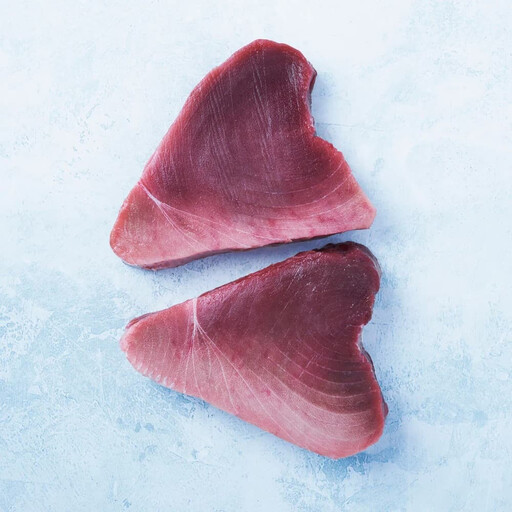
Super Frozen Tuna Steaks, two steaks, 260g

Super Frozen Tuna Steaks, 2 steaks, 260g

Frozen steaks are an option if you intend to prepare tuna as a cooked main rather than use a ready-to-eat accompaniment. Keep frozen at -18°C or colder, do not refreeze after thawing and follow the cooking instructions; the supplied product information says to use the steaks within 48 hours of thawing. Check the pack if crustaceans or molluscs are relevant allergens. Do not rely on 'sashimi grade' in the listing as assurance that the fish is suitable for eating raw.

Joybuy
Tropical Sun Tuna Steaks in Brine 160g

Tropical Sun Tuna Steaks in Brine 160g

This brine-packed option needs a different plan from ready-to-eat tinned tuna: its product information says cooking is required, so do not eat it raw. After opening, transfer unused contents to a covered container, refrigerate and consume within 24 hours. The supplied product information also says it is unsuitable for children under four because of its texture.

Joybuy
Tropical Sun Tuna Steaks in Sunflower Oil

Tropical Sun Tuna Steaks in Sunflower Oil

This ready-to-eat preserved tuna can be used as an addition to the meal, not as a raw fillet to cook for the centrepiece. The supplied product information says to transfer unused contents to a non-metallic container, cover, refrigerate and consume within 24 hours of opening.

Joybuy
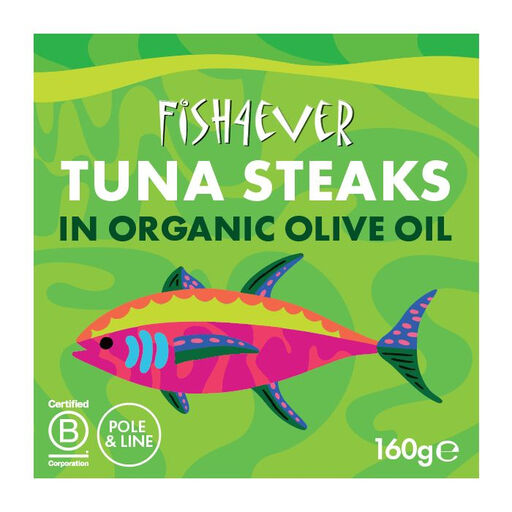
Fish4ever Tuna Steaks in Organic Olive Oil 160g

Fish4ever Tuna Steaks in Organic Olive Oil 160g

Olive-oil-packed tuna is an option for an accompanying dish rather than a fresh tuna main. Follow the pack's preparation directions; the supplied product information says to refrigerate after opening and consume within two days.

Joybuy
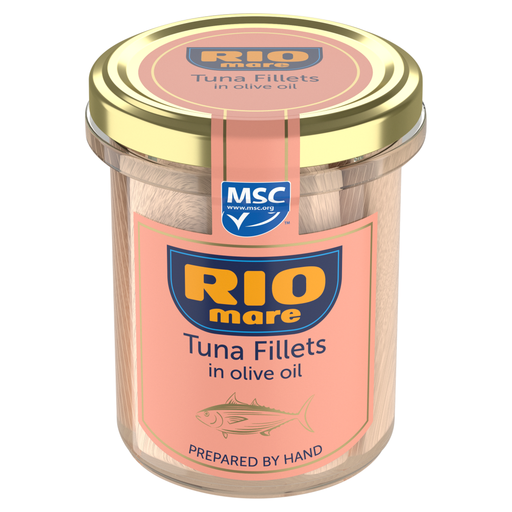
Rio Mare Tuna Fillets in Olive Oil, 180g glass jar

Rio Mare Tuna Fillets in Olive Oil Glass Jar 180g

These are olive-oil-packed fillets in a glass jar, not fresh raw fillets for cooking as the roast centrepiece. Check the jar for preparation and after-opening storage instructions when planning how to use it.

Joybuy

Questions about buying tuna

Can tinned tuna steak replace fresh fillets as the main part of a Sunday roast?

Not as a like-for-like raw fillet. The cited fresh and chilled tuna steaks are intended for cooking, while the cited ready-to-use tinned formats suit a starter, side or topping. Check the exact tin's preparation instructions, since tinned products do not all have the same directions.

What should I compare when choosing a tinned tuna packing liquid?

Check the exact product's ingredients and nutrition panel, including whether its per 100g figures are for drained fish. Princes lists 0.5g fat per 100g drained for its cited spring-water tuna steaks; that figure does not describe other packing liquids or brands.

How should I store opened tinned tuna steak?

Follow the instructions for your pack. Tesco's listing for the cited John West resealable pot says to replace the lid, refrigerate and use within two days; the cited John West brine tin also says to refrigerate unused tuna and consume it within two days.

What does the NHS advise about tuna during pregnancy?

For someone pregnant or trying for a baby, the NHS advises no more than four cans of tuna a week or two tuna steaks a week because tuna contains higher levels of mercury than other fish. Account for tuna already planned in other meals that week.

Which sourcing details should I look for on tuna?

Check the species and catching method stated for the individual product, along with any certification. The Marine Conservation Society identifies pole-and-line- or troll-caught skipjack or albacore as its preferred tuna choices and notes that sustainability varies by species and method.