Cooks who want visible tuna pieces
For a savoury bake with recognisable fish pieces, compare tinned tuna-steak formats. Check the recipe first: a tin labelled tuna steak does not contain a raw fillet.


If you mean a savoury biscuit-topped tuna bake, choose tinned tuna steak when you want recognisable pieces, or chunks when the fish will be stirred through a filling. If the recipe calls for raw fillets to cook, buy raw fish instead: tinned tuna is a preserved product, not a fresh-fillet substitute. For a canned filling, check the packing liquid, draining instructions and opened-pack storage guidance.
For a savoury bake with recognisable fish pieces, compare tinned tuna-steak formats. Check the recipe first: a tin labelled tuna steak does not contain a raw fillet.
When tuna will be stirred through sauce or other ingredients, chunks are another format to consider. The packing liquid matters if you are trying to control the filling’s consistency.
If the fish must be cooked as a fillet or steak, shop for raw fresh or frozen tuna rather than tinned tuna. Marks & Spencer identifies its yellowfin tuna steaks as raw fish that must be cooked.
Establish whether the recipe means a savoury prepared-tuna filling or fish to cook as a fillet. Then choose the canned format, liquid and pack size that suit the bake.
| Concern | What to check | Who this matters to |
|---|---|---|
| Raw fillet or tinned fish | Check whether the recipe requires raw fish to cook or prepared tuna for a filling. | If my recipe calls for a fillet to cook, a tin cannot meet that requirement. About 21% of consumers put the raw-fillet requirement first. |
| Size of tuna pieces | Look for tuna steak if recognisable pieces matter; consider chunks for a mixed filling. | I want the fish to remain visible beneath the biscuit topping, rather than disappear into the filling. Keeping recognisable pieces is the primary need for about 36% of consumers. |
| Liquid in the filling | Read whether the pack needs draining or is labelled drained or no-drain; note whether it contains spring water, brine or oil. | When I am making a sauce-based bake, I want control over the liquid added with the tuna. About 29% of consumers place moisture control first. |
| Pack size and leftovers | Match the quantity to the recipe and check the exact pack’s instructions for unused contents. | If the bake uses less than a full tin, I need a plan for the remainder. Managing portions and leftovers comes first for about 14% of consumers. |
Marks & Spencer lists tinned tuna steak as preserved fish, while its separate yellowfin tuna-steak product is raw and must be cooked. Those products call for different recipe preparation.
Check whether the recipe requires fish to be cooked as a fillet before choosing between raw and tinned tuna.
John West describes a no-drain tuna steak, and Princes has a drained, ready-to-use format. Those labels do not apply to every tin of tuna in spring water.
Read the format on the particular pack and adjust the recipe’s liquid if draining is needed.
Opened-pack guidance differs by product: Sainsbury’s tuna steak says to use refrigerated leftovers within one day, while Asda’s listing says they are best used within two days.
Choose a workable pack quantity and follow its own instructions for transferring and refrigerating unused tuna.
An opened pack that cannot be used within its stated period may leave you with unused fish.
Fish needs attention when checking ingredients for the whole bake. Asda’s tuna-steak listing also warns that bones may remain.
Check the current pack’s allergen information, then inspect and flake the tuna before mixing it into the filling.
A reference point for tuna-steak products labelled no-drain, including a spring-water fridge pot.
Relevant to a choice between conventional chunks in spring water and a separately listed drained tuna-steak format.
Its tinned-tuna listings include own-label steaks and chunks alongside branded formats.
Its own-label tuna steak in spring water is an example of a tinned, piece-led format.
Its 3 x 110g tuna-steak listing provides an own-label spring-water format to compare.
Its listings illustrate the distinction between tinned tuna steak and raw yellowfin tuna steaks.
These tinned chunks and steaks are options for a savoury prepared-tuna filling, with spring water, brine and sunflower oil represented. Choose raw fish instead if the recipe requires a fillet to cook.
 Image unavailable
Consider these chunks when tuna will be mixed through a savoury filling and you want a pack labelled no-drain. The pack contains three 100g portions; it is tinned tuna, not raw fish.
 Image unavailable
A 145g tin of chunks is an option when the tuna will be stirred into the filling. Check the amount your recipe needs and the pack’s directions for any leftovers; these chunks are not raw fillets.
 Image unavailable
The tinned steak format is worth considering when recognisable pieces matter in the bake. It is packed in sunflower oil rather than spring water, so account for the oil when preparing a sauce. It is not a raw tuna steak.
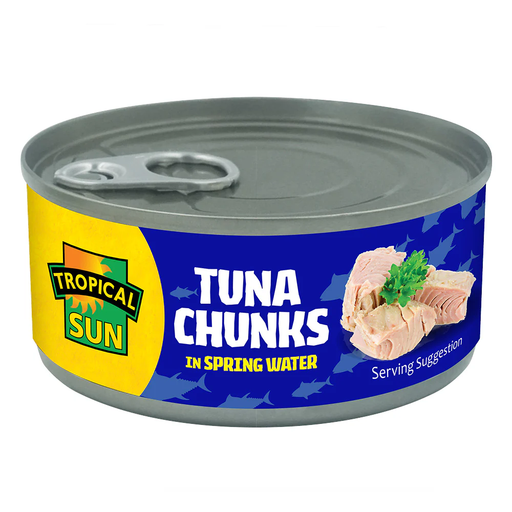 Image unavailable
These 160g tinned chunks suit a filling in which the tuna is mixed with other ingredients. Check the pack’s draining directions before adding it to a sauce, and use the current label for ingredient information.
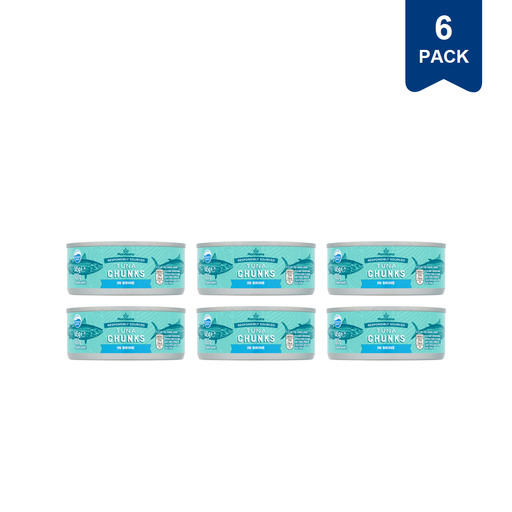 Image unavailable
For a mixed filling where spring water is not required, this six-pack contains 145g tins of chunks in brine. Plan how many tins the recipe needs and inspect the tuna as you flake it; the product information warns that bones may remain.
No. Tinned tuna steak is preserved fish, while Marks & Spencer identifies its separate yellowfin tuna steaks as raw fish that must be cooked. Follow the fish state and preparation method specified by your recipe.
Consider tinned steak when you want recognisable pieces, or chunks when the tuna will be stirred through a filling. Neither is a substitute for a recipe that requires a raw fillet to cook.
Follow the exact pack’s storage directions. Sainsbury’s tuna-steak listing says to transfer unused contents to a non-metallic container, refrigerate and use within one day; Asda’s listing says opened leftovers are best used within two days.
Check the fish allergen information on the exact tuna pack and the ingredients of the other parts of the recipe, including the biscuit topping and sauce. Use the current labels when preparing food for someone with an allergy.
No. Asda’s tuna-steak listing warns that bones may remain. Inspect and flake the fish before mixing it into the bake.