Move-in cupboard planners
If you are buying staples a few tins at a time, a single can lets you find out how often you use tuna before making room for a multipack. Check the drained weight as well as the size printed on the front.


Start with a single tin that fits the meal you plan to make: a 145g tin keeps the commitment small, while a larger tin makes more sense if you can use or refrigerate the remainder. Compare drained weight, packing liquid, salt and the opened-can instructions on the exact label; spring-water tins do not all have the same salt content, and a no-drain label addresses preparation rather than portion size.
If you are buying staples a few tins at a time, a single can lets you find out how often you use tuna before making room for a multipack. Check the drained weight as well as the size printed on the front.
If salt, fat or protein matters to your recipe choice, compare values on the exact tin rather than treating spring water, brine and oil as interchangeable. Tesco Groceries, ASDA Groceries and Sainsbury's list different values for the products considered here.
If draining a tin is awkward in a shared kitchen, a product explicitly labelled no-drain may suit your preparation routine. Check its portion and opened-can instructions too: less draining does not remove the need to handle leftovers.
Decide how much tuna you will use in a meal, then compare the packing liquid and what you will need to do after opening the tin.
| Concern | What to check | Who this matters to |
|---|---|---|
| One-tin commitment | Compare net and drained weights, and plan whether the contents fit one meal or need storing. | I am stocking a new cupboard and want to try one manageable tin before committing to more. About 40% of consumers put that single-tin flexibility first. |
| Packing liquid and nutrition | Read salt, fat, energy and protein values for the exact product, using the same per-100g basis when comparing tins. | For a simple meal, I want to choose the packing liquid and check the nutrition values that matter to me. Around 30% of consumers make that their primary concern. |
| Preparation and leftovers | Look for no-drain wording if useful, and read the tin's instructions for unused contents. | In a shared kitchen, I need a tin I can prepare easily and manage if I do not finish it. That is the main concern for about 30% of consumers. |
Sainsbury's lists 0.12g salt per 100g drained for its 145g spring-water tin; ASDA Groceries lists 0.90g per 100g drained for its 145g spring-water tin. The packing liquid alone does not establish the salt value.
Compare the nutrition panels on the particular tins you are considering.
Opened-can instructions differ. The researched Sainsbury's tin says to use refrigerated leftovers within one day; the researched Tesco, ASDA and M&S products give two days.
Choose a size that fits your meal, or transfer and refrigerate unused tuna as directed on its label.
Tuna left unused beyond the tin's stated storage period may have to be discarded.
Tesco Groceries lists 159kcal and 6.4g fat per 100g drained for its 145g sunflower-oil tuna, compared with 109kcal and 1.0g fat for its 145g brine tuna. Those figures describe these two products, not every tin packed in oil or brine.
Choose the packing liquid for the dish you intend to make, then compare the exact labels if nutrition values affect your choice.
The physical tin carries the instructions and declarations relevant to the product you will eat, including its ingredients and storage directions.
Before use, check its allergen declaration, best-before date, bone warning and opened-can instructions.
Tesco's researched 145g own-label tins offer a direct comparison between brine and sunflower oil.
The researched 145g spring-water tin is relevant when comparing salt values and labelled portions.
ASDA's researched 145g spring-water tin provides another specific recipe to compare with other single tins.
The researched 145g brine tin is an option to examine if avoiding a draining step matters in a shared kitchen.
Princes lists a 145g tuna-chunks-in-brine format for shoppers comparing named-brand single tins.
M&S lists a 160g spring-water tin for a meal that calls for a somewhat larger single can.
These Joybuy selections cover a 145g spring-water tin, a larger 160g spring-water tin and a 180g tuna tin in adobo-style sauce. Choose between them by the meal you intend to make, rather than treating the seasoned tin as a substitute for plain tuna.
 Image unavailable
Consider this single spring-water tin if you want plain tuna for a simple meal without opening a multipack. The stated pack size is 145g; check the can's drained weight and nutrition panel when comparing portions or salt with another product. If you leave some, follow its instructions for transferring and refrigerating the remainder.
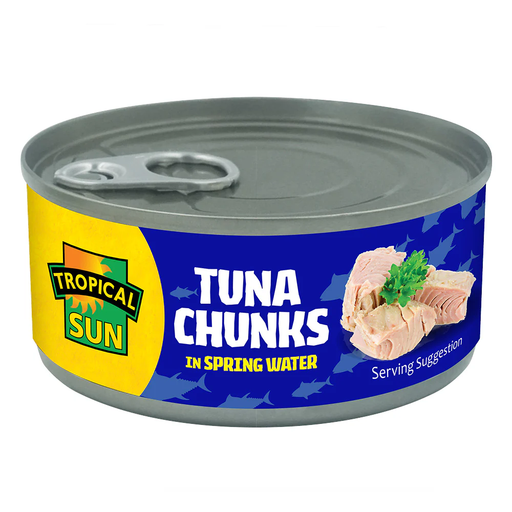 Image unavailable
Consider the 160g tin if a somewhat larger spring-water portion fits your planned meal. Its product description calls for draining before use; check the can for its drained weight and the basis of its nutrition values before comparing it with a 145g tin. Plan how you will refrigerate any remainder.
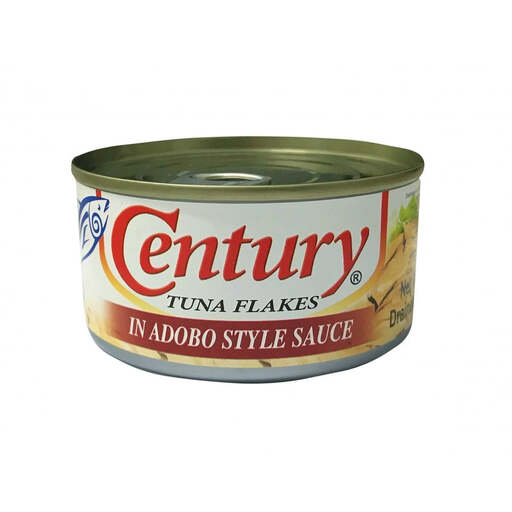 Image unavailable
Consider this 180g tin when you want seasoned tuna rather than a plain base to dress yourself. The adobo-style sauce makes it a different recipe from spring-water or brine tuna. Check the can's allergen declaration, and plan to follow its instructions if the meal will leave leftovers.
Not necessarily: Sainsbury's describes its researched 145g spring-water tin as containing two servings. Check the serving information and drained weight on your chosen can, then decide whether you will use it all in one meal or refrigerate the remainder.
Follow that tin's storage instructions and transfer unused contents rather than leaving them in the can. The researched Tesco, ASDA and M&S products instruct users to refrigerate transferred leftovers and use them within two days; the researched Sainsbury's tin gives one day.
Yes. Fish is an allergen, and the researched Tesco, ASDA and M&S product information warns that minor bones may remain. Check the physical can for its full allergen declaration and any bone warning, particularly when choosing a seasoned recipe with additional ingredients.