
24/7 Customer Support

Free returns

Same-day & Next-day Delivery

Quality Guaranteed

Unlock Your Welcome Offers: FREE Delivery | Up to 80% OFF | Free 30-day JoyPlus trial
Download the APP
Keeping a car clean in the UK can involve road salt, winter grime, bird deposits, tree sap, rainwater marks and muddy driveways. Turtle Wax car care products cover many of these jobs, but choosing the wrong formula can waste money or even create extra work.
The main buying traps are easy to overlook:
Start by matching the product to the material. Paintwork, glass, plastic trim, rubber, fabric upholstery and alloy wheels each have different requirements.
For example:
More cleaning power is not automatically more suitable for routine washing. Turtle Wax M.A.X Power Car Wash Shampoo offers three dilution levels: 100ml per 4-litre bucket for moderate cleaning, 200ml for heavier dirt and 300ml for the strongest stated cleaning level. This makes it important to follow the instructions rather than guessing the concentration.
For regular maintenance, a gentler car wash shampoo can help reduce unnecessary wear from aggressive scrubbing. Heavy deposits such as insects, brake dust, salt or tree sap may need a pre-wash treatment, such as an insect remover, before the main wash.
Check whether the product is designed for a bucket wash, waterless cleaning, wet-panel application, hand polishing or pressure-washer use. Also consider the surface temperature and weather.
A waterless car wash should not be used to wipe through thick, caked-on mud without rinsing first. Wax and sealants are generally easier to apply panel by panel, while aerosol removers should be used in a well-ventilated area and kept away from heat or flames.
For a pressure washer brush attachment, compatibility is essential. The Turtle Wax TWSB1 Rotary Brush and Turtle Wax Fixed Brush are specified for Turtle Wax TW110, TW120 and TW135 pressure washers. Confirm your machine model before ordering.
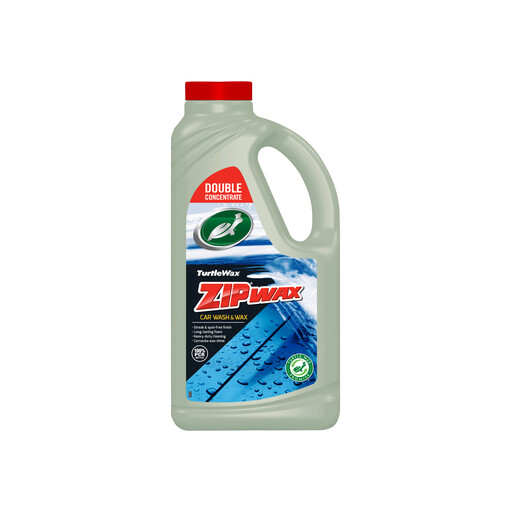
Why This Fits Their Persona: A practical starting point for UK drivers who want one concentrated product for routine exterior washing and a wax-enhanced finish.
Its double-concentrated format means buyers should measure the product rather than over-pouring, while the wash-and-wax design avoids buying separate products for basic cleaning and shine.
1L concentrated formula; combines washing with carnauba wax in one step.
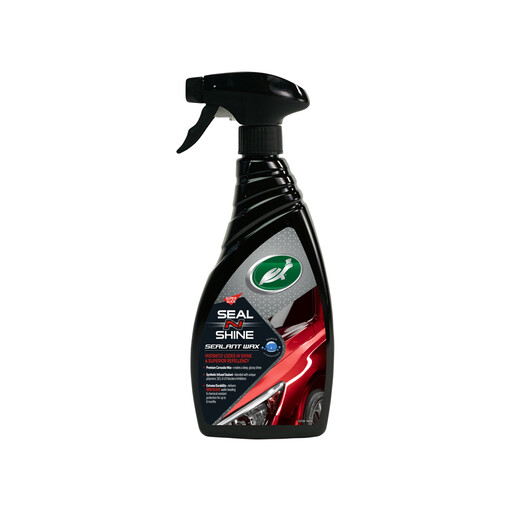
Why This Fits Their Persona: Suitable for drivers who already wash carefully and want a dedicated spray sealant for exterior slickness and water beading.
It is clearly positioned as a post-wash treatment, reducing the risk of expecting a sealant to remove heavy dirt or correct scratches.
500ml spray format; can be misted onto wet panels and rinsed with a firm stream of water.
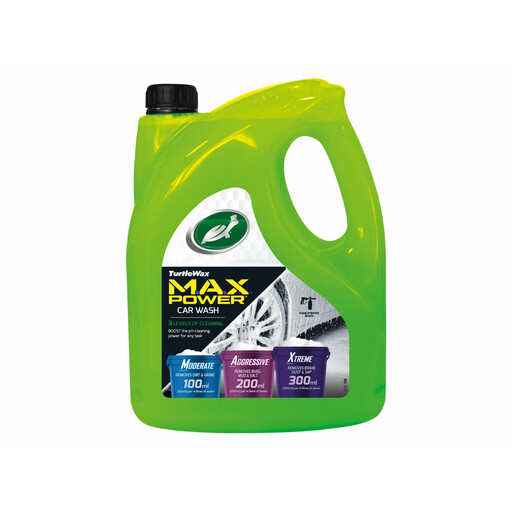
Why This Fits Their Persona: A sizeable option for frequent washers, households with several vehicles, caravans or users dealing with changing levels of road grime.
The three stated dilution levels make it easier to select a moderate, aggressive or extreme wash setting instead of using one unnecessarily strong mixture for every clean.
4-litre size; adjustable dilution for everyday dirt, bug splatter, salt and heavier deposits.
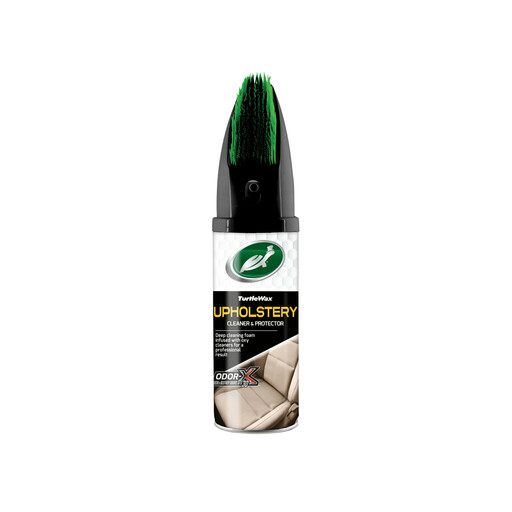
Why This Fits Their Persona: Useful for family cars, pet owners and anyone managing coffee, food, mud or everyday stains on fabric seats and carpets.
It combines stain cleaning with a protective step, but buyers should still test an inconspicuous area and follow the label for fabric compatibility.
400ml foam; semi-flexible bristles help lift dirt and catch lint or pet hair.
We have compiled a complete, real-time list of products that fully satisfy these strict selection criteria and UK safety regulations.
Many are designed for straightforward home use, including car wash shampoo, spray wax, interior cleaner and waterless wash products. Follow the label, use clean microfibre cloths and test unfamiliar formulas on a small area first.
Frequency depends on washing habits, weather exposure and the product instructions. A wash-and-wax shampoo can be used during routine cleaning, while a dedicated car wax or sealant is generally applied after the vehicle has been washed and dried, or as directed for wet-panel use.
No. Scratch remover and polish products are intended for light surface marks, swirls, scuffs or transfer. If a scratch catches your fingernail or exposes a different colour, repeated polishing may not resolve it; consider professional paint repair instead.