What matters when choosing?
Settle the display choice using the room’s light and seating, then check audio and installation on the exact TV model. A soundbar is a separate audio decision, not an alternative display type.
OLED
Consider it: When off-centre seats and dark stage scenes matter and you can control troublesome reflections. LG describes OLED’s self-lit pixels and wider viewing angles.
Allow for: Contrast does not make a screen reflection-free; assess the exact model in the light you normally use.
Mini LED or another bright-room display
Consider it: When windows or dining lights are the main picture concern. Samsung describes its Neo QLED Mini LED approach as providing finer light control and higher brightness.
Allow for: Check the individual model’s reflection treatment and its picture from side seats; a technology name does not establish either result.
| Concern | What to check | Who this matters to |
|---|
| Vocals and audio connections |
Listen for vocal clarity; confirm the recording source and the exact TV’s connection to your intended soundbar or receiver. |
If voices get lost amid orchestral passages or kitchen noise, I want a workable route to clearer sound. Around 42% of consumers would put vocals and audio connections first. |
| Reflections and side-seat viewing |
Inspect the screen with windows and lamps in view, including from the usual dining chairs; check its model-specific reflection treatment. |
When I watch in daylight or from the side of the table, I need to follow the stage and read subtitles without distracting reflections. For around 33% of consumers, picture visibility is the primary concern. |
| Screen fit and placement |
Measure viewing distance and full TV dimensions; if wall-mounting, confirm the wall, bracket and cable route. |
With limited wall space or a short distance to the table, I need a screen that fits without putting electrics near water or cooking heat. Fit and safe placement would come first for around 25% of consumers. |
Joybuy TVs to consider
These OLED and Mini LED TVs offer different starting points for a kitchen-diner setup. Compare each size with your seating distance, then check reflections, recording playback and audio connections on the particular model.
 No image available
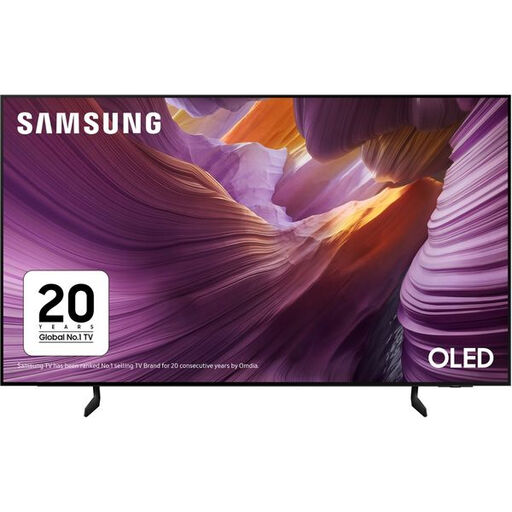
Samsung QE65S85FAE 65-inch 4K Smart TV
Consider this size if it works from your dining seats; check the screen under your usual lighting and confirm audio connections before choosing.
The product name specifies a 65-inch 4K Smart TV with Wi-Fi.
Joybuy
 No image available
Hisense 55U7QTUK Pro 55-inch Mini LED 4K TV
Consider the 55-inch format where a larger screen would crowd the planned position. Assess reflections there and confirm the connections if you intend to add a soundbar.
The product name identifies Mini LED, HDR, VIDAA OS and a built-in subwoofer; those features do not establish vocal clarity in your room.
Joybuy
 No image available
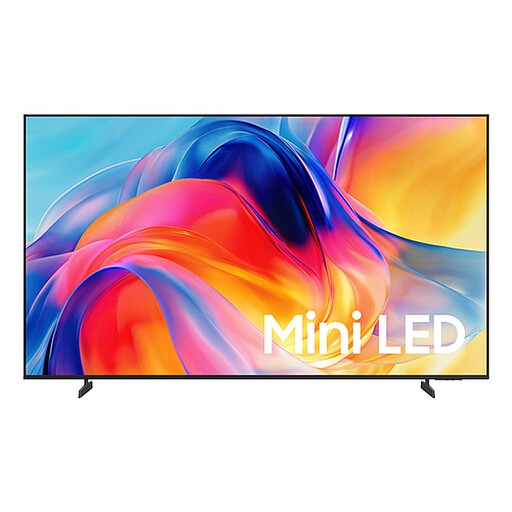
Samsung TU65M70H (2026) 65-inch Mini LED 4K TV
This is another 65-inch Mini LED option to compare against your viewing distance and planned screen position. Inspect reflections with the room lights on and check the intended audio setup.
The product name identifies a 4K Smart TV; it does not by itself establish bright-room performance.
Joybuy
 No image available
TCL 65Q7C 65-inch QD-Mini LED 4K TV
Consider it if a 65-inch screen fits the table-to-TV distance, while checking glare and side-seat viewing in the intended position.
The product name lists HDR, Google TV, a 144Hz native refresh rate and up to 2048 local-dimming zones. The stated zone limit is not a measurement of how opera recordings will look.
Joybuy
 No image available
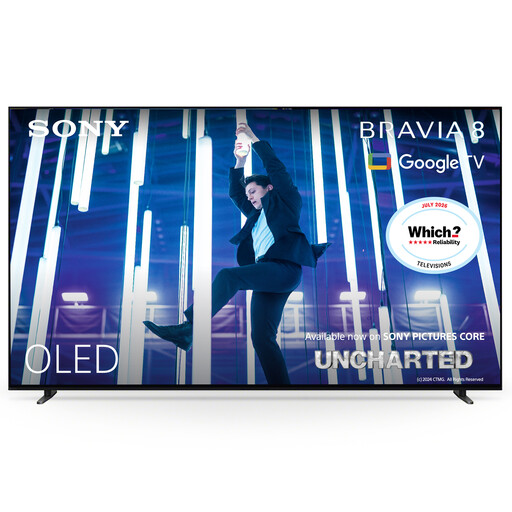
Sony BRAVIA 8 K55XR80BP 55-inch OLED 4K TV
Consider this OLED format for viewing from several seats if the 55-inch size fits; assess screen reflections and the vocal presentation in your room.
The product name lists HDR, Google TV, Dolby Vision and Dolby Atmos. Check the exact model’s connections before planning an external-audio system.
Joybuy
Frequently asked questions
Do opera recordings require a TV Licence?
The viewing method determines whether you need one, not the fact that you own a TV. TV Licensing says a licence is required for live TV and for BBC iPlayer, including its on-demand programmes; other on-demand viewing without live TV is treated differently. Check the service you will use if your recordings are streamed rather than played locally.
What screen size should I try from the dining table?
Start by measuring from your normal seat to the proposed screen position, then check comfort and subtitle readability from the other regular seats. TCL’s cinema-viewing guide lists 1.68 m for 55 inches and 1.98 m for 65 inches as reference distances, not requirements for your room.
Can I wall-mount a TV in a kitchen-diner?
Possibly, if the wall, mount and exact TV are suitable and the final position keeps electrics away from water and hot surfaces. LG notes that wall type and installation conditions can restrict mounting; confirm the TV’s weight and mounting pattern and seek professional installation if the structure is uncertain.
How should I dispose of an old TV in the UK?
Check a reuse option, retailer take-back arrangement or your local authority’s electrical-waste collection route rather than putting the TV in ordinary household waste. GOV.UK identifies the Waste Electrical and Electronic Equipment Regulations 2013, as amended, as the framework supporting recovery, reuse and recycling; available collection arrangements vary.


