What matters when choosing?
Settle the screen size and placement first, then judge motion and reflections under the conditions in which you normally watch. A compact OLED is worth comparing when lighting is controllable; a glare-treated Mini LED model is worth comparing when reflections are the stronger concern. Neither technology label settles the choice on its own.
| Concern |
What to check |
Who this matters to |
| Size and room fit |
Measure the usual viewing distance, available width and stand space. Which? suggests around 2.5 metres for a 40–43-inch TV and 3.4–3.7 metres for a 55-inch TV; use those distances as guidance, not fixed limits. |
If I sit close to the screen, I want to follow the whole formation without squeezing an oversized set onto my furniture. Around 42% of consumers put room fit first. |
| Fast movement |
Compare the exact model’s stated panel refresh rate and motion controls, then assess fast-moving footage if possible. A gaming-related maximum is not a measure of live-broadcast motion. |
When dancers spin or the camera pans, I want to keep track of footwork without motion processing that looks unnatural to me; roughly 33% of consumers prioritise motion clarity. |
| Reflections and contrast |
Check where windows and lamps appear on the screen. Compare reflection treatment for brighter viewing or the exact model’s contrast characteristics when lighting can be controlled. |
If room light distracts me from darker costumes and stage scenes, I need to judge the picture in my usual lighting; about 25% of consumers put reflections or contrast first. |
Joybuy TVs for this scenario
These 40–43-inch TVs are options to compare after measuring your seating distance and available space. Their listed display and smart-TV features differ; check the exact model’s motion controls and how its screen looks in your room before treating any one feature as decisive.
 No image available
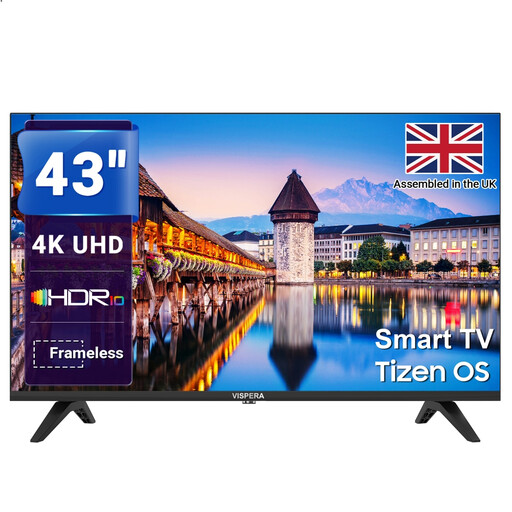
VISPERA TI43ULTRA 43-inch 4K HDR Tizen TV
Consider this 43-inch option if that size suits your viewing distance and furniture. Its name specifies a Direct LED screen, 4K, HDR, Tizen OS and Dolby Audio; check the exact dimensions and motion controls for your setup.
View on Joybuy
 No image available
Sony BRAVIA A90 XR42A90K 42-inch OLED 4K TV
This 42-inch OLED is an option to assess if you normally watch with controllable room lighting. The name also specifies HDR and Google TV; check its footprint, reflections and motion settings rather than assuming its display type settles those questions.
View on Joybuy
 No image available
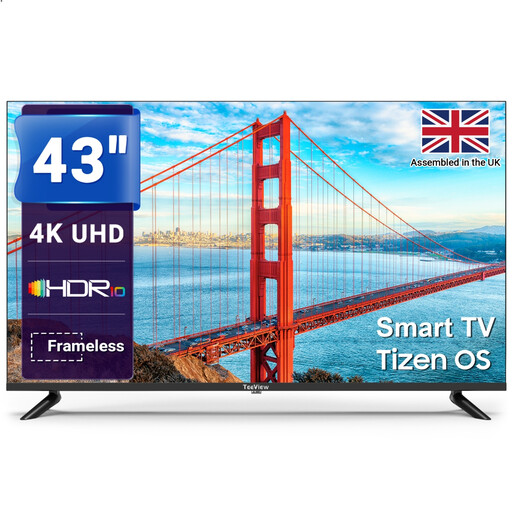
TeeView TV43QUT-UK 43-inch 4K Tizen TV
Compare this 43-inch option if its size works with your seat and TV unit. Its name specifies 4K UHD and Tizen OS; confirm the physical footprint and assess motion handling if quick choreography is a priority.
View on Joybuy
 No image available
TCL 43V6C 43-inch 4K Google TV
This is another 43-inch option to measure against a small-room layout. Its name specifies Direct LED, HDR and Google TV; the advertised 120Hz Game Accelerator is qualified as FHD, so do not treat it as a stated native 4K refresh rate or a live-broadcast result.
View on Joybuy
 No image available
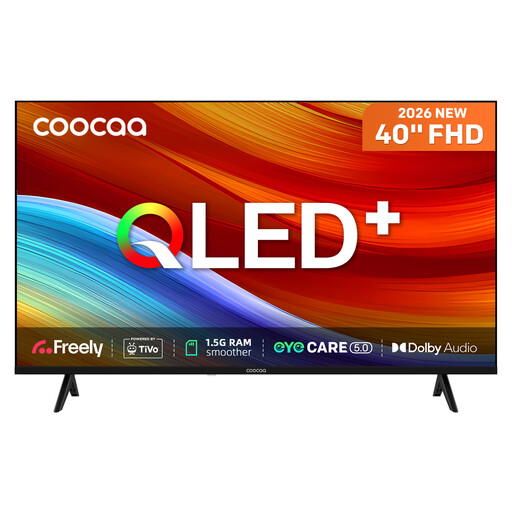
Coocaa 40CTQH38ZUK 40-inch Full HD QLED TV
Consider this 40-inch model if a smaller screen better suits your space. Its name specifies Full HD, QLED, HDR10, Freely and TiVo; check viewing distance, reflections and motion controls before deciding how it fits dance viewing.
View on Joybuy
Frequently asked questions
What size TV should I consider for a small living room?
Start by measuring from your usual seat to the screen and checking the TV unit or wall space. Which? suggests around 2.5 metres for a 40–43-inch TV, 2.7–3 metres for 48–50 inches and 3.4–3.7 metres for 55 inches; these are starting points, not mandatory limits, and the exact TV’s width and stand also need to fit.
Do I need a 120Hz TV for a dance competition?
Not necessarily: a stated 120Hz panel rate is one model specification to compare, not a guarantee that every live broadcast will look better to you. Check the exact TV’s motion controls and judge fast movement with the settings you would actually use.
Is OLED or Mini LED more suitable for dance viewing?
The more useful comparison depends on your room lighting: investigate reflection treatment if windows or lamps catch the screen, and compare OLED contrast if you can control the light. Samsung describes Glare Free treatment on the 43-inch QN90F, while LG describes pixel-level black levels for its cited C5E; check the exact size and model rather than extending either manufacturer claim to every TV using that technology.
Do I need a TV Licence to watch a dance competition live in the UK?
Yes, TV Licensing says a licence is required to watch or record programmes as they are shown live on any TV channel or streaming service. Its guidance also says a licence is required for BBC iPlayer, including on-demand viewing there; check the current rules for the service and viewing method you plan to use.


