Hosts with seats spread across the room
If guests watch from a sofa, dining table and side chairs, the picture needs to remain usable away from the centre. RTINGS identifies viewing angle as particularly important for wide seating arrangements.


For a large group watching cookery shows, check how the picture looks from the side seats before choosing by screen size or headline brightness. Match the screen to the main seating distance and available space, then assess reflections in the room: an OLED or Mini LED/LCD TV may suit, but viewing angle and glare control need checking on the exact model.
If guests watch from a sofa, dining table and side chairs, the picture needs to remain usable away from the centre. RTINGS identifies viewing angle as particularly important for wide seating arrangements.
Windows and lamps can reflect in the screen during a cooking demonstration. Compare reflection handling on the exact TV rather than relying on its display-technology label.
Choose a screen size with the main seating distance in mind, then check whether the TV, stand or wall mount fits the intended position and delivery route.
Begin with the view from the side seats, then choose a screen size for the room. If daylight is a regular part of viewing, weigh reflection handling alongside those checks rather than assuming OLED or Mini LED/LCD settles the choice.
| Concern | What to check | Who this matters to |
|---|---|---|
| Side-seat picture | Find an exact-model viewing-angle test or specification; assess the picture from the furthest side seat if possible. | When guests sit well off-centre, I want them to see the food and preparation clearly rather than a noticeably shifted picture. Around 31% of consumers put side-seat picture consistency first. |
| Screen size and fit | Measure the main viewing distance and available space; check the stand footprint or mounting pattern. | If several people watch from across the room, I need a screen they can follow that still fits its planned position. Screen scale and installation fit come first for around 31% of consumers. |
| Daylight and reflections | Note where windows and lamps face the TV; compare reflection treatment for the exact model. | With daylight on the screen, I do not want reflections to obscure what the presenter is doing. Roughly 25% of consumers make bright-room visibility their primary concern. |
| Sound and connections | Check the connections needed for the planned soundbar and other devices, including HDMI ARC or eARC where relevant. | To follow spoken instructions while others are in the room, I need a sound setup that works with my existing devices. For around 13% of consumers, sound and connections take priority. |
A large picture does not resolve poor off-centre viewing for guests seated at the sides. RTINGS identifies viewing angle as an important check for a wide seating arrangement.
Compare the exact model’s viewing-angle test or specification before settling on a size.
OLED, QLED and Mini LED names do not tell you where a window or lamp will appear in your room’s screen. Manufacturers describe reflection features on particular models, not every TV using a technology.
Identify the light sources facing the planned position, check the exact screen treatment and consider whether moving a lamp or using a blind would help.
A TV can have a suitable screen size but an unsuitable stand footprint, mounting pattern or delivery size.
Check the exact model’s overall dimensions, stand, weight, VESA mounting pattern and packaged dimensions against the furniture, wall mount and route into the room.
Changing the planned installation may also mean arranging different furniture or mounting hardware.
A replacement TV also leaves an electrical item to deal with.
When buying a replacement, ask about like-for-like take-back. GOV.UK states that a retailer must accept the old electrical product free of charge on that basis.
Consider LG OLED models when side-seat viewing is a priority, while checking reflections on the particular screen.
Samsung’s QN90F line is a Mini LED route to examine for a bright room.
A model-specific LCD option to examine when the room is both bright and widely seated.
TCL offers Mini LED models to compare when considering a larger screen for group viewing.
These 65-inch and 75-inch TVs are options to assess against your seating distance and available space. For group viewing, check each exact model’s side-seat picture and reflection handling before choosing by screen size or display type.
 No image available
Consider its 75-inch screen if the main viewing distance and installation space suit that size.
The listing names QD-Mini LED, 4K HDR and Google TV. Its wider-angle panel description is a product claim; check side-seat viewing, reflections and mounting dimensions for this model.
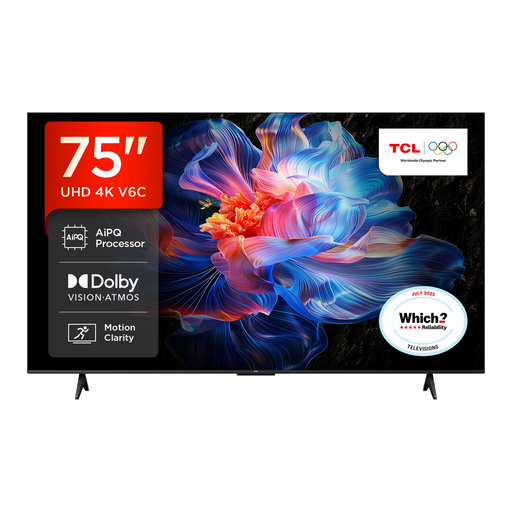 No image available
This 75-inch option calls for a seating-distance and room-fit check before ordering.
The title lists Direct LED, 4K HDR and Google TV. Check an exact-model viewing-angle result, reflection handling and installation dimensions rather than relying on the claimed wider-angle panel.
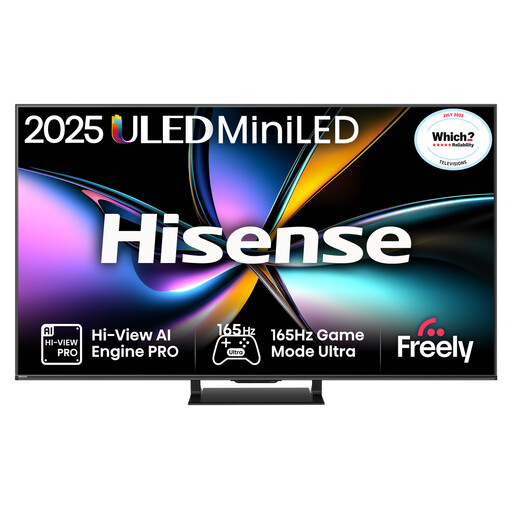 No image available
Consider the 65-inch size if it fits the main viewing distance and planned position.
The supplied specification lists a 178° viewing angle, but that figure does not confirm picture consistency from the side seats. Check an exact-model test, reflection handling and installation measurements.
 No image available
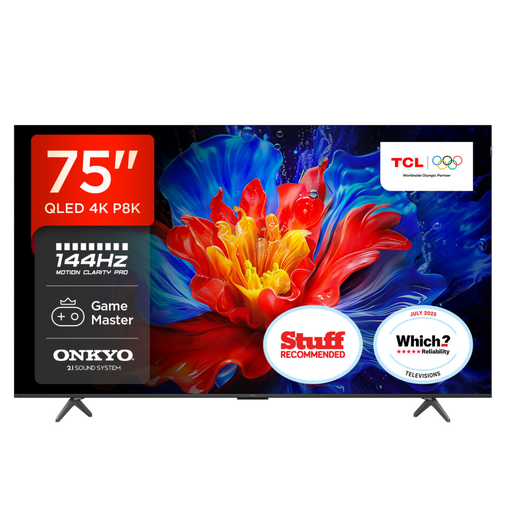
Its 75-inch screen is worth considering where the main viewing distance and available space accommodate it.
The title lists QLED, 4K HDR Pro and Google TV. Check exact-model side-seat viewing and reflections, as well as the stand dimensions and delivery route.
 No image available
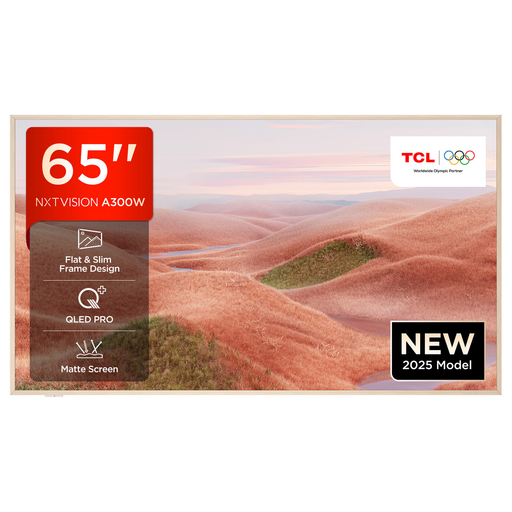
The 65-inch size offers another option to compare with your seating distance and room layout.
The title mentions a matte anti-glare screen, while the detailed description presents that treatment as an option. Confirm which screen the supplied variant has, then check its viewing angle and installation dimensions.
Measure from the main seating position to the proposed screen position, then check whether the TV and its stand or mount fit the room. Which? advises choosing screen size with viewing distance in mind; use its guidance as a starting point rather than assuming one diagonal suits every layout.
People seated to the sides may see a different-looking picture from those directly in front. RTINGS identifies wide viewing angles as important for a wide seating arrangement, so look for evidence about the exact TV from the seats your group will use.
No: choose by the exact model’s side-seat picture and how it handles light in your room. RTINGS found a wide viewing angle on the LG G5 OLED, while Sony and Samsung describe wide-angle or glare-control features on particular LCD models; none of those model-specific findings settles the choice for every TV.
Ask the retailer about like-for-like take-back when buying the replacement. GOV.UK states that a retailer must accept an old electrical product free of charge on that basis when you buy a new one.