Hosts with seats spread across the room
If people will sit well to either side of the screen, picture consistency away from the centre matters. Which? advises groups in wide living rooms to check viewing-angle ratings.


For a cycling race watched from seats spread across the room, check the picture from the side before choosing on screen size alone. LG identifies wide viewing angles as a feature of its OLED range; an LCD-based TV is also worth considering for a bright room when the exact model specifies both wide-angle viewing and reflection control. Match the screen to the furthest regular seat, then check the chosen model’s glare and fast-action performance.
If people will sit well to either side of the screen, picture consistency away from the centre matters. Which? advises groups in wide living rooms to check viewing-angle ratings.
Windows and lamps can leave visible reflections during a daytime stage. These viewers need to consider the screen’s position in the room as well as any reflection-control feature on the exact TV.
When some viewers sit well back, screen size deserves attention alongside side-seat visibility. Measure from the furthest seat regularly used for viewing, not just the main sofa.
Consider when: Viewers will sit across a wide arc and side-seat picture consistency is the main priority. LG describes wide viewing angles for its OLED range.
Check: A wide viewing angle does not settle how reflections will look in a room with bright windows or lamps.
Consider when: The room is bright and the exact model lists both wide-angle viewing and reflection control; Samsung lists that combination for its QN90D.
Check: Neither feature follows automatically from the Mini LED or Neo QLED name.
Consider when: Most viewers can sit near the centre and the distance to the furthest seat drives the size decision.
Accept: A larger diagonal alone does not establish a consistent picture for viewers far to the side.
| Concern | What to check | Who this matters to |
|---|---|---|
| Side-seat picture | Look for an exact-model wide-angle specification or an independent viewing-angle assessment. | If friends will sit well off-centre, I want them to see a consistent picture rather than choosing solely for the centre seat. Around 33% of consumers put side-seat picture consistency first. |
| Size for distant seats | Measure the distance to the furthest regular seat, then check the TV’s dimensions and stand or mounting arrangement. | When some of the group sit at the back of the room, I need a screen size that works from their seats. For around 27% of consumers, that distance is the primary concern. |
| Reflections | Note windows and lamps opposite the screen; check the exact model for anti-reflection or anti-glare features. | I usually watch daytime stages with light entering the room, so visible reflections could distract me from the race. Glare control comes first for around 20% of consumers. |
| Fast-action motion | Seek exact-model testing of fast-action stability; do not rely on an advertised refresh figure alone. | During rapid camera pans, I want to follow the riders and road without distracting motion artefacts. Around 20% of consumers make motion handling their leading concern. |
A larger screen can help distant viewers without resolving picture changes for people seated to the side.
Check viewing-angle performance for the proposed seating layout, then measure which screen size fits the room and installation plan.
Reflection treatments differ between models. Samsung also distinguishes anti-reflection treatment from anti-glare treatment.
Check the chosen model’s stated screen features and consider where windows and lamps sit relative to it.
An advertised refresh capability does not by itself describe how stable fast broadcast action will look. Which? includes fast-action motion stability in its TV picture testing.
Consult an assessment of the exact model’s fast-action performance where available.
GOV.UK states that a TV Licence is required to watch or record live TV on any channel or service in the UK.
Before watching a live race broadcast, check whether the address is covered by a valid TV Licence.
LG’s OLED range is relevant when a group will watch from seats spread across the room.
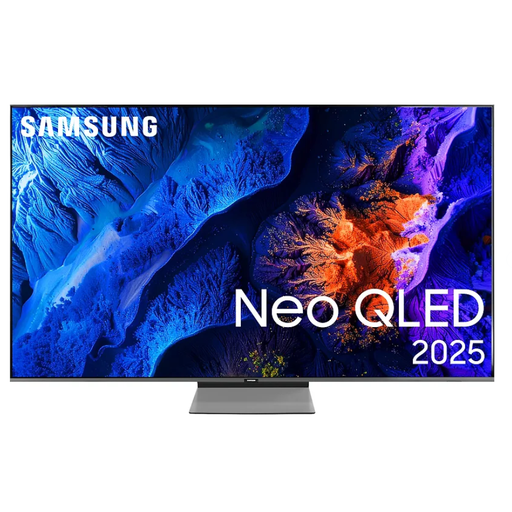
Selected Neo QLED models combine features relevant to side seating and bright rooms.
Selected Sony TVs list X-Wide Angle and X-Anti Reflection for side-seat and reflection considerations.
These OLED, Neo QLED and Mini LED TV choices offer different screen sizes for a shared viewing room. Compare each one with your side-seat layout and furthest viewing distance; for a bright room, check reflection handling on the exact model before deciding.
 No image available
Consider its 83-inch screen where viewers sit farther back, provided the size suits the room. Check reflections for the planned screen position and seek exact-model motion testing if fast-action clarity is decisive.
 No image available
This 55-inch option is worth assessing where the furthest seat is not the only priority. Check viewing-angle and reflection performance for this exact model, rather than transferring features from another Neo QLED TV.
 No image available
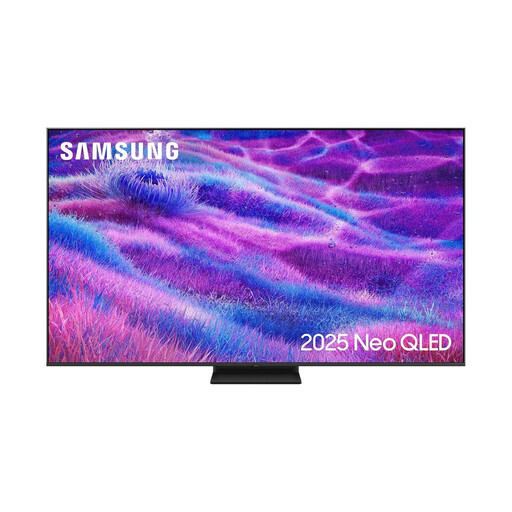
The 75-inch diagonal gives distant viewers a larger screen to consider. Measure the seating distance and installation space, then check side-seat picture and reflection handling on the exact model.
 No image available
Consider this 55-inch model if it fits the distance to your group’s regular seats. Its Game Mode wording is not a test of live cycling footage; assess side-seat picture, reflections and broadcast motion separately.
 No image available
The 75-inch screen may suit a group with seats farther back; measure the room and installation space first. Its listed 144 Hz native refresh rate does not establish how live race coverage will look, so check exact-model motion, side-seat and reflection performance.
No: LG describes wide viewing angles for its OLED range, but seating layout and room reflections also affect the choice. In a bright room, compare the exact OLED and Mini LED or Neo QLED models for stated reflection-control features rather than relying on their panel labels.
Measure the distance to the furthest regular seat, the intended screen location, stand or wall-mount space and delivery route. Check the exact TV’s viewing-angle and reflection features too: a larger diagonal does not establish picture quality from side seats.
Yes, if you watch or record live TV on any channel or service, GOV.UK says you need a TV Licence. Check whether the address is already covered before watching live coverage, whether it is on a TV or another device.
The appropriate remedy depends on the circumstances. Under the Consumer Rights Act 2015, where a consumer has the right to a repair or replacement, the trader must provide it within a reasonable time and without significant inconvenience, and bear the necessary costs; this is distinct from a retailer’s change-of-mind returns policy.