What matters when choosing?
Start with the view from your normal seat, then consider reflected light and the practical setup for your lecture source. The display routes below address different priorities; the features still need confirming on the exact model and size.
OLED with a stated wide viewing angle
Consider when: The main viewing position is substantially off-centre. LG UK describes wide-angle viewing for OLED, and its OLED65G16LA specification lists Wide Viewing Angle as a feature.
Bear in mind: That does not establish reflection handling, connections or installation details for every OLED model.
Mini LED or Neo QLED with both named features
Consider when: The side seat also faces troublesome window or lamp reflections. Samsung UK describes Ultra Viewing Angle and an Anti-Reflection Screen for its QN90D.
Bear in mind: Check that both features apply to the exact model and screen size; they cannot be assumed across the range.
Full Array LED
Consider when: The seat is only moderately off-centre and contrast across bright and dark scenes matters for other viewing too. Sony UK describes zoned backlight control for its X90L series.
Bear in mind: Sony’s cited X90L information does not establish wide-angle viewing; assess a strongly side-on seat separately.
| Concern |
What to check |
Who this matters to |
| Off-centre picture |
Look for a stated wide-viewing-angle feature on the exact model and size; assess the picture from your seat if possible. |
When slides and map labels need to remain usable from my usual side seat, viewing angle comes before other picture features. Around 50% of consumers put off-centre picture consistency first. |
| Reflections |
Check for a stated anti-reflection feature and consider where windows and lamps appear in the screen. |
If daylight falls across the panel, I need to follow captions without a reflection covering them. For around 30% of consumers, controlling reflections is the primary concern. |
| Lecture setup |
Confirm the source connection, resolution, audio arrangements and physical fit; compare the energy label and product information sheet. |
I need my lecture source to connect and the TV to fit where it will be used. Making that setup work is the first priority for around 20% of consumers. |
Joybuy TVs for this viewing setup
These TVs offer different screen sizes and stated display features to consider for a side-seat lecture setup. Check the view from your intended seat and any room-light reflections before treating a listed feature as a good fit.
 No image available
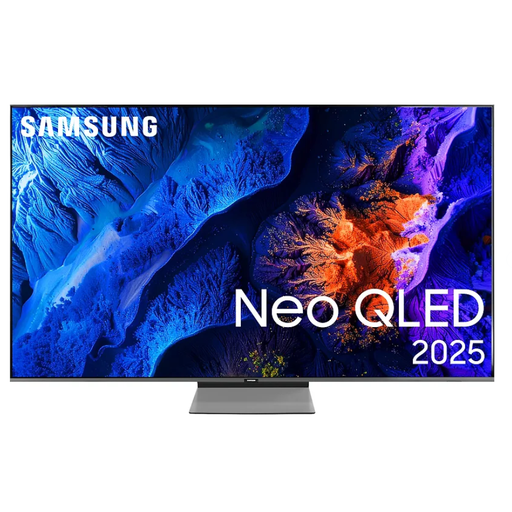
Samsung Neo QE55QN85FAUXXH 55-inch 4K Smart TV
Consider this size if a 55-inch screen suits your space; confirm how the picture looks from your side seat and whether you need reflection control.
The product name specifies 4K Ultra HD and Wi-Fi. Check the exact dimensions and mounting arrangement for your room.
View on Joybuy
 No image available
Samsung QE75QN80FAU 75-inch 4K Smart TV
If you are considering a larger screen for lecture slides, check both its fit in the room and the picture from your off-centre seat.
The product name specifies a 75-inch 4K Ultra HD TV with Wi-Fi. Confirm any reflection-control feature you require on this exact model.
View on Joybuy
 No image available
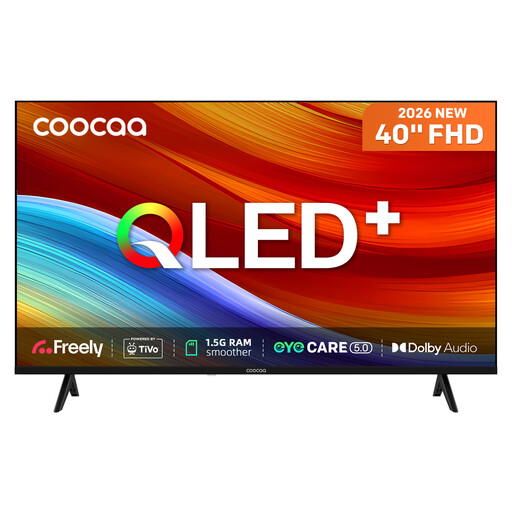
Coocaa 40CTQH38ZUK 40-inch Full HD QLED TV
This 40-inch option may suit a space where a larger TV would not fit, but assess small slide text and maps at your actual viewing distance and angle.
The product name specifies Full HD, HDR10, Dolby Audio, Freely and TiVo. Full HD is not the same resolution as 4K.
View on Joybuy
 No image available
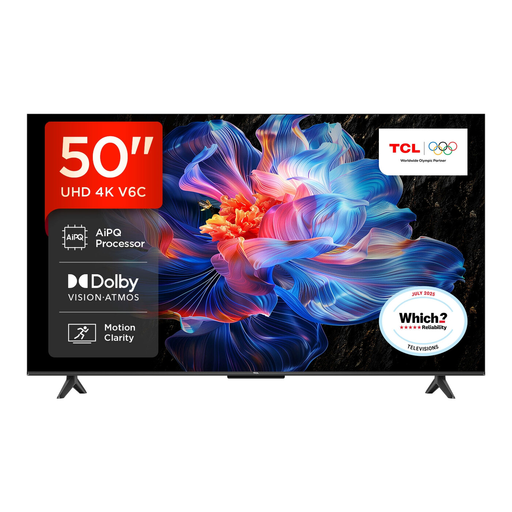
TCL 50V6C 50-inch 4K Google TV
For a 50-inch lecture screen, assess caption and map legibility from your side seat rather than relying on resolution alone.
The product name specifies Direct LED, 4K, HDR and Google TV. Check viewing-angle and reflection information for this exact size if either affects your room.
View on Joybuy
 No image available
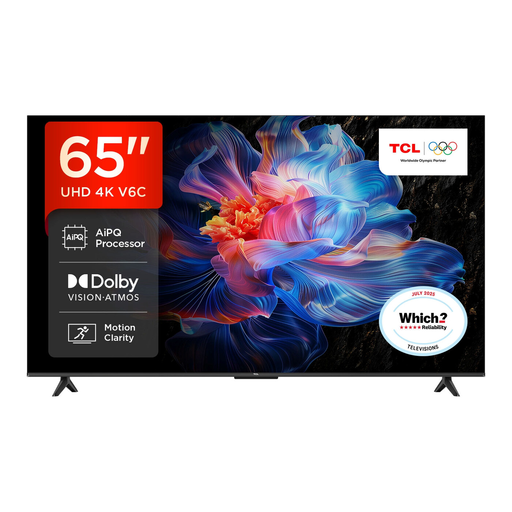
TCL 65V6C 65-inch 4K Google TV
If you are considering the 65-inch V6C, check its dimensions and whether its picture remains usable from the intended side seat.
The product name specifies Direct LED, 4K, HDR and Google TV. Confirm reflection handling for this size if you watch with windows or lamps facing the screen.
View on Joybuy
Frequently asked questions
Is 4K enough for a history lecture viewed from the side?
No: 4K states the screen’s resolution, not how its picture holds up away from the centre. Check a viewing-angle feature on the exact TV and size, particularly if small captions or map labels matter.
When does anti-reflection treatment matter?
It is worth checking when windows or room lights appear in the screen during lectures. For a side seat, confirm the same model and size also has the viewing-angle feature you need; Samsung UK describes both features for its QN90D, subject to its size qualification.
How should I compare electricity-use information for UK TVs?
Compare the TVs’ energy labels and product information sheets rather than panel names alone. UK Government guidance states that products within the energy-labelling rules must display an energy label at the point of sale, including online, and be accompanied by a product information sheet.
Do I need a TV Licence for an on-demand history lecture?
An on-demand lecture does not by itself determine the answer: in the UK, GOV.UK says a TV Licence is required to watch or record programmes as they are broadcast and to watch on-demand BBC programmes on iPlayer. Check the service and whether your household also watches live TV before deciding what applies.


