What matters when choosing?
Start with the picture from your side seat, then assess reflections under your usual lighting. Treat programme access as a separate check on the exact TV.
OLED TV
Consider when: Off-centre picture consistency is your main concern and reflections are manageable.
Check: LG describes wide viewing angles for its self-lighting OLED pixels, but the exact TV still needs assessing in your room’s lighting.
Neo QLED or Mini LED TV
Consider when: Your angled seat also faces distracting daylight or lighting reflections.
Check: Samsung identifies glare-control features on selected models; confirm both reflection handling and side-view performance for the exact size you want.
Conventional LED/LCD TV
Consider when: A secondary-screen role matters more to you than preserving the picture from a wide range of seats.
Check: RTINGS.com explains that LCD viewing-angle behaviour varies by panel type, so judge the particular TV from your intended seat.
| Concern |
What to check |
Who this matters to |
| Colour and contrast from the side |
Compare the exact TV from your usual seat; check viewing-angle information as well as the picture straight on. |
If I watch recipes from beside the sofa, I want food colours and darker scenes to remain clear without moving seats. Around 50% of consumers put side-seat picture quality first. |
| Reflections and daylight |
Look for glare-control features on the exact model and size, then assess reflections from windows and lights. |
A window or ceiling light can distract me even when the picture looks good from an angle. For around 30% of consumers, controlling reflections is the primary concern. |
| Programme access and sound |
Confirm the apps, live-TV connections and audio options your household will use. |
I need to find my usual cookery programmes and follow the presenter without changing my setup. Straightforward viewing comes first for around 20% of consumers. |
Joybuy product choices
These televisions offer OLED and LED/LCD options for comparing from a side seat. Their listed features can help narrow your choices, but assess the exact screen’s off-centre picture and reflection handling before deciding.
 No image available
Samsung S85F QE83S85FAE 83-inch 4K Smart TV
For a side-seat shortlist, assess the picture from your usual position and check reflections under your room’s lighting.
The product name specifies an 83-inch 4K Ultra HD smart TV with Wi-Fi. Check that this screen size fits your space and that your preferred viewing services are available.
View on Joybuy
 No image available
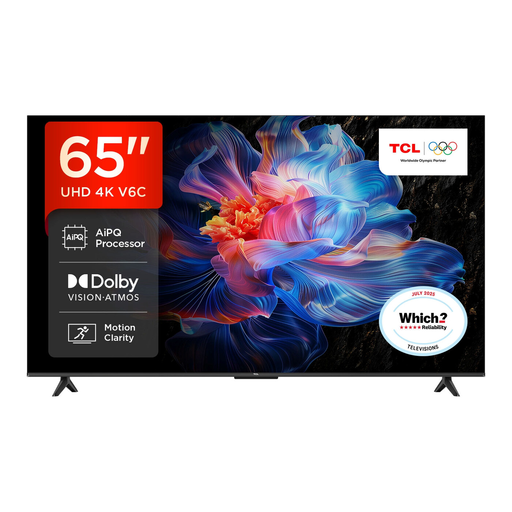
TCL 65V6C 65-inch Direct LED 4K HDR Google TV
If you are considering an LED/LCD TV for your side seat, compare this model’s colour and contrast from that position rather than relying on its display label.
The product name specifies a 65-inch Direct LED 4K HDR Google TV. Check the services you use and how the screen handles reflections in your room.
View on Joybuy
 No image available
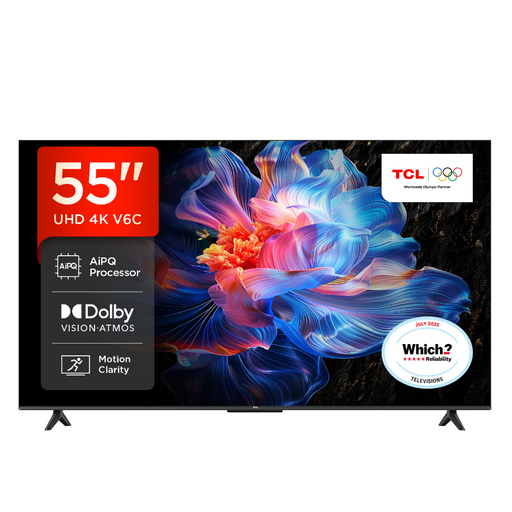
TCL 55V6C 55-inch Direct LED 4K HDR Google TV
This 55-inch V6C is an option to assess when you want a smaller screen than the 65-inch version; check its picture from your own side seat.
The product name specifies Direct LED, 4K HDR and Google TV. Confirm your preferred apps and check for distracting reflections where the TV will stand.
View on Joybuy
 No image available
TCL 43V6C 43-inch Direct LED 4K HDR Google TV
For a compact viewing area, check whether the 43-inch screen suits both your available space and the distance to your side seat.
The product name specifies Direct LED, 4K HDR and Google TV. Assess off-centre colour and contrast on this size rather than assuming they match another V6C variant.
View on Joybuy
 No image available
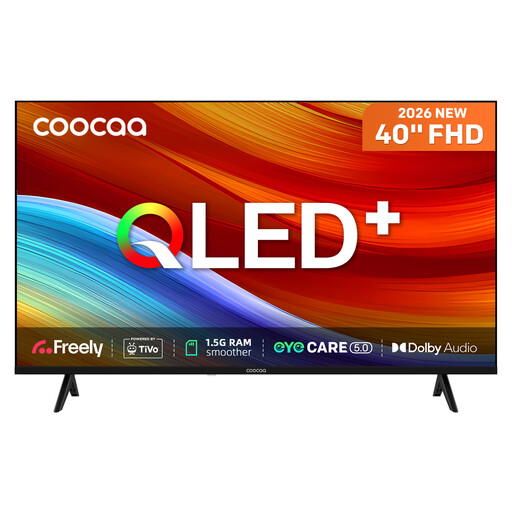
Coocaa 40CTQH38ZUK (40CTQH38) 40-inch QLED Full HD TV
Consider this 40-inch screen if a smaller TV suits your space, while checking how its picture looks from the seat where you follow cookery shows.
The product name specifies Direct LED, Full HD, Freely and TiVo. A quoted viewing-angle figure alone would not establish colour or contrast retention from your seat; check reflections and your preferred services too.
View on Joybuy
Common questions
How can I check whether a TV looks good from my side seat?
Compare its picture from approximately where you normally sit, looking for changes in colour, contrast and darker detail rather than judging only from directly in front. RTINGS.com identifies viewing angle as important for wide seating arrangements; check information for the exact model and size as well as any available in-person display.
Should I choose OLED or Mini LED for a bright kitchen-living room?
If off-centre viewing is your main concern, OLED is a route to assess; if reflections are also troublesome, compare TVs with a stated glare-control feature. LG describes wide viewing angles for OLED, while Samsung identifies glare-control features on selected Neo QLED models, but neither technology label establishes how the exact screen will look from your seat.
Do I need a TV Licence for cookery shows in the UK?
You need a TV Licence to watch live TV on any service or to use BBC iPlayer, according to TV Licensing. Watching other on-demand programmes alone does not create that requirement, provided you are not watching live TV or using BBC iPlayer.
What can I do with my old TV when replacing it?
Arrange appropriate electrical-item recycling rather than putting the old TV in household rubbish. GOV.UK says that, when you buy a new electrical product, the retailer must accept the old one free on a like-for-like basis.


