Who is this for?

Regular side-seat viewer

If you usually watch from an armchair, the end of a sofa or a kitchen-side seat, colour and contrast need to hold up away from the centre. RTINGS’ viewing-angle guidance and the wide-angle information from Samsung UK and LG UK make this a useful starting point when comparing TVs for garden scenes.

Bright-room side-seat viewer

Daylight or a reflected window can complicate an off-centre view. Check reflection handling on the exact TV rather than assuming a panel type answers both questions; Samsung’s QN93D, for example, lists an anti-reflection screen alongside its viewing-angle feature, but that combination should not be assumed for other models.

Household with flexible seating

If people switch between central and side seats, screen position matters alongside the panel. Measure from the seat you use and check mount compatibility if you plan to aim the TV towards it; Sony UK provides viewing-distance guidance, while Samsung UK advises checking the model, size and year when choosing a wall mount.

What matters when choosing?

OLED TV

Consider it when: the side seat is used regularly and a consistent view of foliage, flowers and shaded areas matters most. Samsung UK and LG UK describe wide viewing angles as an OLED characteristic.

Allow for: reflections in your room and prolonged fixed images; Samsung UK cautions that leaving a fixed image on an OLED screen for a long time can cause burn-in.

LCD with a named wide-angle feature

Consider it when: you prefer an LCD route and the exact model and size specify a viewing-angle feature. Samsung’s QN93D and selected Sony BRAVIA models illustrate why the feature must be checked model by model.

Allow for: a feature name is not a measurement of the picture from your seat, and reflection treatment also varies by model.

LCD without a stated wide-angle feature

Consider it when: the side seat is only occasional or is close to the centre, and you can assess the particular TV from that position.

Allow for: off-centre performance varies between LCD panels. RTINGS finds that IPS panels generally have wider viewing angles than VA panels; a generic LED or QLED label does not identify how an individual TV will look from the side.

Concern What to check Who this matters to
Colour and contrast from the side Look for an independent viewing-angle assessment or an explicit wide-angle feature for the exact model and size. If I usually sit well off-centre, I want foliage and shaded borders to remain convincing from my seat. Around 36% of consumers put side-view picture consistency first.
Daylight and reflections Note where windows and lamps reflect from the side seat, then check the model’s reflection-handling information. When I watch in daylight, a reflected window may distract me before subtle picture detail becomes useful. Reflection control is the main priority for around 29% of consumers.
Size and position Measure from the side seat and check the eye-line. For a 4K TV, Sony UK gives a minimum viewing-distance guide of 1.5 times the screen’s vertical height; check mounting requirements if applicable. I may move between seats, so the screen needs to fit the room and face the places we actually watch from. Around 21% of consumers primarily need a workable size and position.
Screen care and energy information For prolonged fixed images on OLED, read the manufacturer’s care guidance. Compare energy information for the exact screen sizes under consideration. If channel graphics or menus may stay on screen for long periods, I want to understand screen care before choosing; I also want comparable energy information. Around 14% of consumers make these ownership checks their main concern.

Buying pitfalls

  • Taking an LED, QLED or Mini-LED label as proof of a good side view

    LCD viewing angles vary by panel and model. A screen that looks convincing straight on may lose colour or contrast from the chair where you actually watch.

    Check the exact model and size for a stated wide-angle feature, or look for an independent viewing-angle assessment. Judge the result from a comparable off-centre position where possible.

  • Choosing OLED without considering long fixed-image use

    Samsung UK says leaving a fixed image on screen for a long period can cause burn-in, which can be particularly noticeable on OLED TVs. That consideration differs from watching changing television programmes.

    If you regularly leave paused menus, dashboards or fixed channel graphics displayed for prolonged periods, read the chosen manufacturer’s screen-care guidance.

  • Measuring only from the central sofa

    The usual side seat may be at a different distance or height, so a screen size chosen for the sofa may be awkward from the position that prompted the purchase.

    Measure the side-seat distance and eye-line before ordering. For wall mounting, confirm the TV’s mounting requirements, the bracket’s compatibility and the fixing method.

  • Assuming display technology tells you energy use

    A panel label alone is not an energy comparison between two TVs of particular sizes. GOV.UK’s guidance for televisions and electronic displays in Great Britain requires the energy label to be easy to see and clearly related to the product.

    Compare the displayed labels and product information for the exact TVs you are considering, alongside their suitability for the side seat.

Brands to consider for these display routes

LG

LG UK describes wide viewing angles for its OLED range, making its OLED models relevant to a regular side seat.

  • The OLED route directly addresses the off-centre viewing question.
  • Check the selected model and size for reflection handling, mounting arrangements and energy information; these should not be inferred from the range name.

Samsung

Samsung UK discusses OLED viewing angles and also lists Ultra Viewing Angle with an anti-reflection screen on its QN93D example.

  • Its named OLED and wide-angle LCD routes give side-seat shoppers distinct models to investigate.
  • Check the feature list for the exact size. Samsung UK also advises care with fixed images left on OLED screens for long periods.

Sony

Sony UK describes X-Wide Angle Pro for applicable BRAVIA models and provides guidance on viewing distance.

  • A named wide-angle feature gives LCD shoppers a specific model-level detail to check.
  • X-Wide Angle Pro is not a specification for every Sony TV; confirm the chosen model’s display features and placement requirements.

Joybuy TVs for this setup

These TVs cover OLED models and LCD models whose listings describe a wider-viewing-angle feature. For any of them, compare the exact screen size with your side-seat distance and assess reflections and off-centre picture quality before deciding.

Samsung S85F QE83S85FAE television

Samsung S85F QE83S85FAE 83-inch 4K TV

Consider this OLED model if a regular side seat and an 83-inch screen suit your layout. Measure from that seat, check reflections in your room and review Samsung’s OLED screen-care guidance if fixed images will remain displayed for long periods.

View on Joybuy

Sony BRAVIA 8 K65XR80BP television

Sony BRAVIA 8 K65XR80BP 65-inch OLED 4K HDR TV

This OLED model is an option when you regularly watch from the side and want a 65-inch screen. Check whether that size, its reflections and any proposed mounting position work from your usual chair.

View on Joybuy
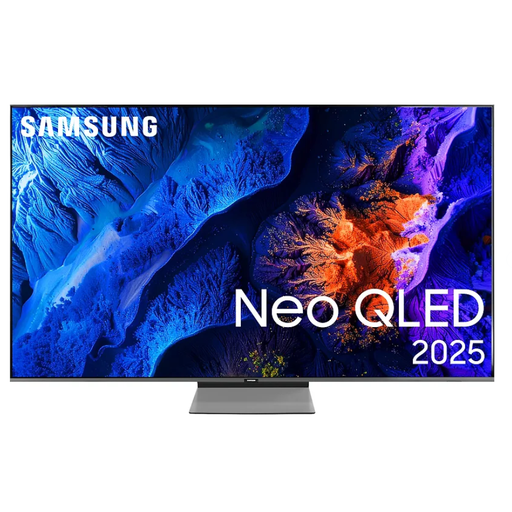
Samsung Neo QE55QN85FAUXXH television

Samsung Neo QE55QN85FAUXXH 55-inch 4K TV

This is an LCD-route option for a side seat: the model listing names Wide Viewing Angle. Treat that as a feature claim rather than a measured result from your chair, and check reflections as well as whether a 55-inch screen fits the viewing distance.

View on Joybuy
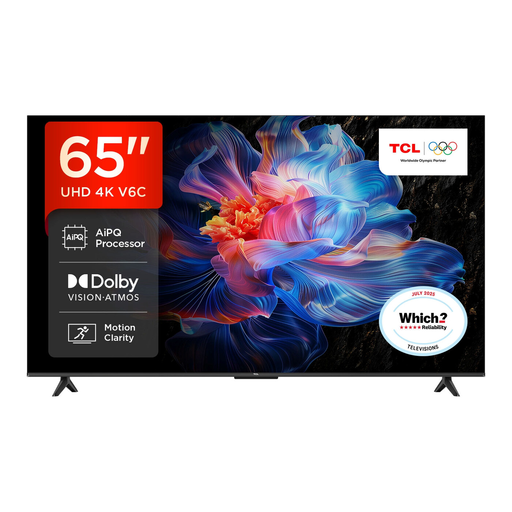
TCL 65V6C television

TCL 65V6C 65-inch Direct LED 4K HDR Google TV

Consider this 65-inch LCD model if its size suits the side seat and you want to investigate an alternative to OLED. Its product description claims wider viewing angles for the HVA panel; check how the picture and reflections look from your intended position rather than treating that claim as a test result.

View on Joybuy
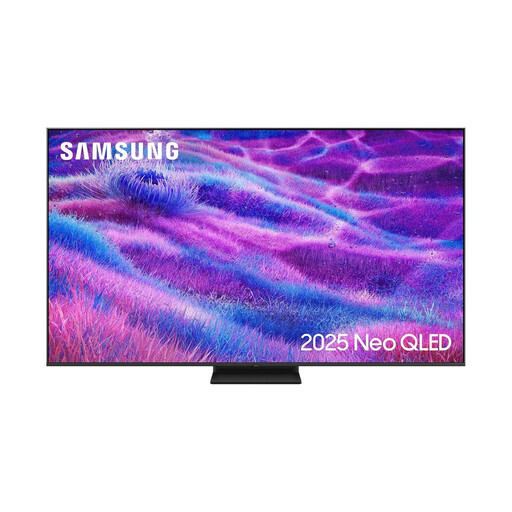
Samsung QE75QN80FAU television

Samsung QE75QN80FAU 75-inch 4K TV

This 75-inch LCD-route model lists Wide Viewing Angle, making it worth assessing from a side seat. Check the actual off-centre picture, reflections and viewing distance before committing to a screen of this size.

View on Joybuy

Common questions

Is OLED the only option for watching from a side seat?

No. OLED is a useful starting point for a regularly off-centre seat, but an LCD can also be considered when the exact model and size specify a wide-angle feature. Check a comparable side view where possible; QLED, Mini-LED and LED labels alone do not establish viewing-angle performance.

How do I choose a screen size for the side seat?

Measure from the seat you actually use, then check the available space and eye-line. Sony UK gives a minimum distance guide for 4K TVs of 1.5 times the screen’s vertical height; room layout and viewing comfort still matter to the final position.

Will a wall mount fix an awkward side view?

A suitable mount may let you aim the screen towards the seat, but it does not change the panel’s viewing-angle performance. Check the TV’s exact model, size and mounting requirements, along with the bracket, wall fixing and load capacity before installation.

What if I watch gardening programmes in a bright room?

Check both the off-centre picture and reflections at the times you normally watch. Some LCD models list wide-angle and anti-reflection features together, as Samsung’s QN93D does, but confirm those features on the exact TV rather than assuming they apply to every LCD or OLED model.

Where should I look for a TV’s energy information?

Compare the energy label and product information for the exact models and sizes under consideration. GOV.UK guidance for televisions and electronic displays in Great Britain says the label must be easy to see and clearly related to the product; Northern Ireland requirements should be checked separately.