What should you check first?
Start with the ingredient each person needs to avoid, then assess the exact pack—not just its flavour, brand or aisle.
| Priority |
What to check |
Your needs |
| Named allergens |
Read the full ingredients list for the specific peanut, tree nut or other ingredient being avoided. Treat a gluten-free or dairy-free claim as applying to its named exclusion, not every allergen. |
I need to know whether the snack contains the particular ingredient someone cannot eat—not simply whether it sits in a free-from range. |
| Precautionary wording |
Check ‘may contain’ and other suitability statements on the current pack. The Food Standards Agency describes precautionary allergen labelling as a warning about possible unintended presence, rather than a deliberate ingredient. |
A short ingredients list alone does not answer my question about possible cross-contact. I need the pack’s warning to fit the person’s avoidance requirements. |
| Flavours and mixes |
Compare each variant’s ingredients and warnings; do not carry a decision over from a plain pack to a flavoured or mixed one. KP lists a flavour blend in its Dry Roasted peanuts, while both that product and KP Original Salted carry warnings for other nuts, milk, soya and gluten. |
I want a TV snack whose exact flavour and nut combination I can check against everyone’s requirements. |
| Serving several people |
Check each pack before opening it and keep its identity clear when putting snacks into bowls. Choose a separate labelled alternative when a guest needs to avoid the nut or peanut in a proposed snack. |
Different guests may need different snacks, and I want to be able to tell which bowl came from which pack. |
Brand and retailer starting points
These ranges can help narrow a search, but suitability remains a product-by-product decision.
KP
KP offers Original Salted, Dry Roasted and other flavoured peanut products.
- KP lists peanuts, sunflower oil and salt as the ingredients of its Original Salted product.
- KP states that both its Original Salted and Dry Roasted products may contain other nuts, milk, soya and gluten. Check the declaration for the exact product chosen.
Tesco
Tesco has a plain-nuts category and a separate Free From shopping area.
- Its categories provide starting points for comparing named nuts or searching exclusions such as gluten, wheat and milk.
- A category or dietary filter does not replace the individual product’s ingredients and allergen declaration.
M&S Food / Made Without
The Made Without range includes products described as gluten-free, wheat-free, lactose-free or dairy-free.
- The named range descriptions can help shoppers start with the exclusion they need.
- Those descriptions do not establish nut or peanut suitability. M&S advises checking each product’s label or ticket and says it cannot guarantee allergen-free food across its in-store food operations.
Joybuy snack options
These options include chestnuts, pecans and pistachios alongside peanut- and almond-containing snack bars. They are different kinds of TV-night snack, not a group with one shared free-from status: check each current pack against the ingredients that matter to your household.
 No image available
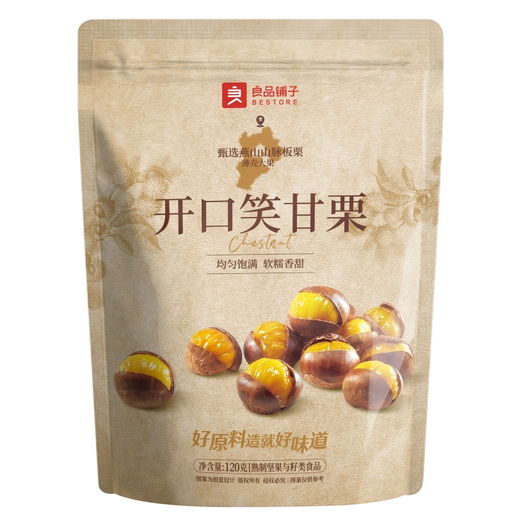
Bestore Smiling Chestnuts 120g bag
A chestnut option for the snack bowl. If anyone has an allergy or another ingredient restriction, check the current pack’s ingredients and precautionary wording before serving.
View on Joybuy
 No image available
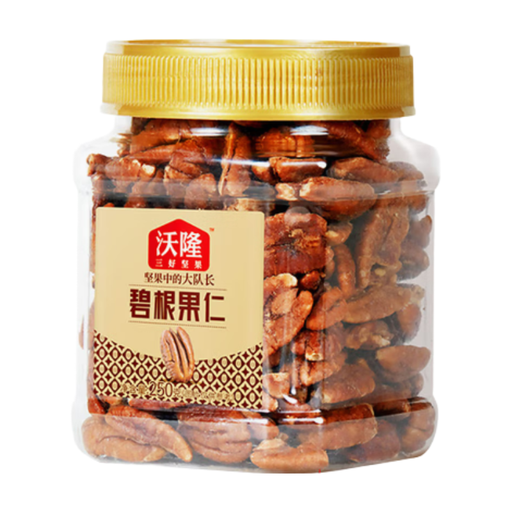
Wolong Pecan Kernels 250g
A pecan option when that named tree nut is suitable for everyone eating it. Check the pack for its full ingredients and any warnings concerning other allergens.
View on Joybuy
 No image available
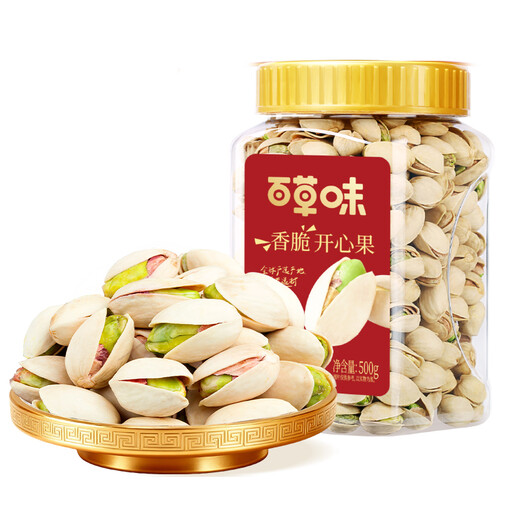
BE&CHEERY Pistachios 500g
A pistachio option for people who can eat that named tree nut. Read the current pack before offering it to anyone avoiding another ingredient or concerned about cross-contact.
View on Joybuy
 No image available
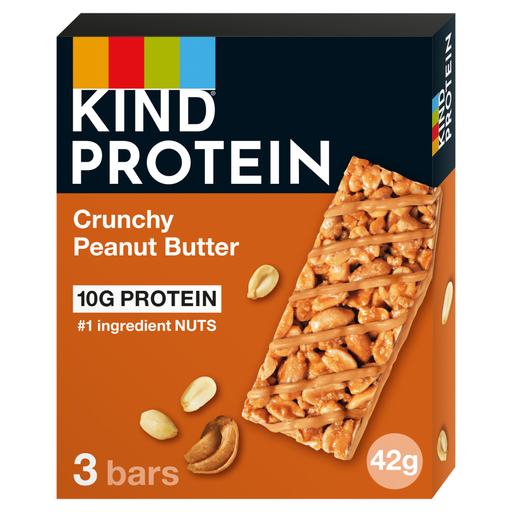
KIND Protein Crunchy Peanut Butter 3 x 42g
A peanut butter snack-bar option rather than a pack of plain nuts. It is not a choice for someone avoiding peanuts; check the bar’s full ingredient and precautionary declarations for any other exclusions.
View on Joybuy
 No image available
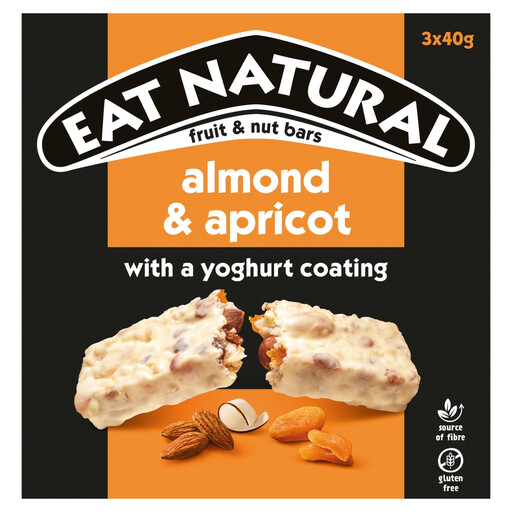
Eat Natural Almond, Apricot & Yoghurt 3 Pack 120g
An almond, apricot and yoghurt snack-bar option. It is not a choice for someone avoiding almonds; check the pack’s ingredients and precautionary wording for milk and any other relevant allergens.
View on Joybuy
Questions about allergens and nuts
Can you serve nuts to someone with a nut allergy?
Do not serve a snack containing the nut the person needs to avoid. The NHS identifies peanuts and tree nuts as distinct allergic foods, so check the person’s specific avoidance requirements and choose a separately labelled alternative when the proposed nut snack does not fit them.
Does ‘may contain’ mean an allergen is an ingredient?
No: the Food Standards Agency describes precautionary allergen labelling as communicating possible unintended allergen presence. Check it alongside the ingredients list, and use the person’s established allergy-management advice to decide whether the product is appropriate.
Are plain peanuts automatically suitable when avoiding gluten or milk?
No. KP lists peanuts, sunflower oil and salt as the ingredients of its Original Salted product, but also states that it may contain other nuts, milk, soya and gluten. Read both parts of the declaration on the current pack.
What allergen information is required on UK food packed for direct sale?
For food prepacked for direct sale, UK requirements in force since 1 October 2021 require the food’s name and a full ingredients list, with the 14 regulated allergens emphasised within that list, according to the Food Standards Agency and Food Standards Scotland. This rule concerns that specific type of packaging; still check the declaration on the snack you are buying.


