Kitchen-diner quiz-game households
Families who need question prompts, answer choices and scores to be readable from several seats. Screen placement and straightforward controls matter when people of different ages play together.


For family quiz games in a kitchen diner, prioritise a screen everyone can read, a size that fits the room and connections that make game night straightforward. Consider 4K120 and variable refresh rate (VRR) if the same TV will also be used for compatible fast-paced games; check the exact model’s HDMI sockets and how its screen looks under your room lighting before choosing.
Families who need question prompts, answer choices and scores to be readable from several seats. Screen placement and straightforward controls matter when people of different ages play together.
Households using one TV for quizzes, streaming and occasional faster console or PC games. Features such as 4K120 and VRR become worth checking for those other games, provided the source device and TV support them.
Consumers balancing limited placement space with an interest in films and games. They need to assess the exact screen size, connections and picture under their kitchen-diner lighting rather than rely on a gaming label.
Start with where people will sit and where the screen will go, then map the devices that need HDMI connections. Treat higher refresh rates and panel type as decisions about your other viewing and gaming habits, not shortcuts around checking the room.
| Concern | What to check | Who this matters to |
|---|---|---|
| Shared visibility | Measure the available space and assess text readability, off-centre seats and reflections from windows or ceiling lights on the exact screen. | If everyone gathers around the dining table, I need prompts to stay readable without moving seats to escape reflections. Around 42% of consumers put shared visibility first. |
| Simple connections | Count permanently connected devices; check each HDMI socket’s functions and whether a compatible soundbar needs an eARC connection. | When the console and audio equipment stay connected, I want to start a game without swapping cables or hunting for the right input. Simple setup comes first for around 33% of consumers. |
| Faster gaming | For 4K120 or VRR, check the game, console or PC, cable, HDMI socket and required TV settings together. | If this TV will also handle fast-paced games, I care about the supported gaming modes beyond quiz night. Around 25% of consumers make that broader gaming use their primary concern. |
A high figure does not mean a quiz game will use it. Samsung’s UK gaming-TV information says its higher 4K refresh-rate modes depend on a supporting PC game and suitable graphics hardware.
Check whether anyone will play compatible high-frame-rate games. If quizzes are the main use, settle room fit, readability and connections before comparing those modes.
Sony UK cautions that a TV’s listed HDMI feature may not work on every input. A compatible device, cable or signal-format setting can also be required.
Use the exact model’s manual to assign a socket to each console, streaming device and soundbar before deciding whether the layout works for you.
A gaming specification alone cannot tell you whether people at different dining seats will see question text clearly when windows or overhead lights reflect in the screen.
Measure the intended position, note the strongest light sources and assess the exact display under comparable lighting where possible. If that is impractical, check the retailer’s applicable return terms before purchase.
For UK viewing, GOV.UK says a TV Licence is needed to watch or record live TV on any channel or service, or to use BBC iPlayer. Owning a gaming TV or connecting a console does not itself determine the requirement.
Consider what the household will watch as well as what it will play, particularly if the TV will be used for live programmes or BBC iPlayer.
LG’s C5 range is relevant if an OLED screen is under consideration alongside family gaming; the UK OLED48C56LB is a 48-inch example.
Samsung offers Mini LED/QLED and OLED gaming-TV ranges for consumers comparing screen types and device connections.
Sony’s BRAVIA range is relevant when console features and the way they are assigned to HDMI inputs affect the setup.
These TVs are relevant to quiz-led shared viewing, with some also worth considering for households that play other games. Compare their size and stated features against your seating layout, lighting and connected devices; the product choices do not establish which screen will look clearest in your room.
 No image available
For family quizzes alongside other gaming, consider this model if its screen fits your seating positions. Its name specifies QD-Mini LED, 4K HDR, Google TV and an ONKYO 2.1 sound system.
The refresh-rate wording differs between the title and product details. Confirm the exact variant’s capabilities and the HDMI functions needed for your console.
 No image available
For quiz nights and other games, check whether this screen’s size works for every dining seat. The name identifies QLED, 4K HDR PRO, Google Cast and an ONKYO 2.1 sound system.
Its 288Hz Game Accelerator label should not be read as a confirmed native panel refresh rate. Check the exact gaming modes and HDMI-port assignments you intend to use.
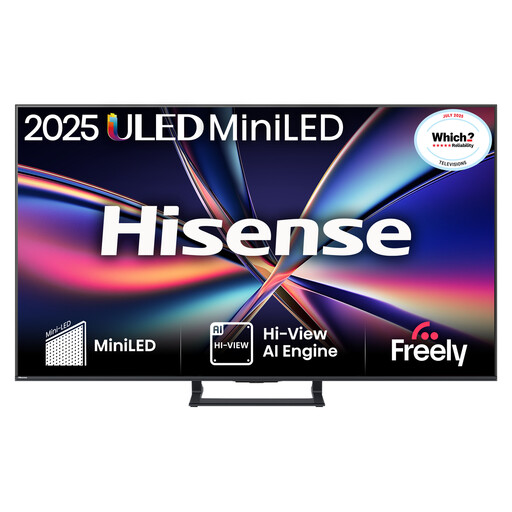 No image available
For quizzes and faster games on the same screen, assess whether the 55-inch size suits the room. The name lists Mini LED, 4K HDR, VIDAA OS, Game Mode PRO and a built-in subwoofer.
Check that your intended console socket, cable and settings support the gaming mode you want; the listed VRR mode is assigned to HDMI 3 and 4.
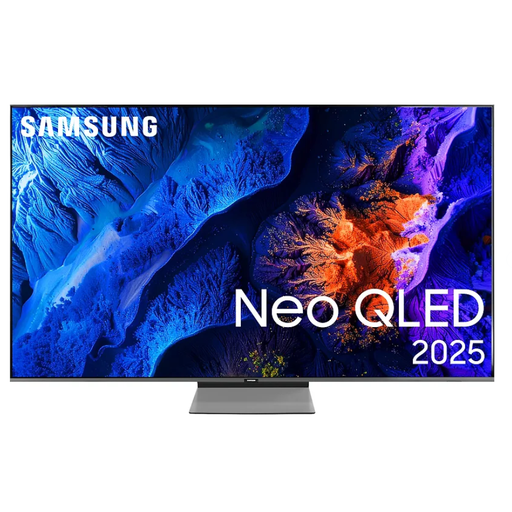 No image available
For a shared quiz setup with a console, check whether the 55-inch screen is readable from each seat. The name specifies 4K Ultra HD smart-TV functionality and Wi-Fi.
Assess reflections in your intended position and confirm the exact model’s HDMI functions for any console or soundbar.
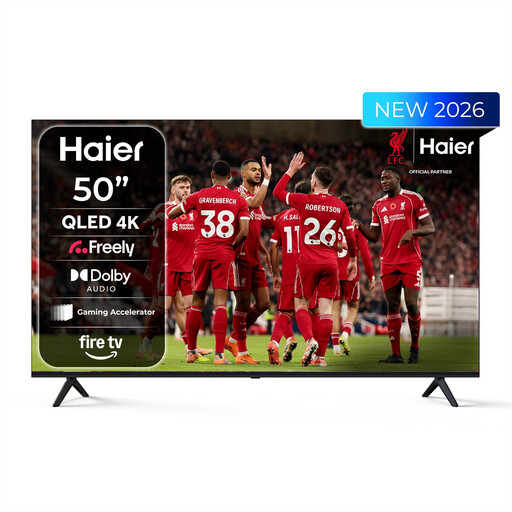 No image available
For a quiz-led setup that does not depend on 4K high-refresh gaming, consider this 50-inch set if it fits the room. Its name lists 4K QLED, Fire TV, Freely, HDR10+ and an Alexa voice remote.
Do not choose it expecting 4K120 support. Check the HDMI and audio connections needed for your own console and soundbar.
No, 120Hz is not a core requirement for choosing a TV primarily for family quiz games. If the household also plays compatible fast-paced console or PC games, check whether the game, source device, cable, TV socket and settings support the higher refresh rate or VRR you want.
No. Sony UK cautions that a listed HDMI feature may not work on every input. Check the exact TV model’s manual, then match the console or PC and its cable to the appropriate socket and signal-format setting.
A soundbar is not required if the TV’s own speakers make speech clear enough from the seats you use. If you plan to add compatible audio equipment, check its connections and whether the TV provides eARC on the HDMI socket you intend to use.
Using a games console alone does not trigger the UK TV Licence requirement. GOV.UK says you need a licence if you watch or record live TV on any channel or service, or use BBC iPlayer, so consider those viewing habits separately from gaming.