
24/7 Customer Support

Free returns

Same-day & Next-day Delivery

Quality Guaranteed

Unlock Your Welcome Offers: FREE Delivery | Up to 80% OFF | Free 30-day JoyPlus trial
Download the APP
Choosing Twinings tea bags online is not simply a matter of picking the most attractive box. The range includes black tea, green tea, herbal infusions, fruit infusions and Twinings Superblends, with pack sizes suited to anything from occasional use to a busy household cupboard.
The main challenge is matching the product to your actual drinking habits. A caffeine-free tea may be more suitable for late evening, while Twinings English Breakfast tea can be a practical everyday option. Before buying, watch for these common pitfalls.
Terms such as “tea”, “wellness tea” and “Superblends” can describe very different drinks. Black tea and green tea naturally contain caffeine, whereas products made from ingredients such as peppermint, camomile, fruit, spices or rooibos are generally caffeine-free unless the packaging states otherwise.
If you want to avoid caffeine, check the product description and ingredients rather than relying on the front-of-pack name. Twinings peppermint tea and Twinings lemon and ginger tea are examples of herbal infusions, while Twinings green tea and English Breakfast contain tea leaves.
Tea bag multipacks can reduce how often you need to restock, but a large box is not automatically economical. Flavour preferences can change, and infusions with delicate fruit or botanical notes may be less appealing if they sit unused for months.
Compare the number of tea bags, total weight and likely cups per week. An 80- or 120-bag pack may suit a family or shared office, while a 20-bag selection is useful for trying different flavours.
Some Twinings Superblends include ingredients such as vitamin D, vitamin B6, vitamin B12 or niacin. These are nutritional details, not a reason to treat tea as a medicine or replacement for a balanced diet. Product descriptions should be read for flavour, ingredients and preparation guidance, while any nutrient statement should be understood in the context of the stated reference intake.
For morning energy or a traditional cup with milk, black tea varieties such as Twinings English Breakfast tea are familiar choices. Green tea offers a lighter taste and may be served without milk. For evening drinking, look for clearly labelled caffeine-free tea, including peppermint, camomile, fruit and selected botanical blends.
Where caffeine sensitivity matters, check the full ingredients list. A blend containing green tea or black tea should not be treated as caffeine-free simply because it also contains fruit or herbs.
Ingredients listed first usually make up the largest proportion of a blend. For example, the Twinings Lemon & Ginger 80 Pack contains ginger root at 37%, with lemon flavouring, lemongrass and lemon peel. This points towards a warming, zesty drink rather than a delicate fruit infusion.
Fruit infusions often use hibiscus, rosehips, apple pieces and natural flavourings. The Twinings Fruit Selection includes Cranberry & Raspberry, Mango & Strawberry, Blackcurrant & Blueberry and St Clements, giving households several flavour directions in one box.
Check whether the product contains individually wrapped bags, standard tea bags or a selection of different blends. Brewing instructions also vary. Several herbal products recommend 200ml of freshly boiled water and around 3–5 minutes of steeping. Covering the cup while brewing can help retain aroma, particularly in lemon and ginger blends.
Store tea in a cool, dry place, away from strong odours and direct sunlight. This helps prevent the bags absorbing unwanted smells and protects the intended flavour.
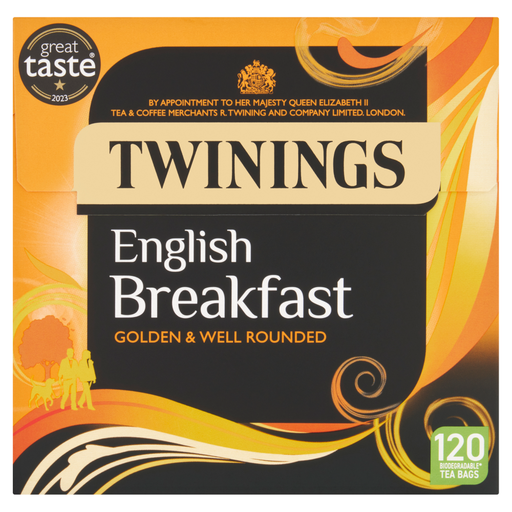
Why This Fits Their Persona: A large pack suits regular tea drinkers who want a familiar black tea for breakfast, lunch breaks and serving guests.
The 100% black tea ingredient list makes the style clear, so shoppers are not paying for a blend that does not match their usual cup.
120 tea bags; 300g net quantity; suitable for everyday cupboard use.
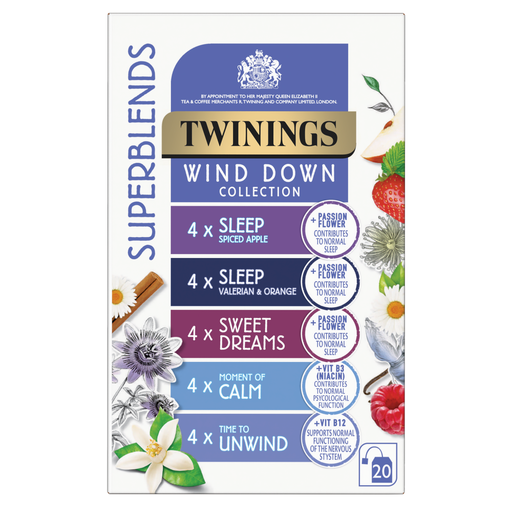
Why This Fits Their Persona: Suitable for shoppers who prefer variety and botanical flavours during an evening routine rather than one single infusion.
The collection lists five distinct infusions, including camomile, lemon balm, passionflower and spiced apple notes, making the variety transparent.
Five flavours in one 20-bag collection; caffeine-free herbal and fruit infusions.
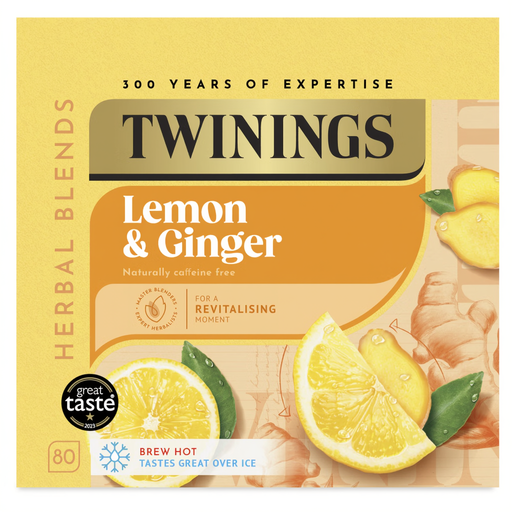
Why This Fits Their Persona: A practical choice for households that regularly drink caffeine-free tea and enjoy a pronounced lemon and ginger flavour.
The ingredient list identifies ginger root at 37% and lemon peel at 9%, rather than relying only on flavour-led packaging.
80 tea bags; naturally caffeine-free herbal infusion; recommended brewing time of 3–5 minutes.
We have compiled a complete, real-time list of products that fully satisfy these strict selection criteria and UK safety regulations.
For a lighter, more fragrant cup, Twinings Lemon Green Tea 20 Pack combines green tea with natural lemon flavouring. It is a smaller pack for shoppers who want to alternate between traditional tea and a fresher-tasting infusion.
Those looking for straightforward caffeine-free tea may prefer Twinings Pure Peppermint 80 Pack. Its ingredient list is 100% peppermint, and the larger quantity works well for frequent after-meal or evening use.
For a mixed household, Twinings Superblends Wellbeing Collection 20 Tea Bags offers five blends, including Defence, Detox, Glow, Digest and Sleep. Treat these as flavoured botanical infusions with listed ingredients, not as substitutes for medical advice.
Not all of them. Black tea and green tea naturally contain caffeine. Herbal and fruit infusions such as peppermint, lemon and ginger, and many Superblends products are described as naturally caffeine-free. Always check the specific product label if avoiding caffeine is important.
Many herbal infusions recommend around 3–5 minutes in freshly boiled water. Black tea and green tea may require different preferences, so follow the pack instructions and adjust the time for a lighter or stronger cup.
They can offer convenience for frequent drinkers, but value depends on how quickly your household uses them and whether the flavour remains enjoyable. Compare the bag count, net weight and price per bag before choosing between a 20-, 80- or 120-bag pack.