
24/7 Customer Support

Free returns

Same-day & Next-day Delivery

Quality Guaranteed

Unlock Your Welcome Offers: FREE Delivery | Up to 80% OFF | Free 30-day JoyPlus trial
Download the APP
Udon noodles are a staple in Japanese cuisine, celebrated for their thick, chewy texture and incredible versatility. Whether you're craving a comforting bowl of noodle soup on a chilly evening or a quick and satisfying stir-fry, udon provides the perfect base. However, when you decide to buy udon noodles online, the variety can be surprising. From fresh, ready-to-heat packs to dried pantry staples and even low-calorie alternatives, choosing the right type can feel like a task in itself.
As a Joybuy Product Recommendation Officer, my role is to help you navigate these options. This guide is designed to clarify the differences between various types of udon and help you select the ideal noodles for your culinary needs and lifestyle.
Before we look at specific products, let's cover a few key points. Understanding these distinctions will make your decision much simpler.
The most common choice you'll face is between fresh (often vacuum-packed and pre-cooked) and dried udon.
While any udon can be used for most dishes, some types perform better in certain recipes.
For those with specific dietary goals, traditional wheat-based noodles may not be suitable. This is where konjac udon comes in. Made from the konjac root, these are exceptionally low carb noodles and are very low in calories. They have a distinct, slightly gelatinous texture and are brilliant at absorbing the flavours of sauces and broths they are cooked in.
Based on versatility, convenience and different dietary needs, here are our recommendations for udon noodles you can add to your kitchen.

Why It Stands Out: These pre-cooked, vacuum-sealed udon noodles are the definition of a quick meal solution. Ready in just 2-3 minutes, they provide that classic soft and chewy texture without the long boiling time.
Pros:
Who is it for? Busy professionals, students or anyone who needs a reliable and speedy base for a delicious meal. They are particularly well-suited for simple noodle soups or a quick sauce-based dish.
View Kuai Lai Kuai Wang Udon Noodles
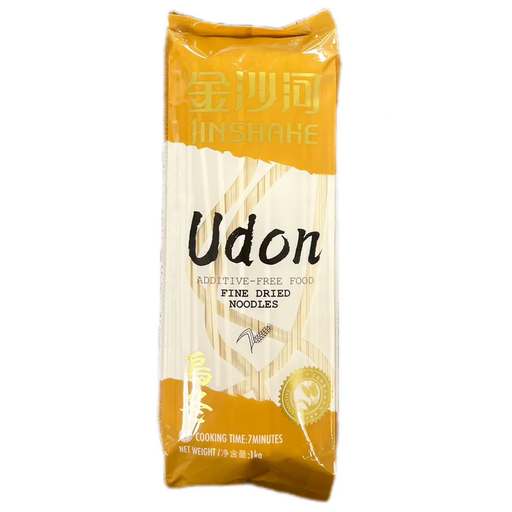
Why It Stands Out: For those who use udon regularly, this 1kg pack of dried noodles offers great value and a long shelf life. Made from a simple list of ingredients—wheat flour, water and salt—these noodles deliver an authentic, satisfyingly firm and chewy texture once cooked.
Pros:
Who is it for? Home cooks who appreciate the traditional texture of dried noodles, families buying in bulk and anyone who wants to keep a versatile noodle option on hand in their pantry.
View Jin Sha He Udon Dried Noodles
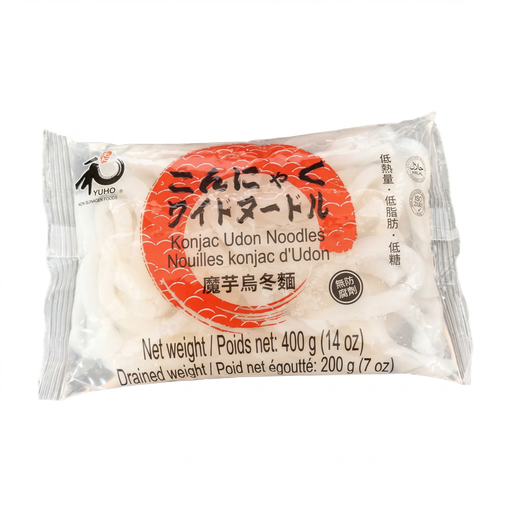
Why It Stands Out: YUHO's Konjac Udon is a fantastic alternative for those monitoring their calorie or carbohydrate intake. Made primarily from konjac flour, these noodles contain just 6 kcal per 100g. They have a unique, smooth and elastic texture and are excellent at absorbing the flavours of whatever they are cooked with.
Pros:
Who is it for? Anyone following a low-calorie, low-carb or keto-friendly diet who doesn't want to give up noodles. They are also great for those looking to incorporate more fibre into their meals.
Udon is just one of the many fantastic noodle varieties available. If our recommendations aren't quite what you're looking for or if you're interested in exploring other staples, be sure to browse our wider selection.
Explore Our Full Wheat & Cereal Collection
1. What is the main difference between udon and ramen noodles? The primary difference lies in the ingredients and thickness. Udon noodles are thick wheat noodles made from wheat flour, water and salt, giving them a soft, chewy texture. Ramen noodles are generally thinner and are made with the addition of an alkaline agent (kansui), which gives them a firmer, springier texture and a yellowish colour.
2. How do you prevent dried udon noodles from becoming mushy? To cook dried udon noodles perfectly, use a large pot with plenty of boiling water. This prevents the noodles from sticking and ensures they cook evenly. Follow the package instructions for timing, but start testing a noodle a minute or two before the recommended time. You're looking for an al dente or "firm to the bite" texture. Once cooked, drain them immediately and rinse with cold water to stop the cooking process.
3. Are konjac udon noodles a good substitute for regular udon? Konjac udon is an excellent substitute if your priority is reducing calories and carbohydrates. However, it's important to note that the texture is different from wheat-based udon—it's more gelatinous and less "doughy." It excels in dishes with strong sauces or broths, as it absorbs flavour very well, but it won't replicate the exact experience of traditional udon.