
24/7 Customer Support

Free returns

Same-day & Next-day Delivery

Quality Guaranteed

Unlock Your Welcome Offers: FREE Delivery | Up to 80% OFF | Free 30-day JoyPlus trial
Download the APP
Udon noodles are a practical cupboard or freezer staple for UK kitchens, but the packaging can make similar products look interchangeable. The actual differences often affect preparation time, texture, storage and value.
Before buying Japanese udon noodles or Korean-style udon, watch for three common traps:
The right choice depends on how you plan to use the noodles, not simply the stated weight or the words “thick and chewy”.
Udon is available in several formats, each suited to a different routine:
Preparation instructions vary considerably. For example, some products are ready after one or two minutes, whereas dried noodles may need around 10 minutes. Always follow the packet instructions rather than assuming all thick noodles cook in the same way.
Traditional-style udon is generally recognised by its thick, smooth and chewy texture, but thickness alone does not guarantee the same result in every dish.
For udon noodle soup, softer pre-cooked noodles can absorb broth quickly. For yaki udon or other stir-fry noodles, choose noodles that can be loosened without breaking and drained thoroughly before adding sauce. Very wide noodles, such as oni-himokawa-style noodles, provide a different eating experience and can hold rich sauces, but they may need more careful cooking.
If you prefer a firm bite, avoid overcooking. Briefly rinse or loosen the noodles according to the instructions, then finish them in the broth or wok.
A single 150–250g portion can suit one person, while an udon noodle multipack is more practical for families, meal planning or regular cooking. Compare the number of servings with your usual portion rather than judging by total weight alone.
Most plain udon products contain wheat or gluten. Some also contain soya, while flavoured products may include sesame, fish, crustaceans, egg, milk or molluscs. In the UK, allergen ingredients should be clearly emphasised on the label, but recipes can change, so check the current packaging before purchase.
Plain noodles are a flexible choice for vegetarian or plant-based cooking. However, “vegetarian-friendly” noodles may still be paired with a sauce containing fish or other animal-derived ingredients. Read the full ingredients list if you are choosing plant-based udon.
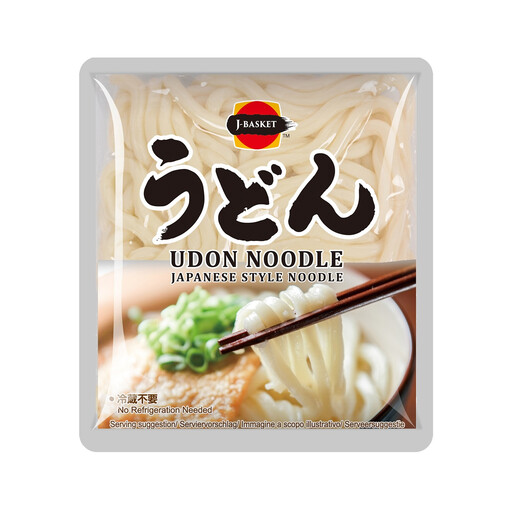
Why This Fits Their Persona: A single 200g portion gives first-time buyers a manageable way to prepare Japanese-style noodles without committing to a large multipack.
The listed cooking time is one minute, helping avoid the assumption that all udon requires lengthy boiling.
200g format; suitable for soups and yaki udon; contains wheat and may contain traces of soya.
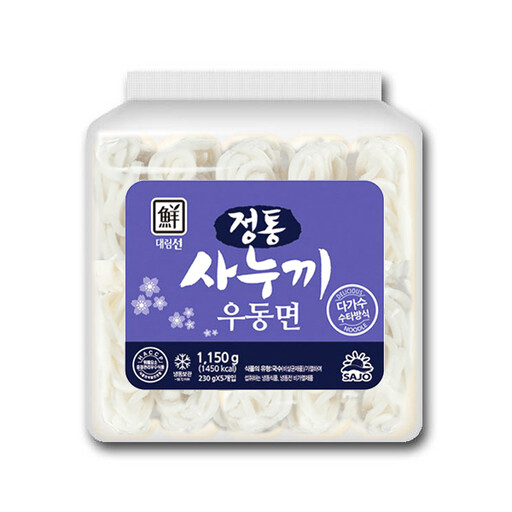
Why This Fits Their Persona: The 1,150g format suits shoppers who regularly cook Japanese meals and want a substantial supply for soups, cold noodle dishes and stir-fries.
It is a plain noodle format, so you are not paying for unwanted flavour sachets or toppings.
Sanuki-style thick, chewy noodles; 1.15kg pack; suitable for custom recipes; contains wheat.

Why This Fits Their Persona: Five pre-cooked 180g portions are convenient for quick lunches or evening meals when you want to add noodles directly to a prepared dish.
The product is ready to eat and can be heated for one to two minutes, reducing preparation compared with dried noodles.
900g five-pack; usable in soups, stir-fries or chilled dishes; refrigerate after opening and consume within two days.
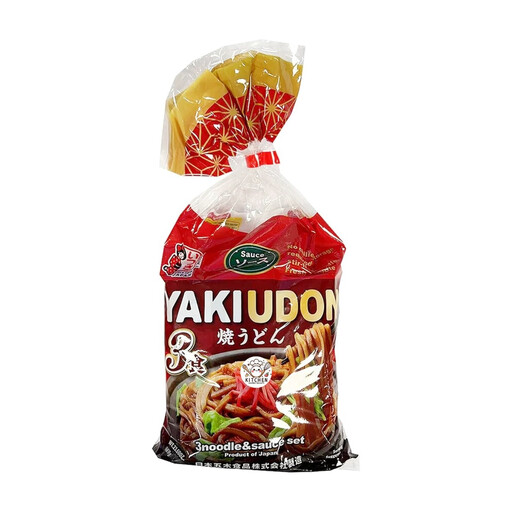
Why This Fits Their Persona: This three-piece kit is designed for plant-based yaki udon, making it suitable for shoppers who want a sauce-and-noodle base for vegetable or plant-based-protein meals.
The intended dish and sauce type are clearly specified, helping avoid buying plain noodles when a complete stir-fry base is required.
Three-piece 678g kit; brown sauce flavour; suitable for stir-frying with vegetables; contains wheat and soya.
For plain noodles, use plenty of boiling water and separate them gently. Drain well before stir-frying, as excess water can dilute the sauce and make the dish soft. For soup, add the noodles towards the end so they warm through without sitting in the broth for too long.
A simple yaki udon method is:
For instant products such as Korean-style udon, check whether the instructions call for boiling water, a microwave or a saucepan. Flavoured packs can be convenient for students and busy households, but the included seasoning may not suit every dietary requirement.
We have compiled a complete, real-time list of products that fully satisfy these strict selection criteria and UK safety regulations.
Plain udon noodles commonly contain wheat, water, salt and starch, but recipes differ. Flavoured soup sachets and sauces may contain fish, shellfish or meat-derived flavourings. Check the full ingredients list and allergen statement before buying plant-based udon.
Storage varies by product. Some ambient packs should be used promptly after opening, while refrigerated cooked udon may need to be consumed within two days. Frozen udon must remain frozen and should not be refrozen after defrosting. Follow the storage directions on the specific packaging.
Yes. Udon works well as stir-fry noodles when drained thoroughly and heated briefly with vegetables, protein and sauce. Pre-cooked noodles are convenient, while frozen udon can provide a firm, springy texture after loosening. Avoid overcooking to reduce the risk of a soft or sticky result.