
24/7 Customer Support

Free returns

Same-day & Next-day Delivery

Quality Guaranteed

Unlock Your Welcome Offers: FREE Delivery | Up to 80% OFF | Free 30-day JoyPlus trial
Download the APP
Udon noodles are a useful cupboard or fridge staple for quick lunches, comforting soups, hot pots and yaki udon stir-fries. However, the pack in front of you may be dried, cooked, frozen or instant, and each format suits a different cooking routine.
Marketing language can also make comparison difficult. “Authentic”, “restaurant-style” and “extra chewy” do not always explain how long the noodles take to prepare, how they should be stored or what is included in the seasoning sachets. This guide outlines the practical details to check before you buy udon noodles in the UK.
Some fresh udon noodles are refrigerated and require boiling, while cooked udon noodles may only need rinsing or brief heating. A product described as “fresh” is not automatically ready to serve. Check the usage instructions, storage conditions and post-opening advice before ordering.
For example, Miyatake Cooked Udon Noodles can be heated for 1–2 minutes or served cold, whereas J-Basket Joshu Udon 800g requires boiling for around 10–12 minutes.
Plain noodles let you control the broth, vegetables and toppings, but instant udon noodles often include a complete flavour sachet. These can be convenient, although the finished dish may contain considerably more salt or sugar than a plain noodle meal.
As a practical comparison, CJ Bibigo Korean Style Udon Noodle Korean BBQ Flavour lists 4.0g salt per 100g, while the seasoning contributes much of the product’s savoury, sweet taste. Always read the full nutrition panel rather than judging a pack by the noodle description alone.
A 150g or 200g pack may suit one quick meal, while a 1kg-plus bundle is more appropriate for families, batch cooking or regular noodle dishes. Larger packs can offer convenience per serving, but only if you have suitable storage and expect to use them before the stated date.
Most plain Japanese udon noodles contain wheat flour, water and salt, but some also include modified starch, acidity regulators or stabilisers. Wheat and gluten are common allergens, so check the bold allergen declaration on every product page and pack.
Flavoured Japanese udon noodles and Korean udon noodles may also contain soya, sesame, fish, shellfish, egg, milk or mustard. Nongshim Tempura Udon Cup Noodle, for instance, contains wheat, egg, milk, soya, fish, shrimp and cuttlefish. It is therefore not suitable for people avoiding seafood or several common allergens.
For vegetarian meals, choose plain noodles and add tofu, mushrooms or vegetables, or select a product specifically described as plant-based. ITSUKI Plant Based Yaki Udon Brown Sauce Flavour contains wheat and soya, so the ingredient list still needs checking if you are managing allergies.
Traditional udon is generally thick, smooth and chewy, but texture varies according to format and preparation. For a rich udon noodle soup, choose noodles that can withstand simmering. For yaki udon, pre-cooked or fresh noodles can be convenient because they loosen quickly in a wok.
Very wide noodles, such as Hanayama Onihimokawa Udon, create a different eating experience and can carry broth or sauce across their broad surface. They need cooking and should not be eaten raw. For everyday stir-fries, standard 200g packs are easier to portion.
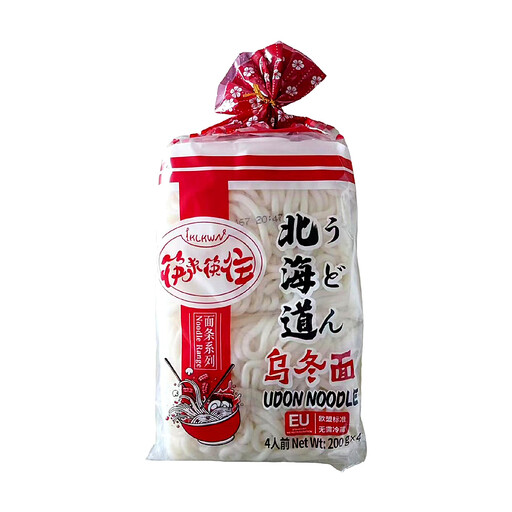
Why This Fits Their Persona: Four 200g portions provide a straightforward starting point for students, couples or households trying different soups and stir-fries without committing to a very large bundle.
The pack clearly states that cooking is required and gives a short 2–3 minute cooking time, avoiding confusion between ready-to-eat and boil-before-use noodles.
800g total quantity, thick noodles and suitability for soup, stir-fry and hot-pot dishes.
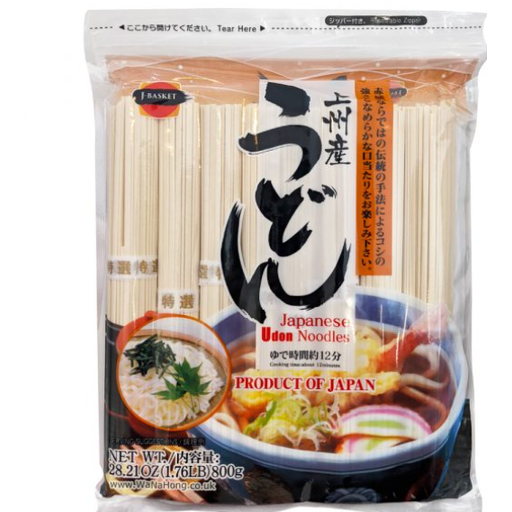
Why This Fits Their Persona: A Japanese-made option for cooks who want a simple wheat-flour noodle base for traditional soups, nabe hot pots and creative recipes.
The listing specifies cooking time, rinsing advice and refrigeration, so buyers can plan around its preparation and storage needs.
Ingredients are wheat flour, water and salt; the 800g pack works for multiple meals.
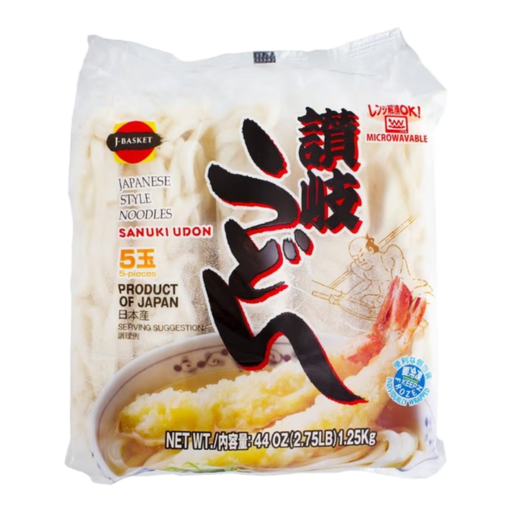
Why This Fits Their Persona: The five-pack format suits families, frequent home cooks and anyone preparing regular bowls of soup, stir-fried noodles or hot-pot meals.
The total 1.25kg quantity is clear, making it easier to compare value by portion rather than by the front-of-pack appearance.
Five individually packed portions and a plain flavour that can be paired with different broths and sauces.

Why This Fits Their Persona: Pre-cooked portions reduce preparation time when you need a fast lunch or dinner after work.
The instructions state that the noodles are ready to eat, can be heated for 1–2 minutes and should not be overcooked.
Five 180g portions, suitable for hot soups, stir-fries, salads or chilled dishes.
We have compiled a complete, real-time list of products that fully satisfy these strict selection criteria and UK safety regulations.
Plain udon noodles are often made from wheat flour, water and salt, but recipes vary. Flavoured or instant udon noodles may contain fish extracts, seafood, meat-style seasonings or animal-derived ingredients. Check the full ingredients list. Plant-based yaki udon products can be an option, although wheat and soya may still be present.
It depends on the format. Instant udon may take around two to four minutes, cooked noodles can require only one to two minutes of heating and dried udon may need approximately 8–12 minutes. Frozen udon should be prepared according to its packaging instructions.
Cooked, fresh or vacuum-sealed noodles are convenient for yaki udon because they loosen quickly in a hot wok. Plain varieties allow you to control the sauce and toppings, while prepared options such as ITSUKI Plant Based Yaki Udon include a brown sauce sachet for a quicker meal. Always check allergens and heat the finished dish thoroughly.