
24/7 Customer Support

Free returns

Same-day & Next-day Delivery

Quality Guaranteed

Unlock Your Welcome Offers: FREE Delivery | Up to 80% OFF | Free 30-day JoyPlus trial
Download the APP
Thick, springy udon noodles are useful for far more than a bowl of soup. They work in stir-fries, hot pots, chilled dishes and quick student meals. However, the pack that looks convenient on a supermarket shelf may not suit your cooking routine.
The main buying traps are easy to overlook:
A suitable choice depends on whether you prioritise speed, texture, portion size, flavour or flexibility.
Cooked udon noodles are generally the quickest option. They can usually be loosened in hot water, added to a soup or stir-fried for around 1–2 minutes. Vacuum-sealed ambient packs are practical for cupboards, although opened packs often need refrigeration and prompt use.
Fresh udon noodles usually offer a soft, resilient texture but may have shorter storage instructions. Keep refrigerated where stated and avoid assuming that a product can be frozen.
Frozen udon noodles are useful for batch cooking and hot pots. They need freezer space and should not normally be refrozen after thawing. Always follow the pack instructions for defrosting and use within the stated time.
Dried udon noodles are convenient to store and can provide a firmer bite, but they take longer to prepare. Some dried Japanese udon noodles require approximately 8–12 minutes of boiling, followed by draining and rinsing.
The appeal of udon lies in its substantial, chewy texture. Thick strands are suited to broths and hot pots because they remain noticeable alongside vegetables, tofu or meat. They also work well in yaki udon noodles, where a springy noodle helps carry the sauce.
Very wide noodles, such as oni himokawa udon, create a different eating experience and may need gentle handling during cooking. For everyday meals, standard thick strands are easier to portion and combine with stir-fried ingredients.
Look for cooking guidance rather than relying only on descriptions such as “authentic” or “traditional”. A one-minute cooking instruction, for example, indicates a different preparation style from a dried noodle requiring 10 minutes.
Plain udon commonly contains wheat flour, water and salt, but some products include modified starch, gluten, acidity regulators or stabilisers. These ingredients can affect how the noodles hold together after heating.
For flavoured Korean udon noodles, examine the sauce and topping sachets separately. CJ Bibigo Korean Style Udon Noodle Korean BBQ Flavour 187g includes a barbecue-style sauce and seaweed sesame topping, while its listed allergens include wheat, soy and sesame. The product information also lists 4.0g salt per 100g, so it may suit shoppers who want a strongly seasoned meal but is worth checking carefully if you are comparing salt levels.
If you are seeking vegetarian udon noodles, inspect the entire ingredient list. Plain noodles may be suitable for a vegetarian recipe, but soup powders, bonito flavouring, fish extracts or meat-style sauces can change that. “Japanese style” or “Korean style” does not automatically indicate a vegetarian product.
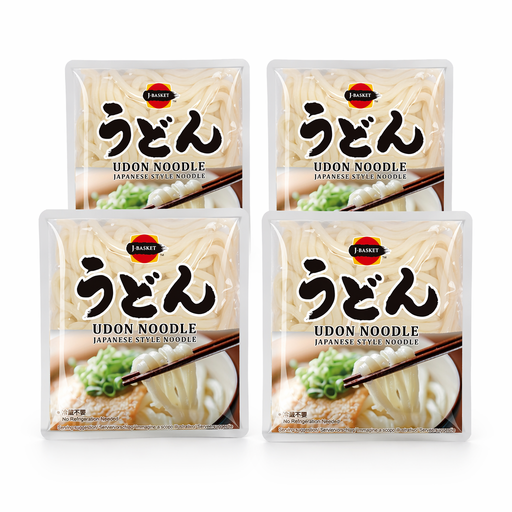
Why This Fits Their Persona: Four 200g portions make this a practical starting point for students, couples and shoppers who want to try udon without committing to a large catering-size pack.
The pack clearly states a one-minute boiling time, helping avoid the mistake of treating a quick-cook noodle as a long-boil dried product.
Four individual 200g packs; suitable for yaki udon, soups and vegetarian recipes when paired with appropriate ingredients.
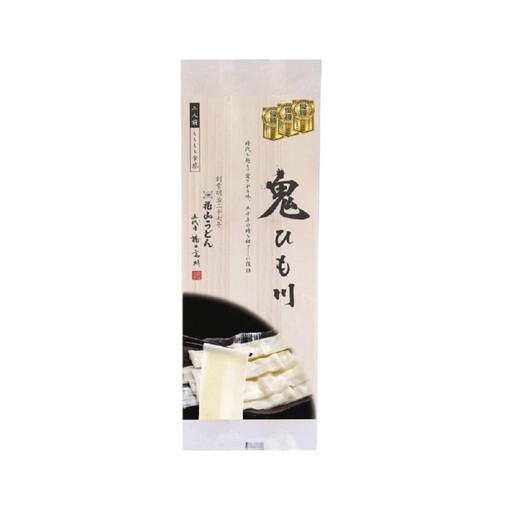
Why This Fits Their Persona: Shoppers interested in distinctive Japanese noodle styles may appreciate the unusually wide cut for composed soup bowls, curry udon and hot-pot dishes.
Its dried format and cooking requirement are stated clearly, so buyers can plan for boiling rather than expecting instant preparation.
Wide Japanese-style strands; ingredients list wheat flour and salt, with soba cross-contact information provided.
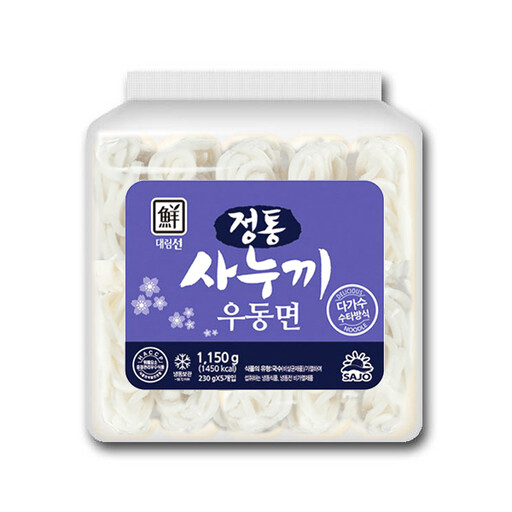
Why This Fits Their Persona: Families, batch cooks and frequent Asian-cuisine home cooks can use the 1,150g pack across several meals, from broth to stir-fry.
The large net quantity makes the cost-per-serving easier to assess, while storage guidance highlights refrigeration after opening.
1,150g pack size; suitable for hot dashi broth, cold noodle salads and stir-fries.

Why This Fits Their Persona: Five pre-cooked packs suit quick weekday lunches and dinners when there is little time for boiling dried noodles.
The instructions specify hot-water rinsing or a brief 1–2 minute boil, reducing the risk of overcooking through prolonged preparation.
900g total across five packs; usable hot or cold in soups, stir-fries and salads.
We have compiled a complete, real-time list of products that fully satisfy these strict selection criteria and UK safety regulations.
Plain udon noodles can be used in vegetarian meals, but the noodle itself does not determine whether the finished product is vegetarian. Check soup powders, sauces and toppings for fish, shellfish, bonito, meat flavourings or animal-derived ingredients. Some products are specifically described as plant-based, such as a plant-based yaki udon kit, but the packaging remains the final reference.
Pre-cooked udon noodles generally need brief heating, while instant udon noodles may only require boiling water or microwave preparation. Dried udon noodles usually take longer because they must be boiled until tender. Always follow the cooking time printed on the selected pack.
Storage depends on the format. Ambient products can usually remain in a cool, dry cupboard until opened. Refrigerated products must stay chilled, and frozen udon noodles should remain at -18°C. Once opened, follow the product’s specific instructions and do not refreeze a thawed product unless the packaging explicitly permits it.