
24/7 Customer Support

Free returns

Same-day & Next-day Delivery

Quality Guaranteed

Unlock Your Welcome Offers: FREE Delivery | Up to 80% OFF | Free 30-day JoyPlus trial
Download the APP
Udon noodles are a practical staple for UK kitchens, whether you are preparing a warming noodle soup, yaki udon noodles with vegetables or a quick meal between lectures and shifts. Their thick, chewy texture works well with broth and sauces, but not every pack offers the same preparation time, storage requirements or serving format.
A low price can also be misleading. Before adding Japanese udon noodles to your basket, check whether you are buying dried, cooked, frozen or instant udon noodles and whether the pack includes seasoning sachets. These details affect convenience, portion control and the final flavour.
Dried udon noodles are shelf-stable and useful for stocking a cupboard, but they commonly require around 8–12 minutes of boiling, followed by draining and sometimes rinsing. That is different from fresh udon noodles or cooked udon noodles, which may need only brief heating.
Some ambient packs are pre-cooked or vacuum-sealed, while others are fully dried. Always read the cooking instructions rather than relying on phrases such as “quick preparation”.
Udon noodles may be sold as a plain ingredient, a soup kit or a flavoured instant meal. Tonkotsu, tomato beef and tteokbokki-style products include sauces, oils or seasoning powders, which can substantially change the allergen and salt information.
For a flexible ingredient, choose plain noodles and add your own stock, vegetables and protein. For convenience, a complete kit may save time but gives you less control over seasoning.
Udon is generally made with wheat flour, so wheat and gluten are key allergens to check. Some products also contain soya, fish, shellfish, egg, milk or sesame, particularly soup kits and cup noodles.
Storage varies considerably:
For a cupboard staple, dried udon noodles such as Jin Sha He Udon Dried Noodles 1kg or Obento Udon Noodle 800g offer a larger quantity, but allow time for boiling. They are suited to batch cooking, hot pots and recipes where the noodles can absorb broth.
Pre-cooked options are more suitable for busy professionals, students and quick weekday lunches. Miyatake Cooked Udon Noodles, for example, are supplied in five packs totalling 900g and can be heated briefly or added to soup and stir-fries. Some products, including Itsu Udon Noodles 150g, can be added directly to a hot soup or wok according to the dish instructions.
Udon is recognised for its thick, springy bite, but texture can vary between formats. Sanuki udon is associated with a firm, chewy texture, while wider noodles such as the HANAYAMA Onihimokawa variety create a broader surface for sauces and soup.
For yaki udon noodles, look for wording such as “thick”, “smooth” and “chewy”, then follow the cooking time carefully. Overcooking can make noodles soft and difficult to stir-fry without breaking.
A single 200g pack can suit one generous meal, while an udon noodles multipack is more convenient for families or regular meal preparation. The Kuai Lai Kuai Wang 4-Pack contains four 200g portions, making it easier to plan individual servings. Larger packs, such as 800g, 1kg or 1.25kg, may offer better cupboard value but need suitable storage after opening.
Check whether the stated nutrition applies to dried or cooked noodles. Dried products weigh more after boiling because they absorb water, so comparing figures across formats without checking this point can give an inaccurate impression.

Why This Fits Their Persona: A manageable 200g portion suits first-time buyers, solo meals and students who want a plain base for soup or stir-fry without committing to a large pack.
The listing clearly states that cooking is required, with a 2–3 minute boiling time, so it is not mistaken for a ready-to-eat product.
Plain thick noodles; suitable for soups, hot pots and stir-fries. Contains wheat and wheat gluten.
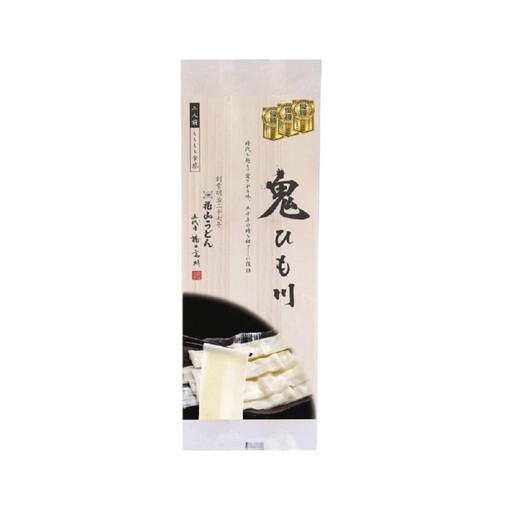
Why This Fits Their Persona: The wide-cut format offers a distinctive way to serve traditional-style udon soup, curry udon or a substantial hot-pot meal at home.
It is identified as a dried product made in Japan, with clear instructions to simmer and cook thoroughly rather than eat raw.
Made in Japan; wide Onihimokawa cut; ingredients listed as wheat flour and salt. May contain soba.
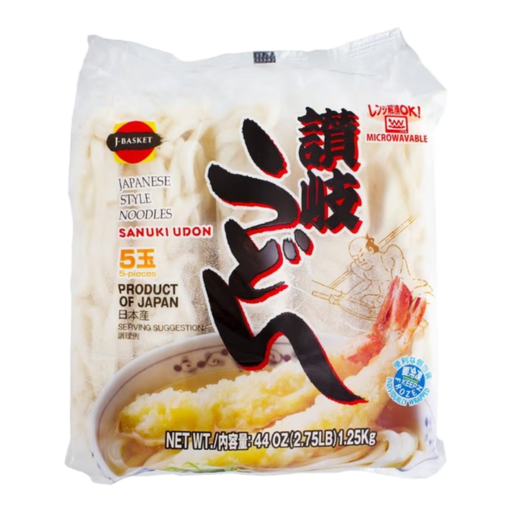
Why This Fits Their Persona: Five individual packs are practical for families, meal planners and regular cooks preparing soups, stir-fry noodles or hot-pot dishes.
The pack format makes portions easier to manage, while the one-minute cooking instruction helps reduce the risk of overcooking.
1.25kg total quantity; individual 200g-style portions; suitable for vegetarian recipes. Contains wheat and may contain soya.
We have compiled a complete, real-time list of products that fully satisfy these strict selection criteria and UK safety regulations.
For a simple udon noodle soup, heat a dashi-style or vegetable stock and add cooked noodles near the end so they warm without becoming soft. Add spring onions, mushrooms, tofu, greens or a boiled egg according to your preference.
For yaki udon, boil or heat plain noodles first, drain thoroughly, then stir-fry vegetables and protein before adding the noodles and sauce. A small amount of sesame oil can help separate the strands. Vegetarian udon noodles pair well with mushrooms, cabbage, peppers and tofu; check sauce ingredients if you need a fully plant-based meal.
Instant products with seasoning sachets are convenient for a single serving, but review salt and allergen information before adding extra soy sauce or stock.
Plain udon noodles are often suitable for vegetarians when made from wheat flour, water, starch and salt. However, soup sachets and flavoured kits may contain fish, seafood or meat-style ingredients. Check the full ingredients list and vegetarian suitability on each product page and its packaging.
Dried udon noodles can generally be kept in a cool, dry place when sealed properly, subject to the stated date. Chilled or cooked udon noodles usually need refrigeration after opening and should be consumed within the period shown on the packaging. Frozen udon must remain frozen and should not be refrozen after defrosting.
Yes. Udon works particularly well as stir-fry noodles because its thick strands carry sauces and vegetables. Cook or heat the noodles according to the pack instructions, drain well and finish them in a hot wok or frying pan for a short time. This helps retain a springy texture.