
24/7 Customer Support

Free returns

Same-day & Next-day Delivery

Quality Guaranteed

Unlock Your Welcome Offers: FREE Delivery | Up to 80% OFF | Free 30-day JoyPlus trial
Download the APP
Udon noodles are a staple in many kitchens, celebrated for their thick, chewy texture and remarkable versatility. Whether you're a busy professional needing a five-minute meal, a home cook exploring authentic Japanese cuisine or someone seeking healthier noodle alternatives, the world of udon has something to offer. However, with so many options available online, from instant pots to traditional dried varieties, choosing the right one can be a challenge.
This guide is designed to help you navigate the choices and find the perfect udon noodles for your pantry. We will look at the different types available and highlight some standout options to make your next meal both simple and satisfying.
Before you buy udon noodles online UK, considering a few key factors can ensure you get the best fit for your culinary needs.
The format of the noodle often dictates its preparation time and texture.
Korean udon and Japanese udon options in this format.konjac udon is made from the konjac yam. These are low calorie noodles, often containing minimal carbohydrates, making them a popular choice for those on specific dietary plans. They come pre-hydrated and only need to be rinsed and heated.The character of udon is defined by its simple ingredients, primarily wheat flour, water and salt. Authentic Japanese udon is prized for its texture, which comes from specific types of wheat flour. If authenticity is your goal, look for products made in Japan with minimal additives. For flavoured or instant udon noodles, check the sauce ingredients to ensure they align with your taste preferences, whether you favour a savoury Japanese dashi broth or a spicy Korean chilli sauce.
Here are a few carefully selected options available on Joybuy, each catering to a different need and preference.
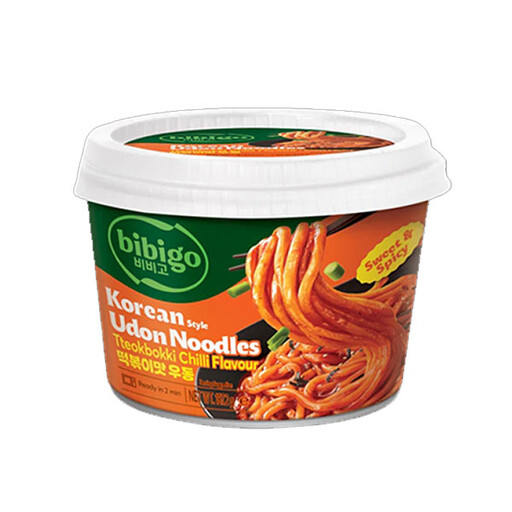
Why It Stands Out: This product offers a brilliant fusion of two beloved Korean dishes: the chewy texture of udon and the iconic spicy-sweet flavour of Tteokbokki (spicy rice cakes). It delivers an authentic Korean street food experience with remarkable convenience.
Pros:
Who is it for? This is an excellent choice for students, busy professionals or anyone craving a bold, spicy and convenient meal. If you're a fan of Korean flavours and need a quick fix, this is for you.
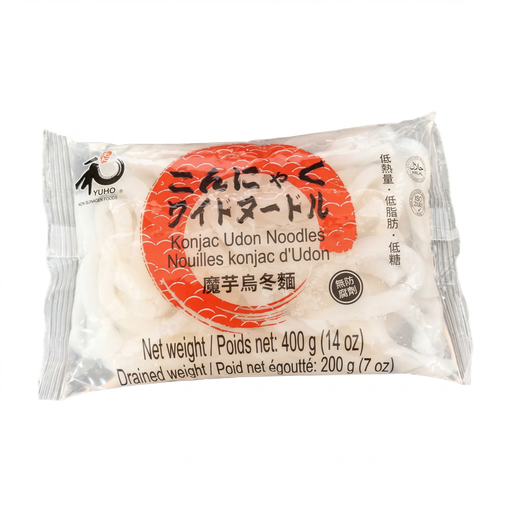
Why It Stands Out: As a konjac udon, this product's primary feature is its nutritional profile. With just 6 kcal per 100g and virtually zero fat, it's one of the lightest noodle options available. It provides the satisfying slurp of udon without the carbohydrates.
Pros:
Who is it for? Anyone prioritising health, managing their calorie intake or following a specific diet will find these low calorie noodles to be a fantastic substitute for traditional wheat-based noodles.
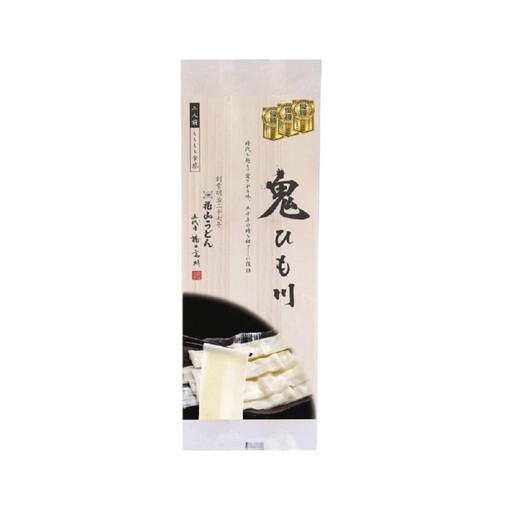
Why It Stands Out: These are authentic dried udon noodles from Japan, known for their unique "Onihimokawa" or "demon's rope" shape—exceptionally wide and flat. Made with premium Japanese wheat, they offer a superior chewy texture and wholesome flavour that serves as a perfect canvas for traditional dishes.
Pros:
Japanese udon.Who is it for? Foodies and home cooks who appreciate authenticity and want to create genuine Japanese noodle dishes from scratch. If texture and quality ingredients are your priority, these dried udon noodles are an excellent choice.
Our recommendations cover a range of needs, but the world of udon is vast. If you're looking for different flavours, textures or brands, there are many more varieties to discover.
? Explore our full collection of Chewy Udon to find your next favourite.
The primary difference lies in the ingredients and texture. Udon noodles are thick, soft and chewy, made from wheat flour, water and salt. Ramen noodles are generally thinner and springier, as they are made with wheat flour and an alkaline agent called kansui, which gives them their characteristic yellow colour and firm bite.
Standard wheat-based udon noodles are a source of carbohydrates and can be part of a balanced diet, especially when paired with vegetables and lean proteins. For those seeking a lower-calorie or lower-carbohydrate option, konjac udon is an excellent alternative, offering a similar noodle experience with significantly fewer calories.
Cooking dried udon noodles is similar to cooking pasta. Bring a large pot of water to a rolling boil (do not add salt, as the noodles already contain it). Add the noodles and cook according to the package instructions, typically for 8-12 minutes, until they are tender but still have a pleasant chew. Once cooked, drain them and rinse briefly under cold water to remove excess starch before adding them to your soup or sauce.