
24/7 Customer Support

Free returns

Same-day & Next-day Delivery

Quality Guaranteed

Unlock Your Welcome Offers: FREE Delivery | Up to 80% OFF | Free 30-day JoyPlus trial
Download the APP
Welcoming a new baby is an exciting time, but navigating the world of baby products can feel overwhelming. The market is filled with items promising to make parenting easier, yet many new parents in the UK find themselves with cupboards full of things that are either impractical or quickly outgrown. As the Joybuy Product Recommendation Officer, my role is to help you cut through the clutter and focus on what truly matters.
Before you start adding to your basket, let's look at a few common pitfalls that can lead to wasted money and frustration:
To build a practical and safe new parent starter kit, focus on a few core parameters rather than marketing claims. These are the details that determine a product's true value and safety.
When selecting baby care products and feeding supplies, safety certifications are not optional extras. Here’s what to look for:
A product that is perfect for a six-month-old may be unsuitable or even unsafe for a newborn. Age-grading is crucial for both safety and developmental support.
The most valuable baby must-haves are often those that are simple, durable and serve a genuine, long-term purpose. Before buying, ask yourself: Is this easy to clean? Is it portable? Can it adapt as my baby grows? A travel cot that converts into a playpen, for example, offers far better value than a single-use bassinet.
To help you start, we've matched some key products to the needs of different parents. These selections are based on their practical features and how they address the common challenges of shopping for a new baby.
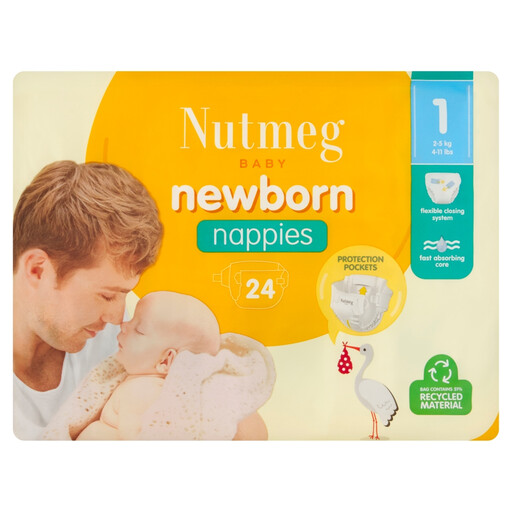
Why This Fits Their Persona: For parents building their first baby kit, focusing on reliable basics is key. These nappies are a core necessity, designed with practical features for newborns without unnecessary frills or a high price tag.
This avoids the "boutique brand" trap by offering essential, high-performance features like a wetness indicator and cord-friendly comfort at a practical price point.
The fast-absorbing core with channel technology and anti-leak leg cuffs provide reliable protection, which is a top priority for any new parent.
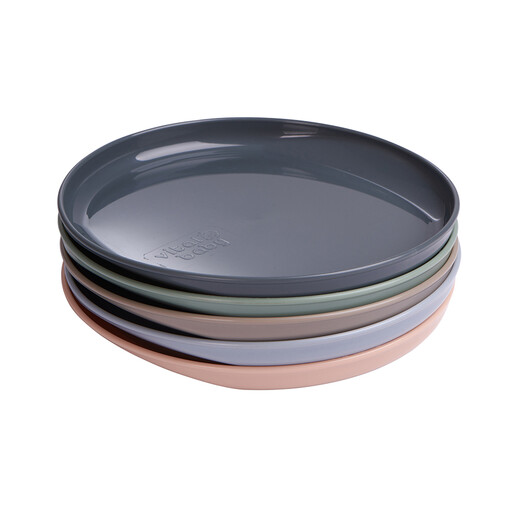
Why This Fits Their Persona: For parents prioritising sustainability, these plates offer a solution that is both practical for daily use and responsible. They are designed to be durable for toddlerhood while considering their end-of-life impact.
It directly counters the pitfall of overlooking materials by making its eco-credentials and safety (BPA, latex and phthalate-free) its main features, proving that practical design and sustainability can coexist.
The innovative EarthSmart technology ensures the plates biodegrade in landfill conditions. They are also stackable, microwave-safe and feature scooped sides to help toddlers learn to self-feed.
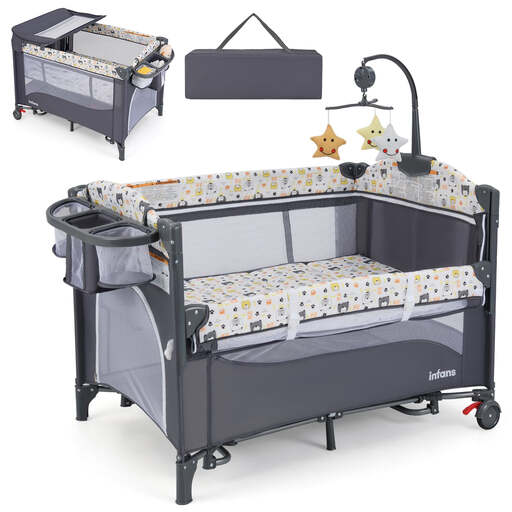
Why This Fits Their Persona: For families who travel, visit relatives or have limited space, this unit consolidates several bulky items into one portable package. It adapts from a newborn's bedside sleeper to a toddler's playpen.
This is an example of a "do-it-all" product done right. It avoids the gadget trap by offering distinct, genuinely useful functions (cot, changer, playpen) that provide real value, rather than just adding gimmicks.
Its tool-free folding mechanism and included carry bag make it genuinely portable. The design grows with the child, offering excellent long-term value from 0-3 years.
We have compiled a complete, real-time list of products that fully satisfy these strict selection criteria and UK safety regulations.
For the first week, focus on the core necessities for feeding, sleeping and changing. This includes:
Newborns can go through a surprising number of nappies. It's common to use between 10 and 12 nappies every 24 hours in the first few weeks. It's a good idea to have at least two or three packs of newborn-sized nappies on hand before the baby arrives.
Many expectant parents start shopping around the 20-week mark, after their mid-pregnancy scan. This gives you plenty of time to research products, compare prices and spread the cost. It's wise to have all the major items—like the car seat, sleeping space and a basic stock of nappies and clothes—ready by the time you are 36-37 weeks pregnant, just in case your little one decides to make an early appearance.