
24/7 Customer Support

Free returns

Same-day & Next-day Delivery

Quality Guaranteed

Unlock Your Welcome Offers: FREE Delivery | Up to 80% OFF | Free 30-day JoyPlus trial
Download the APP
Choosing biscuits and cookies online can seem straightforward until you compare pack sizes, ingredients, allergens and serving formats. A product that looks good value may contain fewer portions than expected, while a “lighter” option may simply use a different sweetener or smaller biscuit.
This guide cuts through common marketing language and highlights the details that matter when buying biscuits and cookies, from chocolate biscuits and butter cookies to savoury crackers, wafer biscuits and dietary-friendly snacks.
A large pack is not automatically better value. Check the net weight, number of individual packs and suggested serving size. A 400g twin pack may suit a family or office, while smaller individually wrapped biscuits can reduce waste and make lunchbox portions easier to manage.
For sharing, assorted biscuits can offer variety, but a mixed selection may include flavours nobody chooses. For personal snacks, smaller packs may be more practical even when the price per 100g is higher.
No added sugar biscuits can still contain naturally occurring sugars and may use sweeteners such as maltitol. For example, Gullon Zero No Added Sugar Cookies and Cream lists 2.4g of sugars and 9g of fibre per 100g, while also carrying a warning that excessive consumption may produce a laxative effect.
Read the nutrition panel rather than relying on front-of-pack wording. Compare energy, sugars, saturates, fibre and salt per 100g, then check the serving size.
Wheat, milk, soya, eggs, nuts, barley and oats appear frequently in biscuits and cookies. “Vegan” does not mean free from soya, wheat or possible milk traces, and gluten-free biscuits still require careful label checking for suitability.
Always review the latest packaging, particularly when buying imported or speciality biscuits. Recipes, responsible-person details and allergen statements can change.
Start with the allergen declaration, then review the full ingredients list. A gluten-free biscuit should be clearly labelled as such; Schär Gluten Free Digestive Biscuits are listed as free from wheat but contain soya and may contain lupin.
For vegan biscuits, confirm that milk, egg and other animal-derived ingredients are absent. For butter cookies, check whether butter is a principal ingredient and remember that these products are generally unsuitable for milk-free diets.
Per-100g figures make different products easier to compare. A chocolate biscuit may have a higher sugar or saturated-fat content than a plain oat biscuit, while a savoury cracker can contain more salt than expected.
Per-portion information is useful for individually wrapped biscuits and lunchbox snacks. Cadbury Mini Animals, for example, lists approximately 97 calories per 19.9g pack. This describes the stated portion, not a general health benefit.
Consider where the biscuits will be stored and eaten:
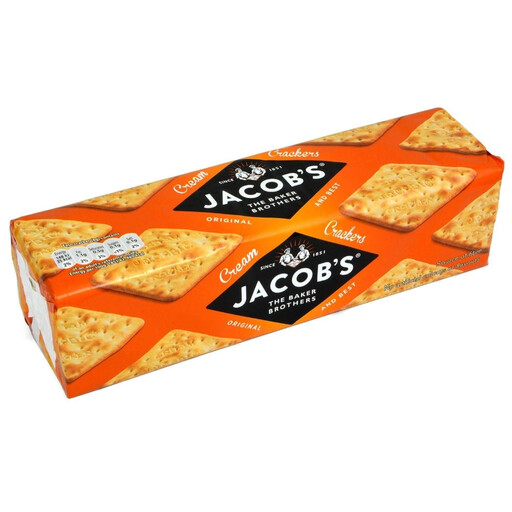
Why This Fits Their Persona: A familiar savoury option for cheese, soup, salads or simple snacks, making one pack useful across several everyday meals.
The 300g net weight is clearly stated, so buyers can compare it with other savoury crackers on a like-for-like basis. Store airtight after opening to reduce sogginess.
Light, crisp texture; suitable for versatile savoury toppings. The listed ingredients include wheat flour, vegetable oil, salt, raising agent and yeast.

Why This Fits Their Persona: A 375g tin is suited to afternoon tea, hosting and gifting when presentation and a traditional butter-cookie style matter.
The ingredients identify butter, wheat flour and egg yolk, making the product’s style easier to assess than relying on premium-looking packaging alone.
Ready to eat; suitable for pairing with tea, coffee or milk. The product is listed as halal, with wheat, milk and egg allergens declared.

Why This Fits Their Persona: Five individually wrapped wafer biscuits suit lunchboxes, commuting, office drawers and controlled sharing.
The pack format gives a clear five-serving structure, avoiding the need to divide a larger open bag. Check the declared hazelnut, milk, wheat and soya allergens before purchase.
Individually wrapped; hippo-shaped wafer with milk and hazelnut filling. The listed product description states no artificial colours or preservatives.
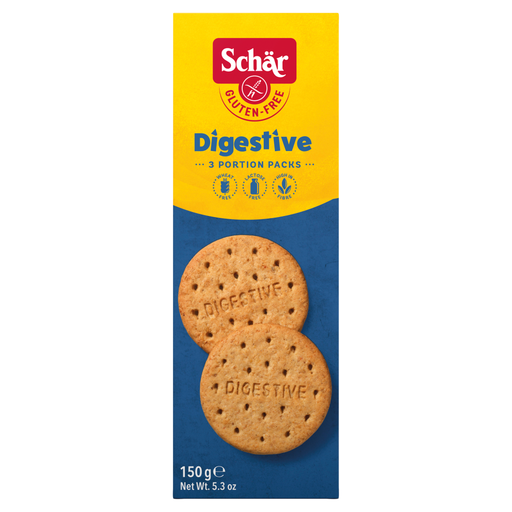
Why This Fits Their Persona: A wheat-free biscuit option for shoppers specifically looking for gluten-free biscuits for tea breaks or everyday snacking.
The product is identified as gluten-free and wheat-free, while the allergen information still declares soya and possible lupin. This reinforces the need to check the full label.
150g pack; approximately 49 calories per 10g biscuit according to the supplied nutrition information. Store in a cool, dry place.
We have compiled a complete, real-time list of products that fully satisfy these strict selection criteria and UK safety regulations.
This depends on texture and flavour. Butter cookies, oat biscuits, plain biscuits and chocolate biscuits are common tea-time choices. Savoury crackers work better with cheese or spreads. Check pack size and storage instructions if the biscuits will be kept open for several days.
Not always. They can reduce waste and make portions convenient for offices, school bags and travel, but the price per 100g may be higher. Compare the total weight and number of portions before buying.
Keep unopened packs in a cool, dry place away from direct sunlight and heat. Once opened, reseal the packet or transfer the biscuits to an airtight container. This is particularly important for crackers and wafer biscuits, which can lose their crispness quickly in humid conditions. Always follow the best-before information and avoid products with damaged packaging.