
24/7 全天候客户支持

免费退货

当日/次日达

品质保障

开启新人专享福利: 全场免邮 | 低至 2 折 | 免费试用 30 天 JoyPlus 会员
下载 Joybuy
Navigating the world of outdoor equipment can feel like trekking through a dense forest. With so much marketing clutter, it's easy to end up with hiking gear that looks the part but fails when you need it most—especially during an unpredictable British downpour. As a Joybuy Product Recommendation Officer, my role is to help you sidestep common purchasing mistakes and identify gear that offers genuine value and performance.
Before you spend your hard-earned money, let's look at a few common pitfalls that catch out even seasoned walkers.
To choose reliable outdoor equipment, you need to look beyond the marketing and analyse a few core parameters. These details determine whether your gear will be a trusted companion or a frustrating burden.
The size of your hiking backpack dictates what you can carry. For short day hikes, a 20-25L pack is often sufficient for a waterproof layer, water and snacks. For multi-day adventures or camping gear, you'll need a 45L+ pack.
However, capacity is meaningless without a proper support structure. Look for these features:
The fabric of your gear is its first line of defence. Instead of generic terms, look for specific metrics.
We've matched some standout pieces of hiking gear to different types of outdoor enthusiasts. This isn't about finding the "best" product, but the right product for your specific needs.
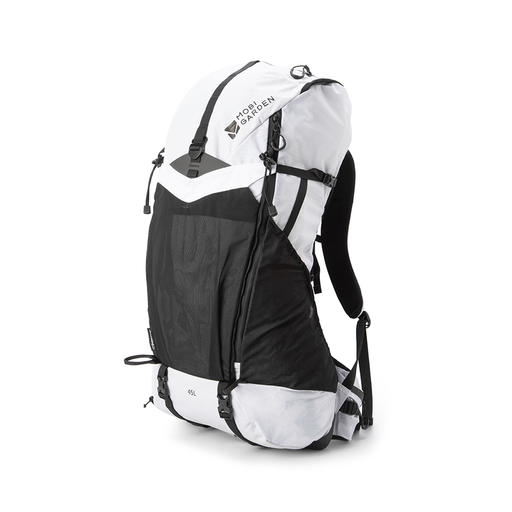
Why This Fits Their Persona: For the serious hiker tackling multi-day routes like the West Highland Way, this 45L pack has the capacity for a lightweight tent and supplies, while its advanced materials keep weight to a minimum.
It sidesteps the ultralight trap by using Dyneema fabric, which is exceptionally tear-resistant and strong for its weight. The 3D suspended back panel provides superior ventilation, avoiding the discomfort of a sweaty back.
A well-judged balance of low weight, high durability and a sophisticated, comfortable carrying system. Multiple external attachment points add versatility.
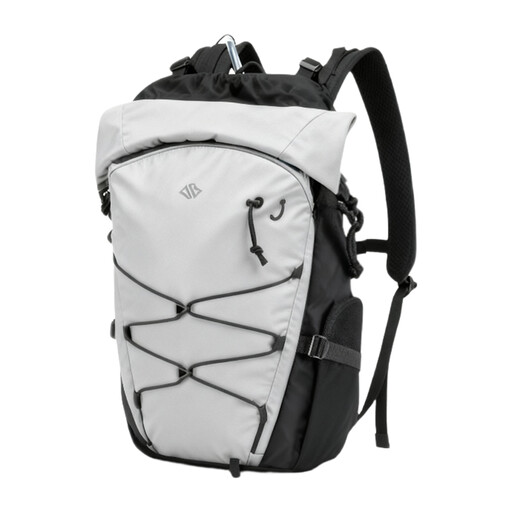
Why This Fits Their Persona: Ideal for those who enjoy day trips in the countryside or need a versatile pack for daily use. The 25L capacity is perfect for essentials without being bulky, and it meets most airline carry-on requirements.
It avoids the comfort pitfall by including an ergonomically designed breathable back panel, a feature often missing in affordable daypacks. This ensures comfort even during extended wear on a warm day.
A practical and lightweight design with a focus on carrying comfort. Its versatile size makes it suitable for both trail and city use.
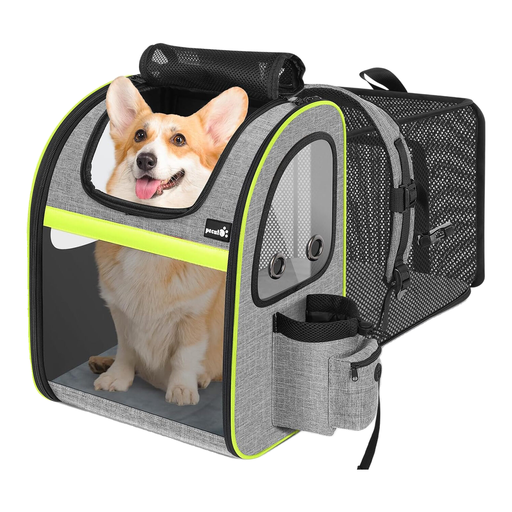
Why This Fits Their Persona: For the UK walker who never leaves their four-legged friend behind. This pet carrier backpack is designed for the comfort and safety of small dogs or cats on trails, public transport or trips to the vet.
It prioritises pet welfare over simple containment. The expandable back panel and multiple mesh windows provide excellent ventilation and space, preventing the stress and overheating common in poorly designed carriers.
Focus on safety with lockable zippers and an internal safety strap. The ergonomic shoulder and waist straps ensure the owner's comfort too.
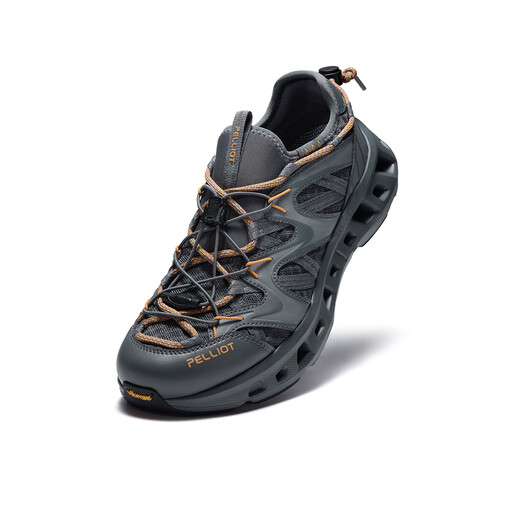
Why This Fits Their Persona: Perfect for coasteering in Pembrokeshire, gorge scrambling in the Brecon Beacons or any hike involving stream crossings. These men's water shoes are built for amphibious adventures.
It completely bypasses the "waterproof" illusion by being designed to get wet and dry quickly. Its rapid drainage system expels water instantly, preventing the waterlogged feeling of a soaked boot.
The Vibram Megagrip outsole provides outstanding traction on wet, slippery rocks. The quick-lace system allows for fast adjustments after wading through water.
We have compiled a complete, real-time list of products that fully satisfy these strict selection criteria and UK safety regulations.
The most important measurement for a hiking backpack is your torso length, not your overall height. To measure it, tilt your head forward to find the prominent C7 vertebra at the base of your neck. Then, find the top of your hip bones (the iliac crest). The distance between these two points is your torso length. Most quality packs come in different sizes or have an adjustable back panel to match this measurement, ensuring the hip belt sits correctly.
The "PU" stands for polyurethane coating, and the number is a hydrostatic head (HH) rating in millimetres. A rating of PU2000mm means a column of water 2,000mm high could be placed on the fabric before any water leaks through. For 3-season UK use, a rating of 1500-3000mm on the outer tent is generally sufficient to handle moderate and persistent rain. Anything less may struggle in more than a brief shower.
It depends entirely on the material. The most effective ultralight backpack and camping gear use advanced fabrics like Dyneema or high-denier ripstop nylons (e.g., 100D or higher) that are engineered for high abrasion and tear resistance despite their low weight. Cheaper ultralight gear may use thinner, less robust fabrics that are not suitable for contact with abrasive rock surfaces. Always check the material specifications, not just the weight.