
24/7 全天候客户支持

免费退货

当日/次日达

品质保障

开启新人专享福利: 全场免邮 | 低至 2 折 | 免费试用 30 天 JoyPlus 会员
下载 Joybuy
Keeping a home clean and comfortable often feels like a never-ending cycle of restocking. With shelves overflowing with promises of miracle cleaning and effortless shine, it’s easy to fall into common purchasing traps. As a Joybuy Product Recommendation Officer, my role is to help you see past the marketing jargon and choose the right household essentials that offer genuine value and performance for your home.
Before you fill your basket, let’s look at a few pitfalls that many UK shoppers encounter:
To avoid these issues, focus on a few key factors that determine a product's true suitability and value. This ensures your cleaning supplies work for you, not against you.
The ingredients list is your most reliable guide. Understanding a few basics can protect both your home and your family.
The sticker price is only part of the story. A smarter approach is to consider the cost per application.
Instead of a generic list, we've matched some practical household essentials to the people who need them most.
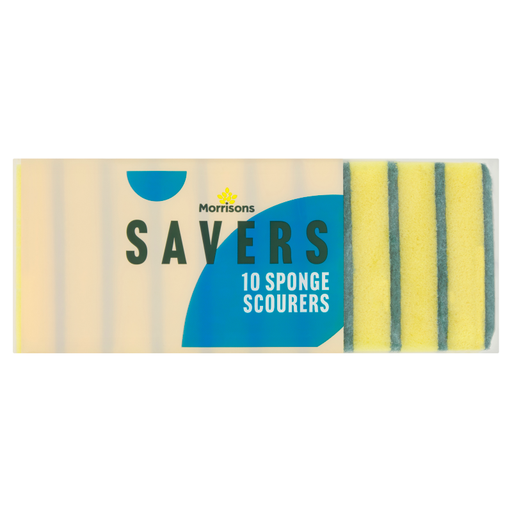
Why This Fits Their Persona: For families and individuals keeping a close eye on their budget, this 10-pack offers a straightforward, no-frills solution for daily washing up. It delivers exactly what's needed for everyday cleaning without the premium price tag.
This pack directly counters the "false economy of flimsy tools" trap. By providing a large quantity at a low price, the cost-per-unit is minimal, ensuring you always have a fresh scourer ready without overspending.
Excellent value with 10 scourers per pack. The dual-purpose design combines an absorbent sponge with a functional scourer for versatile cleaning.
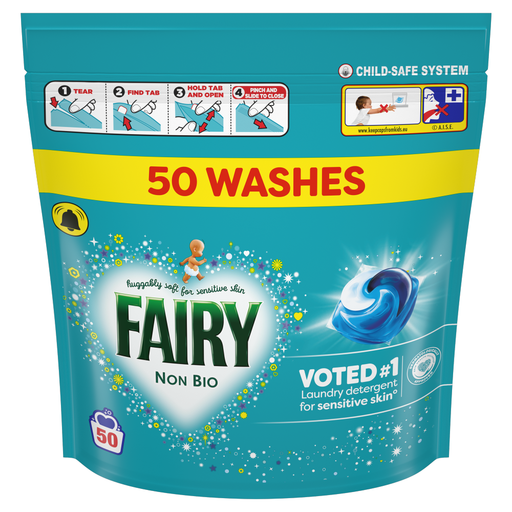
Why This Fits Their Persona: Ideal for households with young children or members with sensitive skin. This non-bio formula provides a gentle yet effective clean, offering peace of mind for everyday laundry without harsh enzymes that can cause irritation.
It avoids the "one-size-fits-all" trap by being a specialised product. Instead of a harsh, universal stain remover, it's specifically formulated for gentleness, which is a non-negotiable for its target user.
Formulated without biological enzymes for sensitive skin. The pods dissolve completely even in cool and quick washes, leaving no residue on fabrics.
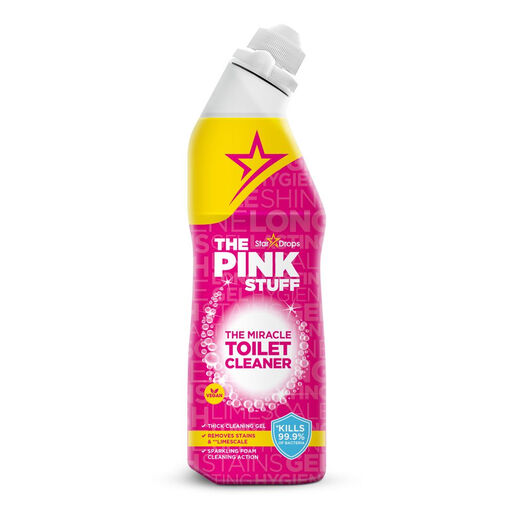
Why This Fits Their Persona: For those who want a visibly clean and hygienic bathroom without spending hours scrubbing. This cleaner is for tackling one of the toughest jobs—the toilet—with a formula designed for performance and a fresh scent.
This is a specialist product, not an over-promising "all-in-one". Its thick gel formula is specifically for clinging to a toilet bowl to break down limescale, a common issue in many UK homes with hard water.
The thick, clinging gel formula provides long-lasting action above and below the waterline. It effectively targets limescale and leaves a fresh, fruity fragrance.
We have compiled a complete, real-time list of products that fully satisfy these strict selection criteria and UK safety regulations.
For hygiene, it's a good practice to replace kitchen sponge scourers every one to two weeks, depending on use. Microfibre cloths are more durable; they can be machine washed and reused for months. Replace them when they lose their texture or stop cleaning effectively. For mops, replace the floor mop head every two to three months for sanitary reasons or sooner if it appears worn or dirty.
The terms are often used interchangeably, but they have distinct meanings. An antibacterial cleaner is formulated to kill or inhibit the growth of bacteria. A disinfectant spray is a broader term; it is certified to kill a wider range of microorganisms, which can include bacteria, viruses and fungi. For general hygiene, an antibacterial cleaner is often sufficient, but for areas of high concern (like after an illness), a disinfectant provides a higher level of sanitation.
While some multi-purpose cleaners are suitable for both, it's generally better to use dedicated products. A kitchen cleaner is formulated to be food-safe and effective against grease. A bathroom cleaner is designed to combat soap scum and limescale, which are more prevalent in bathrooms. Using a specific toilet cleaner is also important for hygiene and tackling tough stains in the bowl. Using the right product for the job yields better results and protects your surfaces.