
24/7 Customer Support

Free returns

Same-day & Next-day Delivery

Quality Guaranteed

Unlock Your Welcome Offers: FREE Delivery | Up to 80% OFF | Free 30-day JoyPlus trial
Download the APP
From a quick spread on morning toast to a key ingredient in smoothies and savoury dishes, peanut butter is a staple in many UK households. Yet, the supermarket aisle presents a confusing array of choices. Jars proclaim "natural," "high protein," or "no added sugar," but a closer look at the label often tells a different story. As a Joybuy Product Recommendation Officer, my role is to help you see past the marketing jargon and choose a product that genuinely fits your needs and budget.
Before you grab the first jar you see, let's look at a couple of common pitfalls that can lead to a disappointing purchase.
To make an informed choice, focus on these core parameters. They are far more telling than the bold claims on the front of the jar.
The gold standard for a high-quality, natural peanut butter is a short and simple ingredients list. Ideally, you want to see one thing: peanuts. A 100% peanuts butter offers the purest flavour and nutritional profile. Many excellent options add only a pinch of sea salt to enhance the taste. If you see sugar, corn syrup or hydrogenated oils high up on the list, you're moving away from a natural product and into confectionery territory. For those on specific diets, a simple list also makes it easy to confirm if it's a vegan peanut butter or a no added sugar peanut butter.
The timeless debate of smooth peanut butter versus crunchy peanut butter is a matter of personal preference. Smooth is often favoured for baking and sauces, while crunchy adds texture to snacks and sandwiches. Beyond this, consider the roast. A standard roast gives a classic, balanced flavour. A "deep roast," however, uses a longer, more intense roasting process to create a darker, richer and more caramelised taste, appealing to those with a more discerning palate.
While nearly all peanut butter is a good source of plant-based protein, the term high protein peanut butter can sometimes be used as a marketing buzzword. The protein content is directly related to the percentage of peanuts in the jar. A product made from 100% peanuts will naturally have a high protein content (typically 25-30g per 100g). Instead of being swayed by "high protein" claims, simply check the nutritional information and prioritise products with the highest percentage of actual peanuts.
Based on these practical criteria, here are a few options from our catalogue, matched to different needs and preferences.
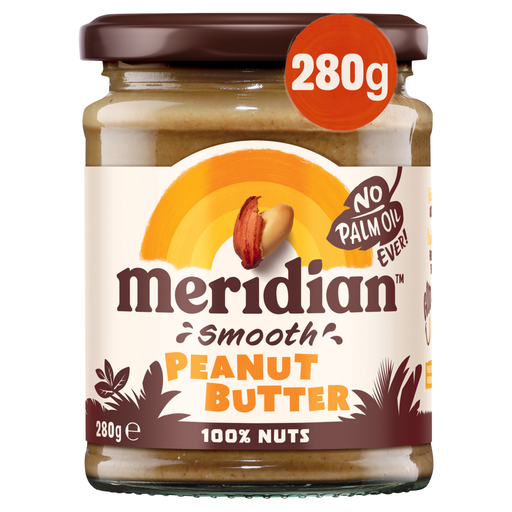
Why This Fits Their Persona: This is for the individual who reads every label. They want unadulterated food with no surprises, making it a perfect fit for a clean-eating lifestyle, fitness enthusiasts and vegans in the UK.
It directly counters the "Healthy Halo" and "Palm Oil" pitfalls. The ingredients list contains just one item: Roasted Peanuts (100%). There is no added sugar, salt or palm oil.
Pure, unadulterated peanut flavour. Roasting the nuts with their skins on adds to the depth and nutritional value. It's a natural source of protein and fibre.

Why This Fits Their Persona: This is for someone who views peanut butter as an ingredient to be celebrated, not just a spread. They seek a more intense, complex flavour to elevate their porridge, toast or baking.
It avoids additives like palm oil and sugar, instead focusing on quality ingredients and process. It uses hi-oleic peanuts and a deep roast to create superior flavour, proving quality doesn't require fillers.
The deep roasting process delivers a uniquely rich, dark and caramelised flavour profile that stands out from standard peanut butters. It has a satisfyingly big crunch.
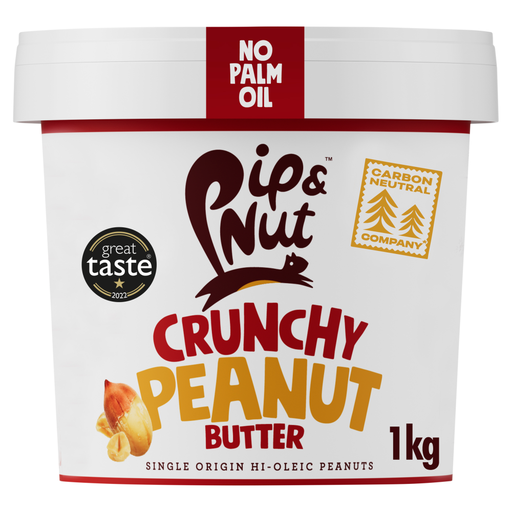
Why This Fits Their Persona: For families, avid bakers or fitness enthusiasts who go through peanut butter quickly, this **1kg peanut butter** tub offers excellent value without compromising on quality. It's a reliable, delicious workhorse for the pantry.
Bulk sizes can often be a hiding place for fillers. This product avoids that by sticking to a clean, two-ingredient list (99.4% peanuts, salt) and remaining palm oil-free, even in a large format.
Excellent cost-per-gram for a high-quality product. The use of hi-oleic peanuts provides a great flavour and a favourable fat profile, making it a smart choice for a household staple.
We have compiled a complete, real-time list of products that fully satisfy these strict selection criteria and UK safety regulations.
Not at all. This is a completely natural and expected process for any peanut butter that does not contain added emulsifiers like palm oil. The heavier peanut solids settle at the bottom, leaving the lighter, natural peanut oil on top. It's a good sign that your product is free from certain additives. Simply give it a thorough stir to recombine everything into a smooth, creamy texture.
For most peanut butters, especially natural ones, the manufacturer's advice is to store them in a cool, dry place such as a pantry. Refrigeration can cause the peanut butter to become very hard and difficult to spread. Once opened, a jar is typically good for up to three months at room temperature. Always check the storage instructions on the label for specific guidance.
A typical 15g serving (about one tablespoon) of a natural peanut butter provides approximately 4 grams of protein. This makes it a very useful and easy way to add a source of plant-based protein to snacks and meals, helping to support an active lifestyle and keep you feeling full for longer.