
24/7 Customer Support

Free returns

Same-day & Next-day Delivery

Quality Guaranteed

Unlock Your Welcome Offers: FREE Delivery | Up to 80% OFF | Free 30-day JoyPlus trial
Download the APP
As your Joybuy Product Recommendation Officer, my role is to help you navigate the crowded shelves of sun care products. Choosing the right sunscreen is one of the most important decisions you can make for your skin's health, but it's easy to get lost in marketing claims and confusing labels. Many people end up with a product that feels unpleasant, offers inadequate protection or simply isn't right for their skin, leading to wasted money and potential sun damage. Let's cut through the clutter and focus on what truly matters.
Before you buy, be aware of these common traps that can lead to a poor purchase and a false sense of security.
To make an informed choice, you need to understand a few key parameters. These are the non-negotiables for effective sun care.
Understanding the type of filter can help you find the perfect match, especially if you're looking for a sunscreen for sensitive skin.
The right formula for your skin type will make daily application a pleasure, not a chore. Oily or combination skin types may prefer lightweight fluids or gels, while dry skin types might benefit from more hydrating cream-based lotions. If you prefer a multi-tasking product, a tinted moisturiser with SPF can offer protection and light coverage in one step.
Based on these practical criteria, here are a few options tailored to different needs and lifestyles.
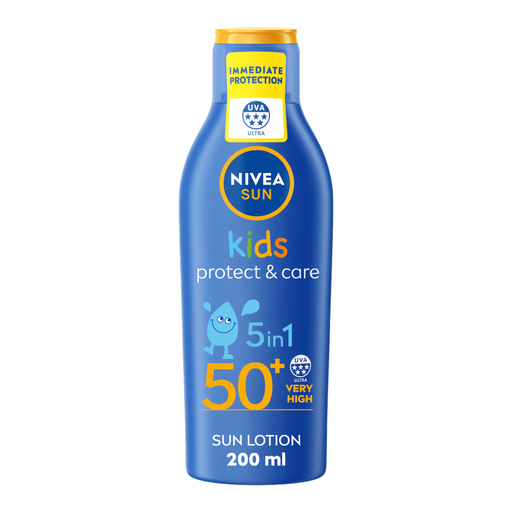
Why This Fits Their Persona: This is designed for families spending time outdoors, whether at a UK park or on a seaside holiday. The formula is specifically for children's delicate skin, offering high protection for peace of mind.
While it is an extra water resistant sunscreen, the directions clearly state the need for frequent reapplication, countering the "once-a-day" myth and promoting safe sun habits for the whole family.
Features a paediatrician-approved formula for delicate skin and provides immediate UVA/UVB protection. The nourishing ingredients help support the skin's barrier.
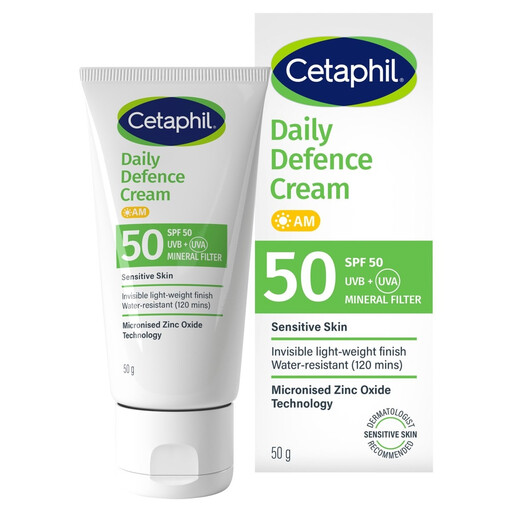
Why This Fits Their Persona: Ideal for someone needing a reliable daily face sunscreen that won't irritate their skin or interfere with makeup. It's designed for sensitivity and everyday urban exposure.
This product directly solves the "greasy, white-cast" problem. Its lightweight mineral sunscreen formula absorbs quickly with an invisible finish, making it comfortable for daily wear.
The formula is fragrance-free, won't clog pores and is designed to be gentle on sensitive skin. It provides physical UV defence with micronised zinc oxide.
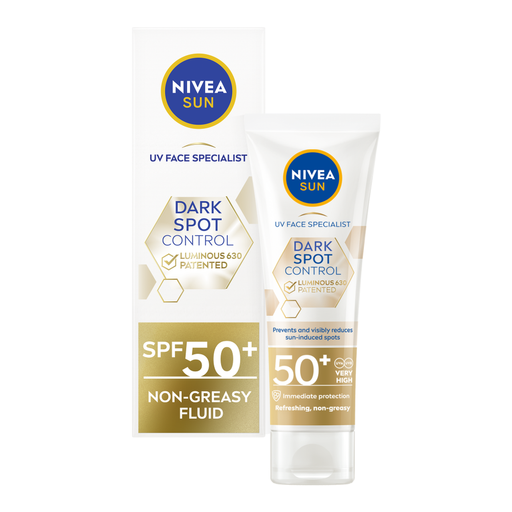
Why This Fits Their Persona: This is for the user who wants their sunscreen to do more. It combines high-level protection with active skincare ingredients to address specific concerns like uneven skin tone and dark spots.
It moves beyond basic protection by incorporating targeted ingredients. This demonstrates the importance of looking past just the SPF number to find a product that actively improves skin appearance.
According to the brand, its patented Luminous630 ingredient can visibly reduce sun-induced dark spots. The formula is also lightweight and contains hydrating Hyaluronic Acid and Vitamin E.
We have compiled a complete, real-time list of products that fully satisfy these strict selection criteria and UK safety regulations.
A common guideline for the face and neck is the "two-finger rule": squeeze a line of sunscreen onto your index and middle fingers. For sun protection for body, a general recommendation is about one shot glass full (around 30ml) to cover an average adult's body. Applying too little will significantly reduce the level of protection stated on the bottle.
While you can, it's not always ideal. Sunscreens formulated for the body can sometimes be thicker, heavier and more likely to clog pores on the delicate skin of your face. A dedicated face sunscreen is typically lighter, non-comedogenic (formulated not to block pores) and often designed to sit well under makeup.
Yes, it does. Sunscreen contains active ingredients that break down over time, making the product less effective. Always check for an expiration date on the packaging. Most products also have a Period After Opening (PAO) symbol (an open jar with a number like "12M"), which tells you how many months it will remain effective after being opened. Using an expired product is not recommended as it may not provide the stated level of protection.