
24/7 Customer Support

Free returns

Same-day & Next-day Delivery

Quality Guaranteed

Unlock Your Welcome Offers: FREE Delivery | Up to 80% OFF | Free 30-day JoyPlus trial
Download the APP
Choosing children’s toys and pet toys can look straightforward until you compare age ratings, batteries, materials, sound features and durability. A colourful listing may attract attention, but it does not always explain whether a toy suits a child’s development stage, a dog’s play style or the space available at home.
This guide highlights common buying traps, the specifications worth checking and a selection of products matched to different households.
A toy marked for children aged 3 and over may still contain small accessories, detachable parts or batteries that require supervision. Age guidance should be treated as a starting point, not a replacement for reading the warnings.
For example, animal figurines and dinosaur toys are often designed for children aged 3 and above, while some interactive toys and blind box figures are intended for older children because they contain small parts or button batteries.
Electronic pet toys can include lights, sounds and movement, but the type of interaction matters. A toy with only one button may quickly lose its appeal, whereas a product with feeding, movement, sound or response functions can offer more varied play.
Also check whether batteries are included, which battery type is required and whether the item has a quiet or sleep mode. These details are particularly relevant in UK homes where toys may be used in bedrooms, shared living spaces or during travel.
Soft dog toys are suitable for carrying, cuddling and supervised games, but plush construction does not automatically mean chew resistance. Squeaky dog toys should be inspected regularly, especially if your dog bites through seams or attempts to remove the squeaker.
Product warnings such as “not suitable for aggressive chewers” and “not a chew toy” should influence your choice. A larger toy may be easier for a medium or large dog to carry, but size alone does not determine durability.
For children’s products, check:
Products sold in Great Britain should carry the appropriate conformity marking and safety information. Always follow the manufacturer’s instructions, keep spare batteries away from children and seek urgent medical assistance if a button battery may have been swallowed.
For plush toys for children and dogs, look for clear material information, secure stitching and practical cleaning instructions. Soft fabric can make a toy comfortable to cuddle, but it may not withstand rough handling or repeated chewing.
For animal figurines, dinosaur toys and pretend play toys, consider whether the figure has movable components, painted details or accessories that could come loose. A sturdy, compact model can be useful for imaginative scenes, school projects and collecting, provided it is used within the recommended age range.
Measure the available storage and play area before ordering. A pocket-sized electronic pet may suit journeys and school-holiday outings, while a larger plush toy may be more appropriate for indoor fetch or cuddling.
For Halloween decorations, check dimensions, hanging fixtures and storage requirements. Paper decorations should remain indoors and away from candles, open flames, hot bulbs, rain and damp conditions.
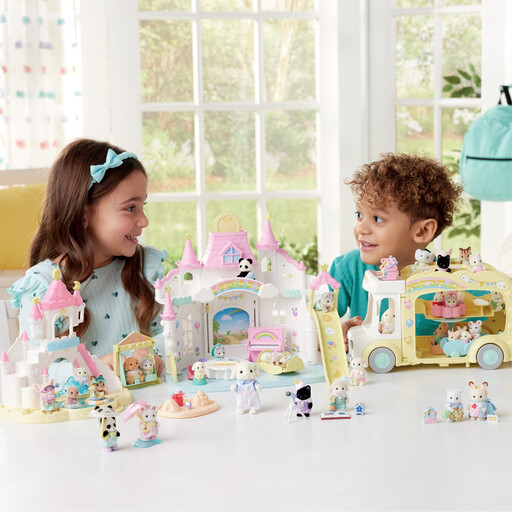
Why This Fits Their Persona: A compact, battery-free choice for grandparents and gift buyers seeking imaginative play without extra running costs.
It does not rely on electronic effects or replacement batteries, while the age guidance and small-part warning remain clear.
Includes two nursery figures and rainy-day accessories; compatible with other sets sold separately.
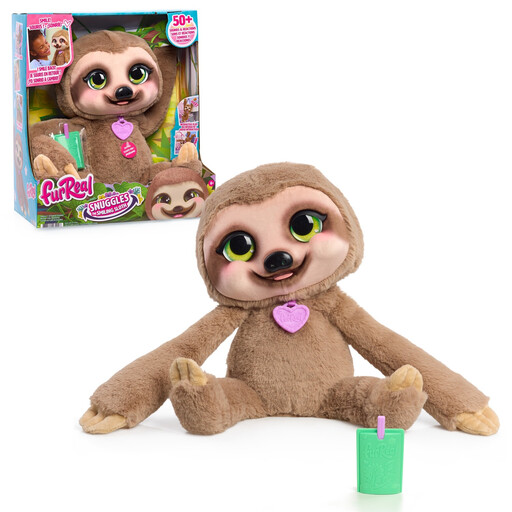
Why This Fits Their Persona: Suitable for children aged 4 and over who enjoy plush companions with varied responses and nurturing pretend play.
Its responses are linked to specific actions such as smiling, tickling, swinging and feeding, rather than a single repeated sound.
Offers over 50 combinations of sounds and motion reactions; four AA batteries are included.
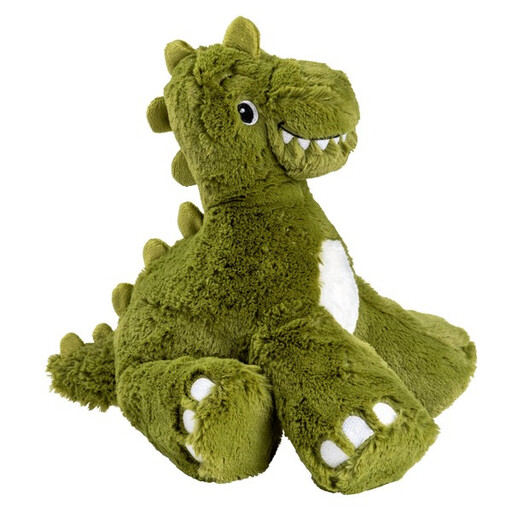
Why This Fits Their Persona: Designed for dog owners wanting a larger plush companion for supervised fetch, carrying and bonding sessions.
The listing identifies it as unsuitable for aggressive chewers and recommends inspection and supervision, avoiding unclear durability expectations.
Approximately 12 inches tall with four squeakers, one in each leg; soft plush fabric supports carrying and cuddling.
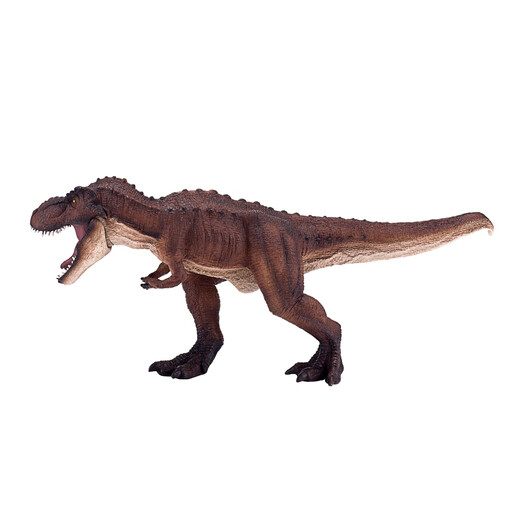
Why This Fits Their Persona: A practical match for children aged 3 and over who prefer tactile dinosaur play, collecting or school display projects.
It provides a clearly stated movable jaw instead of implying electronic action or sound effects that are not included.
Articulated jaw supports role play; no batteries are required and the figure is listed at approximately 30 cm in package length.
We have compiled a complete, real-time list of products that fully satisfy these strict selection criteria and UK safety regulations.
The main ongoing cost is usually replacement batteries. Check whether batteries are included and whether the toy uses AA, AAA or button cells. Battery-operated products should be switched off or stored safely when not in use. Battery-free animal figurines, pretend play toys and plush toys avoid this running cost.
There is no fixed lifespan. It depends on the dog’s bite strength, play style and how often the toy is used. Rotate toys, inspect seams and remove any damaged item immediately. Plush squeaky toys should not be treated as suitable for aggressive chewing.
Confirm the minimum age, small-part warnings, battery access, cleaning instructions and intended activity. For blind box figures and collectible toys, remember that the surprise packaging may contain small pieces and may be more suitable for older children. Always supervise younger children where the product instructions recommend it.