
24/7 全天候客户支持

免费退货

当日/次日达

品质保障

开启新人专享福利: 全场免邮 | 低至 2 折 | 免费试用 30 天 JoyPlus 会员
下载 Joybuy
For the dedicated UK backpacker, every gram counts. Whether you're tackling the Pennine Way or planning a multi-day traverse in the Scottish Highlands, the weight of your pack is a constant consideration. An ultralight 2 person backpacking tent is often the cornerstone of a lightweight setup, but navigating the market can be challenging. Marketing claims can be confusing and a poor choice can lead to a heavy pack and a miserable, damp night on the trail.
As the Joybuy Product Recommendation Officer, my role is to help you sidestep these issues. We'll look past the hype and focus on the critical details that define a truly effective lightweight shelter. Before you invest, be aware of these common purchasing pitfalls:
To make an informed decision, focus on these non-negotiable technical details. They provide a much clearer picture of a tent's real-world performance than marketing slogans.
This is the true weight you will be carrying. For a tent for long distance hiking, a two-person model should ideally have a packed weight under 1.5 kg. Anything approaching 2 kg or more moves out of the "ultralight" category. Also, check the packed dimensions. A compact packed size (e.g., under 50 cm x 15 cm) makes a significant difference to how efficiently you can load your backpack.
The fabric is the heart of the tent. You'll often see terms like 20D Ripstop Nylon.
For UK conditions, pay attention to two separate waterproof ratings:
We've filtered the options based on these critical parameters. Instead of a single "best" model, we match tents to the specific needs of different UK hikers.
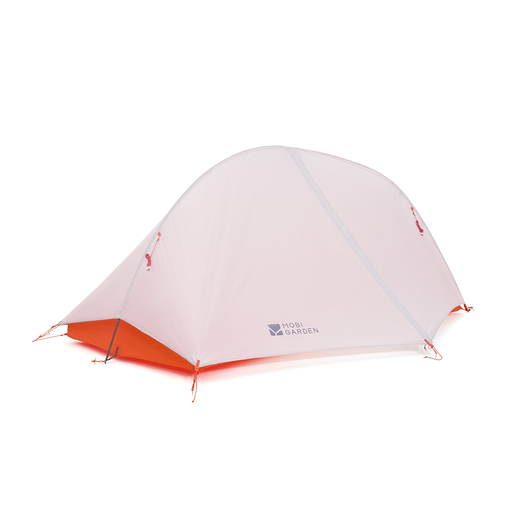
Why This Fits Their Persona: This hiker is focused on long-distance trails where every gram is scrutinised. The Yadeen UL2's exceptionally low packed weight and compact size are its primary draws, allowing for more food and water to be carried over extended trips.
Its double-wall construction with a large mesh inner directly counters the condensation trap common in the UK, providing far better ventilation than a single-wall design.
Net Weight approx. 1.18 kg: A genuinely ultralight packed weight for a two-person shelter. 20D Ripstop Nylon: Balances low weight with reasonable tear resistance.
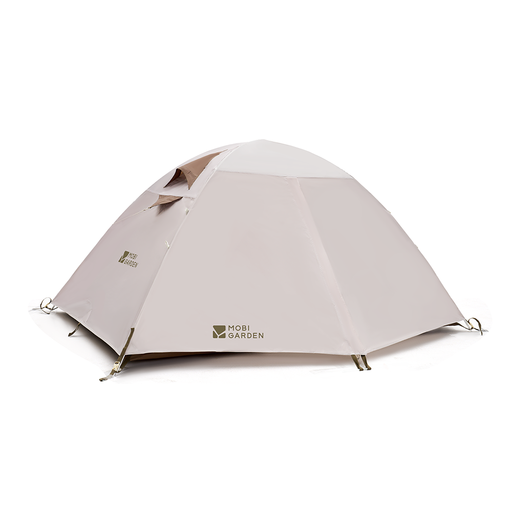
Why This Fits Their Persona: This user enjoys weekend wild camps and shorter multi-day hikes. While still weight-conscious, they prioritise durability and value. The Lunta offers a robust shelter that can handle varied terrain without the premium cost of an extreme ultralight model.
It sidesteps the waterproofing illusion by combining a solid PU2000mm flysheet with a highly waterproof PU4000mm groundsheet, offering excellent protection from wet ground.
68D Polyester Fabric: Offers greater abrasion and tear resistance than lighter nylons. PU4000mm Inner Tent Floor: Provides a high level of protection against ground water.
Your shelter is just one part of the "big three" in your pack (pack, shelter, sleep system). Optimising your backpack is the next logical step. Modern ultralight packs use advanced materials to achieve an impressive strength-to-weight ratio. For example, the Mobi Garden Phantom Pro 3D Dyneema 45L Backpack uses Dyneema composite fabric, which is exceptionally strong and light. Many such high-performance packs come in lighter colours, such as white, which not only reduces heat absorption but also makes it much easier to see and find your gear inside.
We have compiled a complete, real-time list of products that fully satisfy these strict selection criteria and UK safety regulations.
The lifespan of an ultralight tent depends heavily on care and use. The lightweight fabrics (like 20D nylon) are less abrasion-resistant than heavier materials. To maximise its life, always use a footprint or groundsheet, choose campsites clear of sharp rocks and thorns and ensure the tent is completely dry before storing it. With proper care, a quality ultralight tent can provide reliable shelter for many seasons of hiking.
For a 3-season lightweight 2 man hiking tent, a PU2000mm rating on the flysheet is perfectly adequate for handling the typical rain encountered in the UK, from drizzle to heavy downpours. It is not designed for extreme winter storms or blizzard conditions. The key is that the rating is paired with high-quality, factory-taped seams, which prevent water from leaking through the stitch holes.
It is typically a snug fit. These tents are designed to minimise weight and packed size, so interior space is at a premium. A floor width of 125-135cm is common. This is generally comfortable for one person with all their gear inside, or for two people who are happy with close quarters. For better livability, look for models with two separate doors and two vestibules (porches), as this allows each person their own entrance and a dedicated space to store their pack and boots.