
24/7 全天候客户支持

免费退货

当日/次日达

品质保障

开启新人专享福利: 全场免邮 | 低至 2 折 | 免费试用 30 天 JoyPlus 会员
下载 Joybuy
Navigating the world of ultralight tents can feel like a trek in itself. With endless technical jargon and ambitious marketing claims, it's easy to end up with a shelter that's either too fragile for a windy night in the Cairngorms or surprisingly heavy for a "lightweight" model. As a Product Recommendation Officer, my role is to help you sidestep the common purchasing traps and focus on what truly matters for UK conditions.
Before you add a new tent to your basket, let's look at a few pitfalls that often catch even experienced hikers out:
To choose a reliable ultralight 2 person tent, you need to look past the marketing and analyse a few core parameters. These details will tell you how a tent will actually perform on a hillside, not just in a showroom.
The durability of your tent's fabric is often indicated by its denier (D) rating. This is a measure of the thickness and weight of the fibre.
For a lightweight hiking tent intended for varied UK terrain, a 20D ripstop nylon offers a good balance, while a 68D polyester provides a significant step up in ruggedness for a slight weight penalty.
A tent's waterproof capability is measured by its Hydrostatic Head (HH) rating, usually in millimetres. This figure indicates how much water pressure the fabric's polyurethane (PU) coating can withstand before it starts to leak.
waterproof 3 season tent to be reliable in the UK, a minimum rating of 1500mm HH is advisable. A 2000mm HH rating provides a more comfortable buffer against sustained, heavy rain.A truly functional compact 2 person tent is about more than just its weight. Consider these design elements for a more comfortable experience:
2 man backpacking tent. They allow each person to get in and out without disturbing the other and provide separate spaces to store wet boots and rucksacks.wind resistant tent for hiking. Intersecting pole geometries and multiple guy-out points allow you to secure the tent firmly, helping it shed wind and rain effectively.Instead of a single "best" option, the right tent depends on your specific hiking style. Here are three recommendations matched to different user profiles.
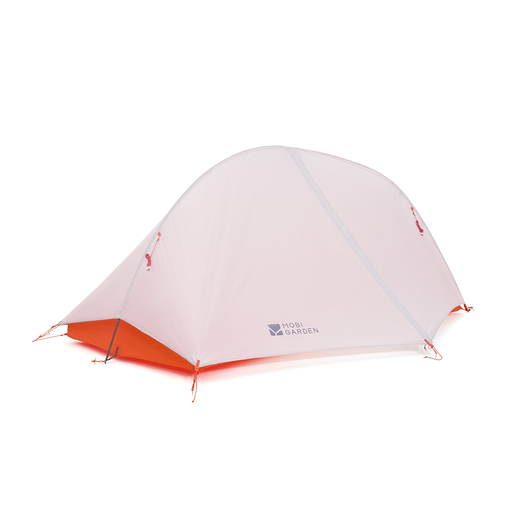
Why This Fits Their Persona: For the backpacker tackling the Pennine Way or Coast to Coast, every gram matters. With a net weight of approximately 1.18 kg, this tent significantly reduces pack load, allowing for more miles with less fatigue. It's a true ultralight shelter designed for serious trekking.
It directly addresses the "cramped 2-person" pitfall with its front and rear double-door design. This provides two separate vestibules for gear storage and easy access, making it far more livable than single-door alternatives.
Exceptional weight-to-space ratio. The 20D ripstop nylon fabric balances low weight with reasonable tear resistance, and the large mesh inner tent provides excellent ventilation to combat condensation.
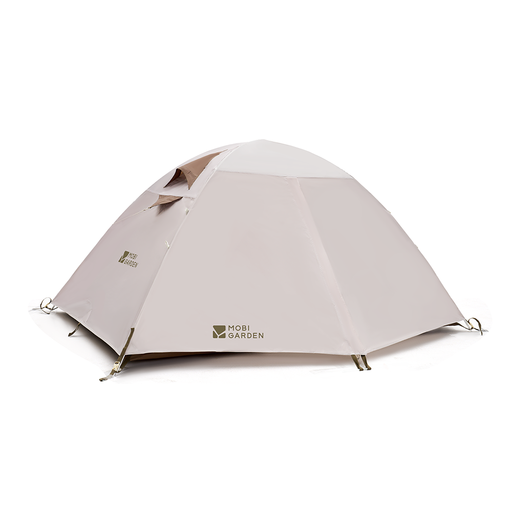
Why This Fits Their Persona: Ideal for regular weekend trips to the Lake District or Snowdonia, where durability is as important as weight. At 2.64 kg, it's still very portable but offers the reassurance of tougher materials for frequent use in varied conditions.
This tent sidesteps the "fragile fabric" pitfall by using a robust 68D polyester. It also provides excellent protection from wet ground with a groundsheet rated to PU4000mm, well above the minimum needed for soggy British campsites.
Superior durability and ground-level waterproofing. The tougher fabric can withstand more abrasion, and the high HH rating on the floor provides confidence that you'll stay dry even when pitched on saturated ground.
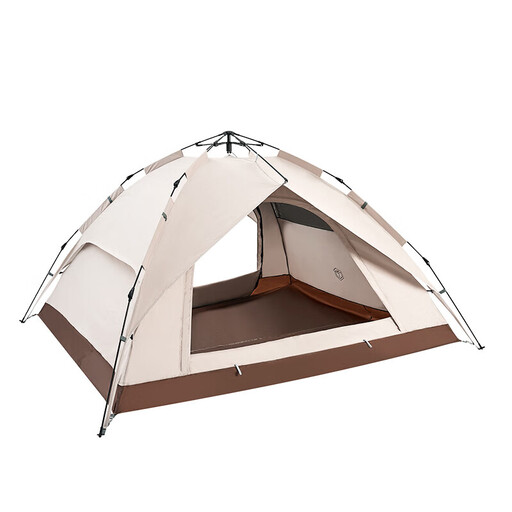
Why This Fits Their Persona: When convenience and space are the top priorities for a weekend festival or a car-camping trip in the New Forest, an ultralight backpacking tent isn't the right tool. This model's pop-up design and generous 3-4 person capacity are perfect for those who value a quick, hassle-free setup.
It completely avoids the "2-person squeeze" by offering genuine space for a small group and their belongings. Its PU3000mm waterproof rating also provides reliable protection against the kind of downpours that can turn a festival field into a mud bath.
Effortless setup. The automatic pop-up mechanism means the tent is ready in moments, leaving more time for enjoying your trip. The dual-layer design also helps manage condensation effectively.
For a flysheet, a 2000mm Hydrostatic Head (HH) rating is generally sufficient for most 3-season UK conditions, capable of handling moderate to heavy rain. The key is to also check the groundsheet rating. Because your body weight puts pressure on the floor, water can be forced through from saturated ground. For this reason, a higher groundsheet rating of 3000mm HH or more is highly recommended for reliable performance.
The lifespan of an ultralight tent depends heavily on usage and care. Lightweight fabrics like 20D nylon require more careful handling than their heavier counterparts. To maximise its life, always choose campsites clear of sharp rocks and thorns, clean the tent only with water and a soft cloth and ensure it is completely dry before storing it. The primary factor that degrades waterproof coatings over time is prolonged exposure to UV sunlight. With proper care, a quality ultralight shelter can provide many seasons of reliable use.
No, you must never use a stove or any open flame inside an ultralight tent. The fabrics are flammable, and the enclosed space creates a severe risk of fire and deadly carbon monoxide poisoning. Always cook in a sheltered area well away from your tent, even in poor weather.