
24/7 Customer Support

Free returns

Same-day & Next-day Delivery

Quality Guaranteed

Unlock Your Welcome Offers: FREE Delivery | Up to 80% OFF | Free 30-day JoyPlus trial
Download the APP
For the dedicated UK backpacker, every gram counts. Whether you're tackling the Pennine Way or enjoying a weekend on the South Downs, the weight of your pack can make or break the experience. A heavy pack slows you down, but a hot meal at the end of a long day's hike is non-negotiable. This is where the search for the perfect ultralight backpacking stove begins.
Navigating the market can be a challenge. With so many options, it's easy to get lost in technical specifications and marketing claims. As your Joybuy Product Recommendation Officer, my role is to help you cut through the clutter. This guide offers practical advice and highlights a few noteworthy options to help you find a stove that fits your hiking style and budget.
Before diving into specific products, let's cover a few key considerations. Focusing on these factors will help you narrow down your choices and select a stove that truly meets your needs on the trail.
The single most important factor for an ultralight stove is, of course, its weight. This is where materials make a significant difference. A titanium backpacking stove offers an exceptional strength-to-weight ratio, allowing for incredibly light designs without sacrificing durability. The trade-off can sometimes be stability; the smallest stoves may have narrower pot supports, requiring a level surface and careful handling. For many thru-hikers, shedding those extra grams is well worth the adjustment.
A stove's primary job is to heat water quickly and efficiently. Look at the power output (measured in watts) and the stated boil time. A faster boil time means less waiting around for your morning coffee or evening meal. However, don't overlook fuel efficiency. A stove that burns through gas canisters quickly might be powerful, but it means you'll need to carry more fuel on longer trips, potentially negating the weight savings of the stove itself. A good thru-hiking stove balances speed with conservative fuel consumption.
You'll generally encounter two types of stoves: standalone burners and integrated systems.
compact hiking stove options. They consist of just the burner unit, which screws directly onto a standard gas canister. You provide your own pot. This offers flexibility in your cook setup but may be less efficient in windy conditions without a separate windshield.Here are a few options that stand out for their design, performance and suitability for different types of outdoor adventures.
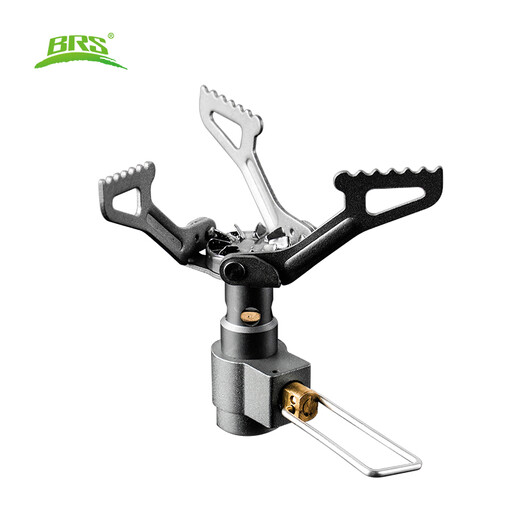
Why It Stands Out: The BRS 3000T is a legend in the ultralight community for one simple reason: its astonishingly low weight. At just 26 grams, it weighs less than a handful of coins. Constructed from titanium alloy, it’s a minimalist piece of engineering designed for those who count every single gram in their pack.
Pros:
Who is it for? This stove is for the serious ultralight backpacker and thru-hiker. If your goal is to achieve the lowest possible base weight for long-distance treks, this is a compelling option. Its minimalist design requires careful use on stable ground.
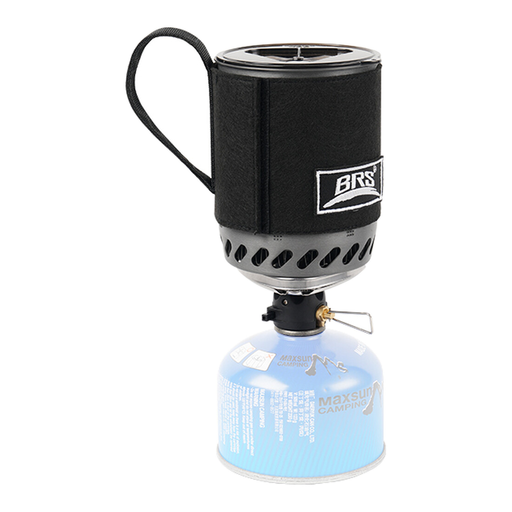
Why It Stands Out: This BRS 61-Series model is an integrated cooking system that prioritises convenience and efficiency. It includes the burner, a 0.5L pot with a heat-insulating cover and a lid, all of which nest together into a single compact unit. The pressure-regulating valve ensures consistent performance, even as the fuel canister empties or in colder weather.
Pros:
Who is it for? This is an excellent choice for solo backpackers and weekend campers who value an organised, easy-to-use system. While not as featherlight as the BRS 3000T, its all-in-one convenience and reliable performance make it a very practical lightweight camping stove.
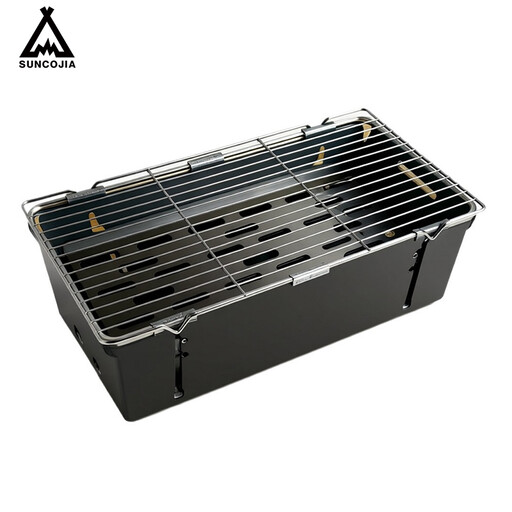
Why It Stands Out: Moving away from ultralight gas stoves, this SUCOJIA model offers a completely different approach. It's a tactical folding wood-burning stove made from robust carbon steel. Its strength lies in its durability and fuel versatility—it runs on twigs, wood or other biomass you can find on your trip, meaning you don't have to carry fuel canisters.
Pros:
Who is it for? At 3.6kg, this is not an ultralight backpacking stove. It is best suited for car camping, family picnics or setting up a comfortable basecamp for shorter hikes. It's for the camper who prioritises durability and the experience of cooking over a real fire above minimising pack weight.
The world of outdoor cooking equipment is vast, with burners designed for every possible need. If the options above aren't quite what you're looking for, or if you're curious about different types of heating sources for various applications, you can explore a wider selection.
? Explore more burners and heating equipment on Joybuy
While weights are always being pushed lower, stoves like the BRS 3000T, weighing around 26 grams, are among the lightest commercially available canister stoves. These are designed for minimalists who prioritise weight savings above all else.
For many long-distance hikers, yes. The significant weight reduction compared to stainless steel or aluminium stoves can make a noticeable difference over hundreds of miles. However, they often come at a higher price point. If you're a casual weekend camper, the weight savings may not be as critical, and a slightly heavier, more affordable aluminium stove could be a better value.
Most ultralight backpacking stove models use screw-on canisters containing a blend of isobutane and propane. These are widely available in outdoor shops in standard sizes (100g, 230g, 450g). For short trips, a 100g canister is usually sufficient. For longer treks or group cooking, a 230g or 450g canister is more practical. Always check that the canister fitting is compatible with your stove before purchasing.