
24/7 全天候客户支持

免费退货

当日/次日达

品质保障

开启新人专享福利: 全场免邮 | 低至 2 折 | 免费试用 30 天 JoyPlus 会员
下载 Joybuy
Carrying less can make a noticeable difference on long-distance walks, backpacking trips and multi-day camps. However, shopping for ultralight camping and hiking gear is not simply a matter of choosing the lowest listed weight. A poorly designed item can be awkward to use, vulnerable to weather or unsuitable for the conditions you actually face in the UK.
Before buying, watch for three common traps:
The right choice balances weight with capacity, durability, weather resistance and ease of setup.
Compare products on an equal basis. For a backpacking tent, check the complete packed weight and dimensions, not just the fabric weight. A two-person shelter weighing approximately 1.18kg and packing to 48 × 11 × 11cm is considerably easier to carry than a heavier design, but it may offer less interior space or fewer comfort features.
For a hiking backpack, capacity should match the trip. A 45-litre pack can suit two or three days of lightweight backpacking, provided your sleeping system, clothing and food are compact. The Mobi Garden Phantom Pro 3D Dyneema 45L Backpack weighs approximately 1.35kg and includes external attachment points for trekking poles, a sleeping pad and other equipment.
Do not select capacity by volume alone. Look for:
A well-organised pack can reduce the temptation to carry unnecessary extras.
For changeable British conditions, shelter fabric and waterproofing deserve close attention. The Mobi Garden LUNTA 68D Hiking Tent uses tear-resistant polyester with a PU2000mm outer-tent rating and a PU4000mm inner groundsheet rating. Its packed size is 41 × 16 × 16cm and its approximate total weight is 2.64kg.
The lighter YADEEN UL2 uses 20D ripstop nylon with silicone treatment and PU coating, an aluminium pole structure and a PU2000mm waterproof rating. It weighs approximately 1.18kg. Its mesh inner can support ventilation, but lightweight fabric requires sensible pitching and careful handling around sharp stones or thorny vegetation.
For rain clothing, an outdoor rain poncho can cover more of the body and may accommodate a backpack. Check the size, hood adjustment, fastening system and whether the product can function as a tarp. Do not assume every “3-in-1” raincoat offers the same coverage or fabric performance; consult the individual specification before ordering.
Convenience affects whether equipment gets used correctly. A camping stove should have stable pot supports, controllable flame adjustment and a clearly specified power output. The BRS 3000T Titanium Stove weighs 26g and produces 1,940W according to its listed specifications. It must only be used outdoors in a well-ventilated area, on a stable, non-flammable surface and with the gas connection checked for leaks.
For lighting, a rechargeable tactical torch should be judged by more than maximum brightness. Consider charging options, runtime, beam pattern, water resistance and handling. A high-output torch can be useful for route finding or emergencies, but its brightest setting may consume power quickly.
A camping sleeping mat also needs practical evaluation. The VXOYO single mat weighs approximately 690g, packs to around 26 × 10cm and includes a built-in foot pump. Its listed inflated dimensions are 192 × 58 × 15cm. A double version measures 200 × 140 × 8cm and weighs approximately 1.7kg. These dimensions may suit car camping or shared use more readily than minimalist solo backpacking.
For furniture, a portable camping table should be checked for both folded size and stability. The medium Mobi Garden roll-up aluminium table opens to 87 × 60 × 44.5cm and weighs approximately 3.6kg. Its tabletop and frame pack separately, while the X-cross frame and PVC foot pads are designed to support stability on flat, firm ground. It is more suitable for campsites, picnics and vehicle-supported trips than weight-critical treks.
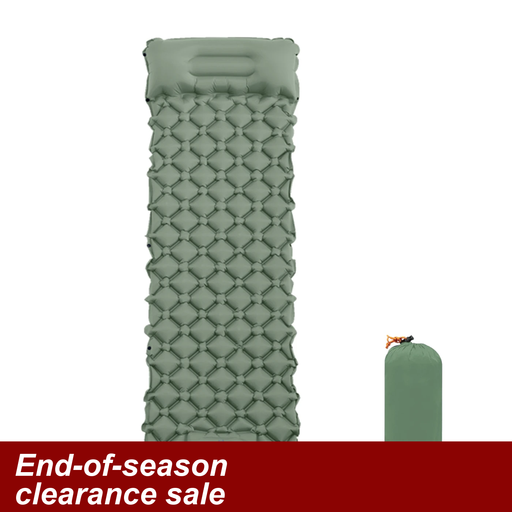
Why This Fits Their Persona: A practical option for newcomers who want a compact sleeping system for occasional UK camping, festivals or car-based trips.
The listed weight, packed size and inflated dimensions are provided together, making portability easier to compare.
Approximately 690g; built-in foot pump; side buttons allow two mats to be connected.
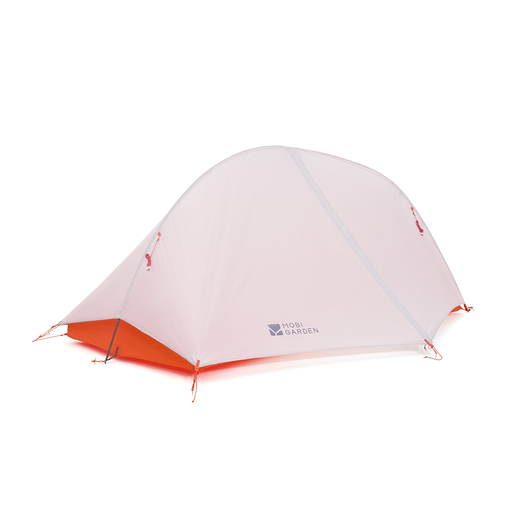
Why This Fits Their Persona: Suits backpackers prioritising low carried weight, ventilation and a compact shelter for three-season trips.
Its specification states the fabric, pole material, packed size, total weight and PU rating rather than relying only on general waterproof wording.
Approximately 1.18kg; 20D ripstop nylon; front and rear doors; large mesh inner.
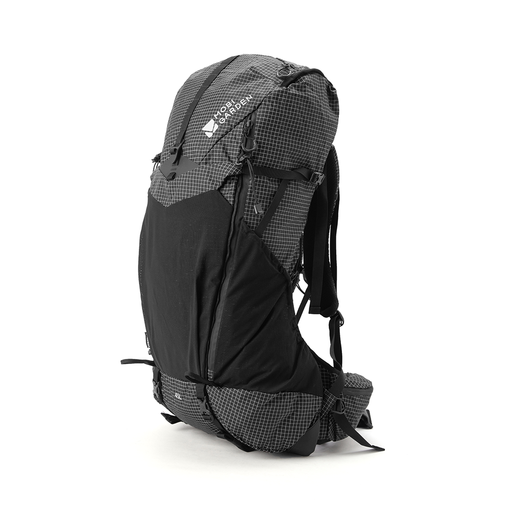
Why This Fits Their Persona: Designed for hikers carrying several days of equipment who need organisation and external attachment points without a large expedition pack.
The 45L capacity is paired with a 1.35kg listed weight, load-adjustment features and a separate hydration compartment.
Dyneema composite fabric; 3D ventilated back panel; adjustable hip belt and sternum strap.
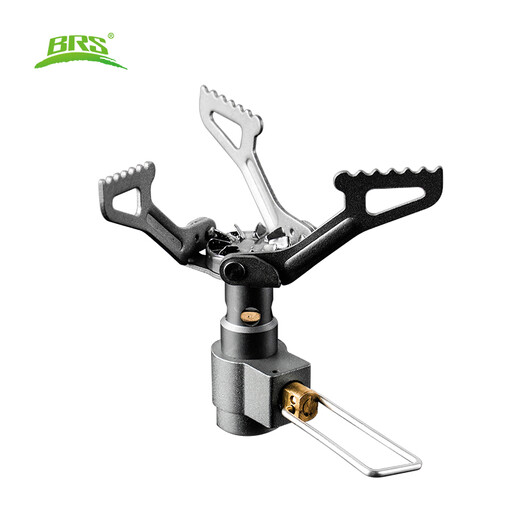
Why This Fits Their Persona: A compact choice for solo hikers and weight-conscious campers preparing simple hot meals outdoors.
The 26g stove weight is clearly stated, while foldable pot supports and flame adjustment address portability and basic usability.
Titanium construction; 1,940W listed output; supplied storage pouch; foldable supports.
We have compiled a complete, real-time list of products that fully satisfy these strict selection criteria and UK safety regulations.
Start with a shelter, sleeping system, backpack, cooking equipment, water storage, weather layer, lighting and navigation essentials. Review each item’s packed dimensions before purchasing. A lightweight setup should still include suitable insulation, rain protection and a reliable way to contact help.
Lifespan depends on materials, packing habits and exposure. Dry tents fully before storage, avoid folding wet fabric for long periods and keep lightweight materials away from sharp ground. Clean sleeping mats and backpacks with a damp cloth where appropriate and inspect valves, seams, buckles and pole sections before each trip.
It can be, provided the equipment matches the conditions. Check waterproof ratings, taped seams, pole design, guy-line points and the manufacturer’s stated season rating. A three-season waterproof hiking tent is not automatically suitable for winter storms. Pitch shelters on firm, level ground, use all relevant guylines and never use a camping stove inside a tent.