
24/7 全天候客户支持

免费退货

当日/次日达

品质保障

开启新人专享福利: 全场免邮 | 低至 2 折 | 免费试用 30 天 JoyPlus 会员
下载 Joybuy
For the dedicated UK hiker, reducing pack weight isn't just about comfort; it's about performance. Covering more ground, moving with greater agility on tricky terrain and finishing a long day on the trail with less fatigue all stem from carrying a lighter load. However, the market for ultralight hiking gear is filled with marketing claims that often don't stand up to the realities of a damp weekend in the Brecon Beacons or a multi-day trek along the West Highland Way.
Before investing in new lightweight backpacking equipment, it's crucial to understand the common pitfalls that can lead to wasted money and uncomfortable or even unsafe, experiences.
To choose effective ultralight camping gear, you need to look past the headline weight and analyse a few core parameters. These specifications will tell you how the equipment will actually perform on the trail.
The single most important function of a multi-day pack is to carry weight comfortably. For a lightweight trekking pack to be effective, it must have a system to transfer the majority of the load from your shoulders to your hips.
For a 2 person ultralight tent, the fabric's waterproof rating is a critical metric. This is measured by its Hydrostatic Head (HH), which indicates how much water pressure the fabric can withstand before it leaks.
The choice of material dictates the gear's durability and weight. While a Dyneema backpack offers an exceptional strength-to-weight ratio, it's not the only option.
We've filtered through the options to match specific gear to the hikers who will get the most from it.
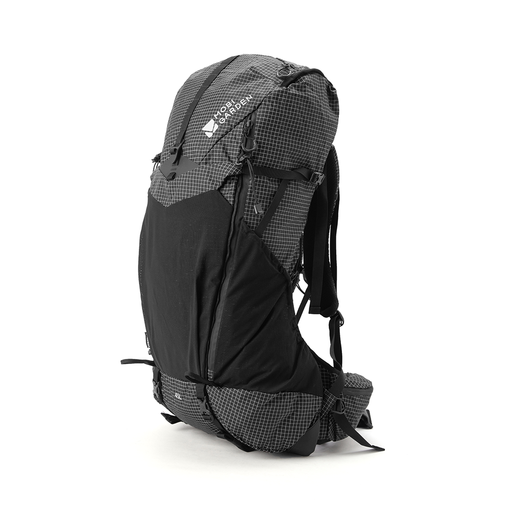
Why This Fits Their Persona: This pack is built for serious, multi-day treks. The 45L capacity is ideal for carrying 2-3 days of gear on challenging UK routes where durability and comfort under load are paramount. The advanced materials and construction justify the investment for someone who spends weeks on the trail each year.
It sidesteps the "Frameless Fallacy" by pairing a lightweight Dyneema composite fabric with a robust 3D ventilated suspension back panel. This ensures proper load transfer and breathability, focusing on real-world comfort, not just a low empty weight.
Exceptional strength-to-weight ratio from the Dyneema fabric and a structured, breathable back panel for superior comfort on long carries. Multiple external attachment points add versatility.
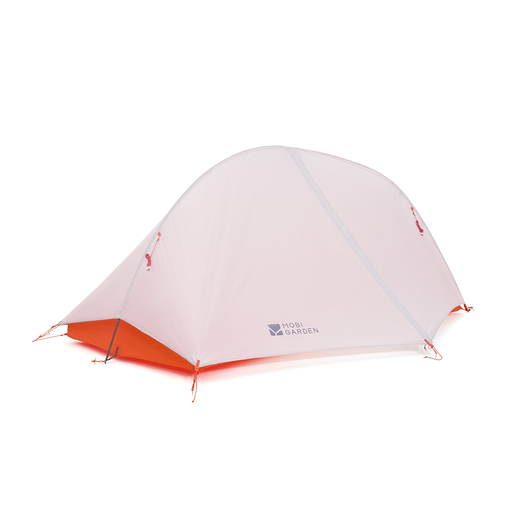
Why This Fits Their Persona: An excellent shelter for two people on a weekend trip in the Lake District or Snowdonia, where pack weight and space are key. Its low weight (approx. 1.18 kg) and small packed size mean you can move faster and more comfortably.
This tent directly counters the "Waterproof Illusion" by using a silicone-treated 20D ripstop nylon with a reliable PU2000mm waterproof rating. It provides a well-judged balance of low weight and dependable rain protection for typical three-season UK conditions.
Extremely low net weight and a compact packed size (48 × 11 cm) make it easy to carry. The large mesh inner tent provides excellent ventilation to reduce condensation.
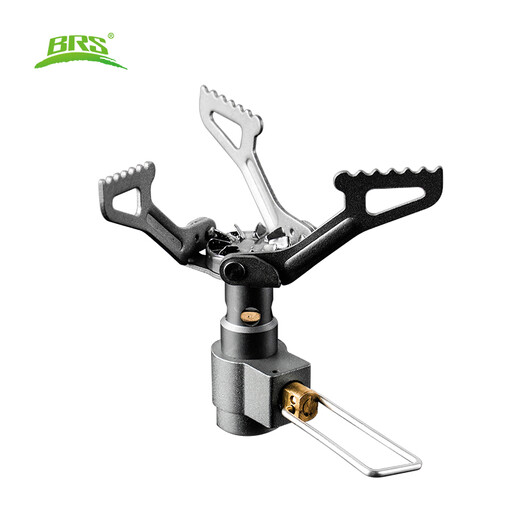
Why This Fits Their Persona: For the hiker who counts every gram and needs a simple, reliable way to boil water for a dehydrated meal or a hot drink. Its tiny size and weight make it a perfect fit for fast-and-light day trips or minimalist overnight camps.
This stove avoids feature bloat and complexity. Instead of a heavy, integrated system, it focuses on one job—heating water quickly—and does it with a minimal weight penalty, making it a prime example of true ultralight philosophy.
Weighs only 26g due to its titanium alloy construction, making it one of the lightest canister stoves available. It folds down to a minuscule size and offers a powerful flame for its weight.
We have compiled a complete, real-time list of products that fully satisfy these strict selection criteria and UK safety regulations.
The ideal weight depends on its structure. For a multi-day waterproof hiking rucksack with a proper internal frame capable of carrying 10-15 kg comfortably, a weight of under 1.5 kg is an excellent target. Frameless packs can weigh under 500g, but they require meticulous packing skills and are generally less comfortable once your total pack weight exceeds 9-10 kg, which is common when carrying food and water for several days.
It depends on your specific needs. For activities where high tear strength and minimal weight are critical—such as thru-hiking rugged terrain or trips involving rock scrambling—its performance can justify the premium price. For general trail walking and weekend camping, modern high-tenacity ripstop nylons offer a more cost-effective balance of durability and weight.
Base weight is the total weight of your pack and its contents, excluding consumables like food, water and fuel. For ultralight backpacking, a common goal is a base weight under 5 kg. Achieving this in the UK is challenging due to the need for reliable waterproofs and a warmer sleep system, but it is possible with careful selection of your "big three": your rucksack, shelter and sleeping bag/quilt.