
24/7 全天候客户支持

免费退货

当日/次日达

品质保障

开启新人专享福利: 全场免邮 | 低至 2 折 | 免费试用 30 天 JoyPlus 会员
下载 Joybuy
For the dedicated UK thru-hiker or minimalist camper, every gram in your pack counts. Shaving weight from your 'big three'—your pack, shelter and sleep system—is standard practice. But the real art of going ultralight lies in optimising your cooking setup. An ultralight titanium camping stove is the heart of this system, yet the market is filled with options that can be misleading. Choosing incorrectly doesn't just add weight; it can compromise your entire trip.
As a Joybuy Product Recommendation Officer, my role is to help you see past the marketing clutter. Before you commit, be aware of these common pitfalls that catch out even experienced backpackers:
mini camping stove models achieve their low weight by sacrificing design features that improve fuel efficiency. A stove that guzzles gas means you must carry more fuel canisters, cancelling out any initial weight savings on a multi-day trek like the West Highland Way.To make a sound choice, focus on the specifications that directly impact performance on the trail. Here are the non-negotiables for any serious lightweight backpacking stove.
Always calculate the combined weight of the stove, your chosen pot (and lid) and any required stabilisers. For a solo hiker, a complete system under 300 grams is an excellent target. Titanium is the material of choice here, offering a remarkable strength-to-weight ratio. Also, consider how the components nest together. A compact gas stove for hiking should pack down neatly inside your pot along with a 100g fuel canister, saving valuable space in your rucksack.
A fast boil time is convenient, but it can sometimes indicate high fuel consumption. For a thru-hiking stove, fuel efficiency is paramount. Look for designs that shield the flame from wind or systems that incorporate a heat exchanger on the pot. These rings of metal fins capture and transfer more of the flame's heat to the pot, significantly reducing boil times and stretching the life of your gas canister. This means carrying less fuel weight over the duration of your journey.
The vast majority of true ultralight stoves are made from titanium alloy for its low weight and high strength. However, check the construction of the pot supports and the valve. Flimsy-feeling supports can bend under the weight of a full pot of water, and a poorly machined valve can make flame control difficult or become a point of failure. Stainless steel and aluminium are also used, often in more affordable or robust models, but they come with a weight penalty.
We've filtered through the options to match specific products to the distinct needs of UK ultralight enthusiasts.
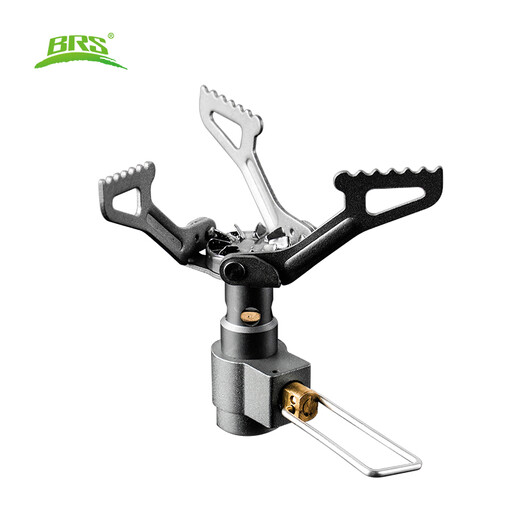
Why This Fits Their Persona: For the dedicated backpacker whose primary goal is minimising base weight for long-distance treks. At just 26 grams, the weight of this stove is almost unnoticeable in a pack.
This stove is the definition of minimalist. It sidesteps the "heavy system" trap by forcing the user to pair it with an equally light solo pot, creating a truly ultralight setup.
Its primary advantage is its exceptionally low weight (26g) and tiny packed size. The titanium construction provides good durability for its weight class.
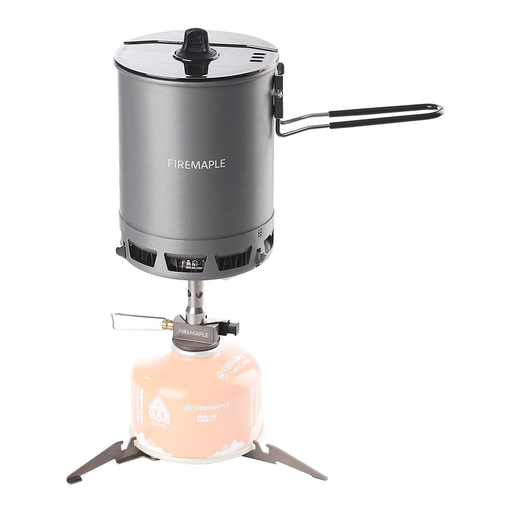
Why This Fits Their Persona: Ideal for the solo backpacker who values convenience and performance. This integrated kit removes the guesswork of matching a stove to a pot for optimal efficiency.
It directly counters the fuel inefficiency trap. The built-in heat exchanger on the pot dramatically improves performance, saving fuel and reducing the need to carry extra canisters.
A fully nestable system where the stove and a 110g gas canister fit inside the 600ml pot. The total kit weight is a very respectable 265 grams.
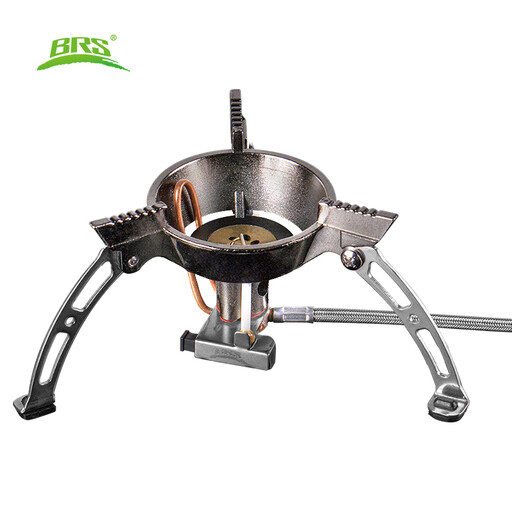
Why This Fits Their Persona: A great fit for those on shorter trips or group expeditions (like DofE) where stability and power are more important than shaving every last gram. It can handle larger pots for more substantial meals.
This stove directly solves the stability problem. Its wide, non-slip folding bracket provides a much more secure platform than tiny ultralight models, reducing the risk of spills on uneven ground.
It offers a high power output of 3240W for rapid boiling and a strong load capacity of up to 5kg. The included windproof design adds to its reliability in typical British weather.
We have compiled a complete, real-time list of products that fully satisfy these strict selection criteria and UK safety regulations.
The lifespan of a titanium stove is generally very long due to the material's resistance to corrosion and high strength. With proper care, the main body can last for many years. The most common points of wear are the folding pot supports and the O-ring seal in the valve assembly. Always check the O-ring for cracks before a trip and avoid bending the pot supports unnecessarily.
The initial purchase price is only part of the cost. The true running cost is determined by fuel consumption. A more efficient stove, particularly one with a heat exchanger, will use less gas to boil the same amount of water. This means you buy fewer EN 417 threaded gas canisters over time, saving money and reducing pack weight on longer treks.
While the BRS 3000T stove can technically heat any pot, it is not advisable. Its very small and lightweight pot supports are designed for small-diameter, solo pots (typically 500ml to 900ml). Using a wide, heavy or oversized pot will make the entire setup extremely unstable and hazardous. It is crucial to match your pot to your stove's design for safe and effective use.