Shared-desk family historian
You switch between users or laptops at the same desk. A screen that can be repositioned, a compatible docking connection and a manageable footprint matter more than maximum width.


Choose a height-adjustable 27-inch 4K monitor for family-tree mapping when desk space is limited, several people share the screen, or readable records in a conventional footprint matter most. A 34–40-inch ultrawide makes more sense for a regular user who wants the tree, sources and notes spread across one continuous canvas, provided the shared desk can accommodate its width. If workers use display screen equipment daily for continuous periods of an hour or more, the Health and Safety Executive says the whole workstation needs assessment; monitor features alone do not settle the setup.
You switch between users or laptops at the same desk. A screen that can be repositioned, a compatible docking connection and a manageable footprint matter more than maximum width.
You regularly keep a branching tree beside source records, notes and browser windows. You can give a wider display a stable place on the desk.
You spend time arranging small names, dates and scanned records. You want a conventional-sized screen with enough resolution for detail, while keeping text at a comfortable scale.
For family-tree work at a shared desk, decide whether continuous horizontal space or a compact, adaptable setup matters more; then check that the screen works with each laptop and the available desk space.
Consider it when: Several people share a compact desk and want detailed records on a screen they can reposition.
Trade-off: Its 16:9 canvas is narrower than an ultrawide, and one-cable use depends on laptop compatibility.
Consider it when: Sharing the connection between laptops takes priority over fitting more detail on screen.
Trade-off: At the same screen size, QHD has fewer pixels than 4K for arranging dense labels and records.
Consider it when: One regular user wants a tree, source records and notes visible across a continuous workspace.
Trade-off: Its greater physical width needs more desk space and may complicate handovers at a frequently rearranged workstation.
| Concern | What to check | Who this matters to |
|---|---|---|
| Room for the tree and records | Compare native resolution, aspect ratio and physical width with the desk and the way your mapping software arranges windows. | I want the tree open beside records and notes without continually changing windows; around 36% of consumers put continuous workspace first. |
| Laptop handovers | Check each laptop's USB-C or Thunderbolt video support and charging needs, plus the monitor's stand and required ports. | Different people connect their laptops at my desk, so changing over and repositioning the screen needs to be straightforward; roughly 29% of consumers make shared-desk adaptability their primary concern. |
| Names and record detail | Compare 27-inch 4K and QHD using comfortable operating-system scaling and your usual genealogy software. | I work with dense names, dates and scanned material on a compact screen; about 21% of consumers prioritise readable detail. |
| Positioning and glare | Consider stand adjustment and screen reflections as part of the chair, desk, lighting and work routine. | Changing seats or lighting makes screen position particularly important to me; around 14% of consumers put workstation comfort and setup first. |
A wider canvas can accommodate side-by-side windows, but it also occupies more of a shared desk. BenQ specifies a width of 825.8 mm with the stand for the PD3420Q.
Measure the available width and depth, leaving space for documents, a keyboard and cables. Check that each regular user can position the screen comfortably.
A monitor's power-delivery rating does not establish that a particular laptop can send video over its USB-C port or accept that charging output.
Check the laptop manual for USB-C DisplayPort Alt Mode or Thunderbolt video support, its charging requirements and any relevant display limitations.
The Health and Safety Executive identifies workstation design, reflections and work routines as relevant to display-screen use. It says employers must assess workstations for workers who use display screen equipment daily for continuous periods of an hour or more.
Consider screen adjustment alongside the chair, desk, lighting, reflections and breaks rather than relying on an anti-glare finish or adjustable stand alone.
Dell's UltraSharp range includes 27-inch hub monitors and a larger curved ultrawide relevant to shared-desk connections and mapping space.
The ProArt PA279CRV is a conventional 27-inch 4K option with USB-C connectivity and stand adjustment.
The PD3420Q is a wider-format option for keeping a tree and supporting windows alongside one another.
The E27k G5 is a 27-inch 4K business-display reference for buyers considering screen positioning and reflections.
These models offer conventional-format 4K screens for reading records and positioning a display at a shared desk. Check each laptop's connection needs separately; the larger BenQ model also needs more desk space.
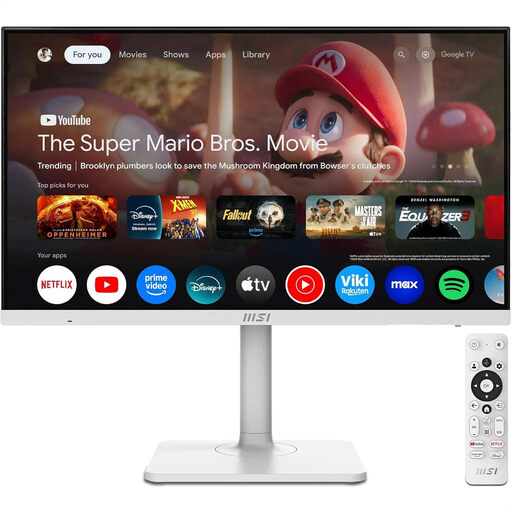 No image available
Consider this 27-inch screen when detailed tree labels and records need to fit on a conventional desk.
The product name specifies an IPS panel and USB-C 65 W power delivery. Check that the intended laptop supports USB-C video and that its charging needs fit the connection before relying on one cable.
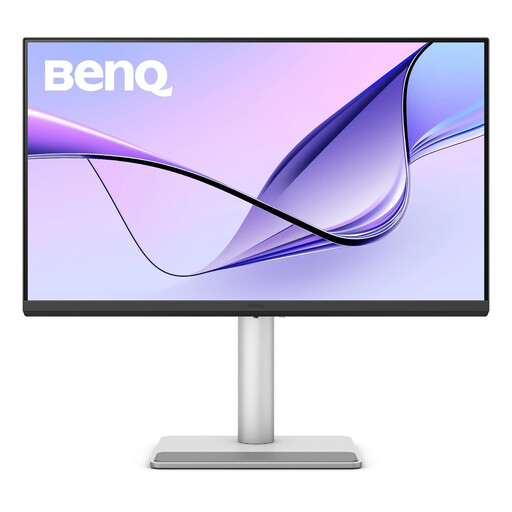 No image available
This 27-inch model suits a desk where detailed records and height adjustment matter.
Its product name specifies a Nano Glossy IPS panel, USB-C and a height-adjustable stand. Check reflections in the shared office and confirm compatibility with every intended laptop, particularly if the desk is not used solely with Macs.
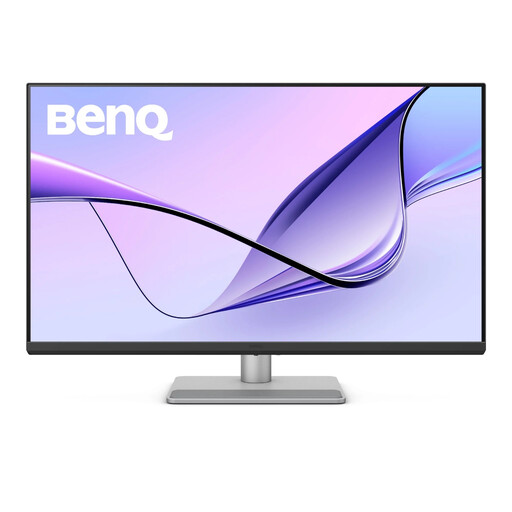 No image available
Consider the larger conventional-format screen if the shared desk has room and a regular user wants more physical space for a tree and supporting windows.
The product name specifies a Nano Glossy IPS panel, USB-C and a height-adjustable stand. Measure the desk, consider reflections and check the intended laptops' video and charging compatibility.
 No image available
This conventional-sized 4K screen is worth considering when record detail and screen positioning matter more than a wider canvas.
The product name specifies a 60 Hz panel, HDMI, DisplayPort and a height-adjustable stand. If one-cable laptop docking is essential, check the required connection features before choosing it.
Choose a 27-inch 4K screen if a shared, space-limited desk and detailed text are the priorities. A 34–40-inch ultrawide is more appropriate when a regular user has room for a continuous tree-and-records workspace; check its physical width before committing desk space.
No: one-cable video, data and charging depend on both the monitor and each laptop. Check the laptop's USB-C DisplayPort Alt Mode or Thunderbolt video support and charging requirements against the monitor's connections and power-delivery rating.
No. The Health and Safety Executive says employers must assess workstations for workers who use display screen equipment daily for continuous periods of an hour or more. Screen height is one part of a setup that also involves the desk, chair, lighting, reflections and work routine.