People counting calories
If you might eat the whole tin, you need its whole-tin calories rather than a figure for 100 g or half a tin.


Choose tinned soup using the calories for the amount you will actually eat, then check salt, ingredients and anything you plan to serve with it. A low-calorie can may suit a snack or starter, but the calorie figure alone cannot tell you whether it meets your needs as a meal. As the NHS explains, weight management depends on overall energy intake rather than one product.
If you might eat the whole tin, you need its whole-tin calories rather than a figure for 100 g or half a tin.
If soup will be lunch rather than a starter, consider its ingredients and any protein, vegetables or side dish you intend to add. Count those additions as part of the meal.
If tinned soup is a frequent choice, compare salt for the portion you will eat as well as calories. The NHS advises adults to have no more than 6 g of salt a day.
Start with the portion you expect to eat, then check what else matters to that meal; an under-500-calorie figure is only one part of the decision.
| Priority | What to check | Your needs |
|---|---|---|
| Portion calories | Check whether kcal is given per 100 g, serving or tin. Use the number of servings you will eat and count toppings and sides separately. | I might eat the whole tin, even when the label defines a smaller serving. |
| Meal ingredients | Look at the ingredient list and the stated protein and fibre amounts for your portion. Decide what, if anything, you will serve alongside the soup. | For lunch, I want to plan the complete meal rather than choose solely by the lowest kcal figure. |
| Salt | Compare grams of salt for the amount you will eat. Tesco Groceries lists 1.7–1.9 g per tin across its Heinz Weight Watchers Tomato, WW Carrot & Lentil and Heinz Weight Watchers Chicken listings; the NHS advises adults to have no more than 6 g a day. | If soup is a regular lunch, I want its salt included when considering the rest of my day. |
| Dietary suitability | Read the current ingredient and highlighted allergen information on the exact variety. Do not use a vegetable name or a low-fat label as a substitute. | I need to know whether this particular recipe meets my ingredient or allergen requirements. |
Sainsbury's lists its Be Good To Yourself Spiced Lentil & Tomato Soup at 98 kcal per half-tin. Eating its two-serving tin means 196 kcal before any additions.
Check the stated serving size and calculate the amount you will eat; count bread, toppings and other sides separately.
A tin's calorie total does not describe the complete meal, particularly if you intend to add other foods.
Decide whether you want a snack, starter or lunch, then check the soup's ingredients and plan any accompaniment within the meal's total.
Tesco Groceries lists 1.7–1.9 g of salt per tin for three of its low-calorie Heinz and WW soups. The NHS advises adults to have no more than 6 g of salt a day.
Compare salt for the portion you will eat, particularly if soup appears regularly in your meals.
A soup's name or front-of-pack wording does not establish whether its current recipe meets a particular ingredient or allergen requirement.
Read the ingredient and allergen panel on the exact tin before buying it.
These examples illustrate ranges and label checks; a brand name alone does not establish the calories or suitability of every soup it sells.
Its Weight Watchers Tomato and Chicken tins provide two individually labelled examples to compare.
Its UK condensed-soup range may be used as a soup or as an ingredient.
Tesco Groceries lists own-label low-fat soups alongside other brands' tinned options.
Its Be Good To Yourself Spiced Lentil & Tomato Soup is a pulse-based example with two stated servings per tin.
The Just Essentials Tomato Soup listing is an own-label option to assess by its current pack.
Its tinned-soup range includes products marked Eat Well.
These Joybuy listings cover several tinned soups and a sweet, dessert-style soup. For an under-500-calorie choice, check the current nutrition label for the portion you will eat; the dessert-style option serves a different purpose from a savoury lunch.
 No image available
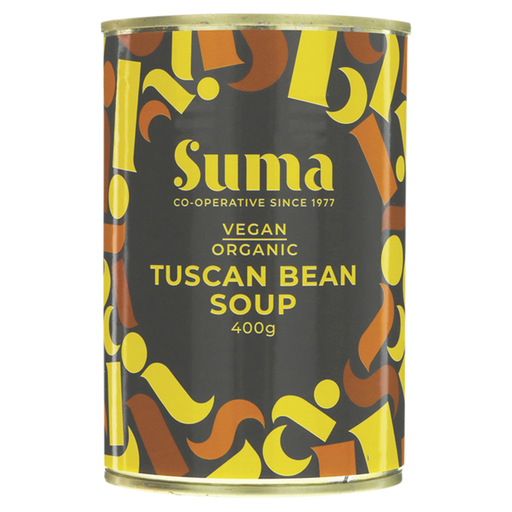
For a bean soup as part of lunch, decide how much of the 400 g tin you will eat and check the current label's calories, protein, fibre and allergens for that portion.
 No image available
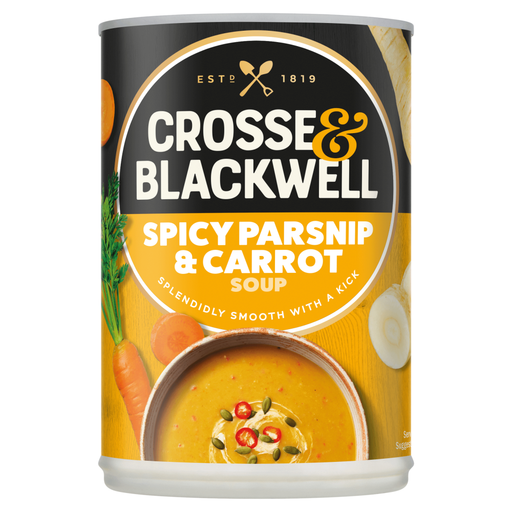
If a vegetable soup suits your meal, use the current label to calculate calories and salt for the amount you will eat from this 400 g tin. Check the allergen panel against your requirements.
No image available
For a measured portion of this 400 g tin, check how the label defines a serving before counting calories. Read its current ingredient and allergen information if either affects your choice.
 No image available
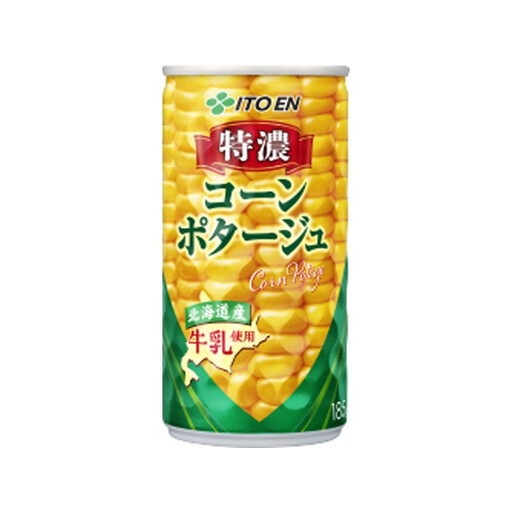
The 185 g can is a smaller portion to consider. Check its current pack for calories, ingredients and allergens, and confirm the carbohydrate and sugars figures before using them to compare products.
 No image available
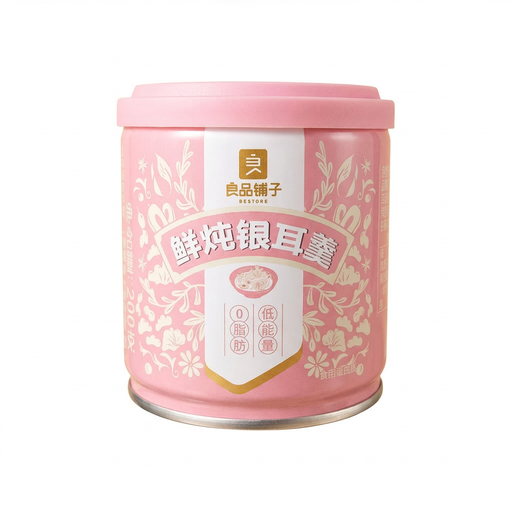
Consider this 200 g sweet, dessert-style soup as a separate choice from a savoury meal. Check the current label for its portion calories, ingredients and salt if those affect your decision.
No. The NHS explains that weight loss depends on taking in less energy than you use. Count the portion you eat and anything served with it as part of your overall intake, rather than treating one tin's calorie figure as the outcome.
Use the calories for the amount you will actually eat. If you eat both servings from a two-serving tin, count both; Sainsbury's lists its Be Good To Yourself Spiced Lentil & Tomato Soup at 98 kcal per half-tin, or 196 kcal for the whole tin.
Yes. Compare salt for your portion separately from calories. Tesco Groceries lists 1.7–1.9 g per tin for its Heinz Weight Watchers Tomato, WW Carrot & Lentil and Heinz Weight Watchers Chicken soups; the NHS advises adults to have no more than 6 g of salt a day.
No. Check the current ingredient and highlighted allergen panel for the exact variety. A vegetable name does not establish whether a particular recipe meets vegan or allergen requirements.
Follow the storage and use-by-opening instructions on that soup's pack. Check them before saving a second portion, rather than assuming every product has the same directions.