
24/7 全天候客户支持

免费退货

当日/次日达

品质保障

开启新人专享福利: 全场免邮 | 低至 2 折 | 免费试用 30 天 JoyPlus 会员
下载 Joybuy
Choosing among Under Armour men's trainers is less about selecting the most technical-looking design and more about matching the shoe to how you actually move. A pair suitable for pavement running may feel unstable under a barbell, while a low-profile gym trainer can feel too firm for longer walks.
This guide from the Joybuy Product Recommendation Officer focuses on practical specifications, common buying traps and suitable options for different UK lifestyles.
Marketing often presents one pair as suitable for running, lifting, walking and high-intensity sessions. In practice, these activities place different demands on footwear.
Running shoes usually prioritise cushioning, flexibility and a smooth heel-to-toe transition. Training shoes tend to use a broader, flatter base for stability during lateral movements and lifts. If you regularly squat, deadlift or perform rope climbs, a soft, tall midsole may reduce your sense of contact with the floor.
A heavily cushioned shoe can feel comfortable when walking around a shop, but comfort alone does not indicate suitability for gym work. Look for the structure underneath the foot, including the midsole geometry, heel support and outsole width.
For weightlifting and cross-training, a low offset and firm heel can provide a more grounded feel. For road running, cushioning and a suitable offset may be more relevant, particularly if you are building up weekly mileage.
Under Armour sizing charts commonly show UK, US and European equivalents, but the shape of the upper can vary between models. A structured training shoe may feel more secure than a soft running shoe, while a close-to-foot mesh upper can feel narrower across the forefoot.
Measure both feet while standing, ideally at the end of the day, and compare the longer foot with the product’s centimetre measurement. Leave enough room for natural toe movement without allowing the heel to lift.
Cushioning affects impact feel and responsiveness. Technologies such as Charged Cushioning and UA HOVR are product construction features, not guarantees of improved performance or medical benefits. Consider the intended activity:
Check whether the outsole is rubber and where it is placed. Full-rubber coverage and side wrap can improve resistance to abrasion, while dedicated grip zones may be useful for rope climbs, pushing movements or gym-floor changes.
For outdoor use in the UK, a rubber outsole can provide practical traction on ordinary pavement, but no trainer should be treated as automatically suitable for icy, flooded or unusually slippery surfaces.
Breathable mesh helps ventilation during longer sessions, while leather or synthetic overlays can add structure in high-wear areas. A heel counter, external clip or supportive collar can help reduce unwanted movement inside the shoe.
Also check care requirements. Most pairs listed here should be wiped with a damp cloth, brushed gently and air-dried away from direct heat. Machine washing, bleach and tumble drying can affect materials and adhesives.
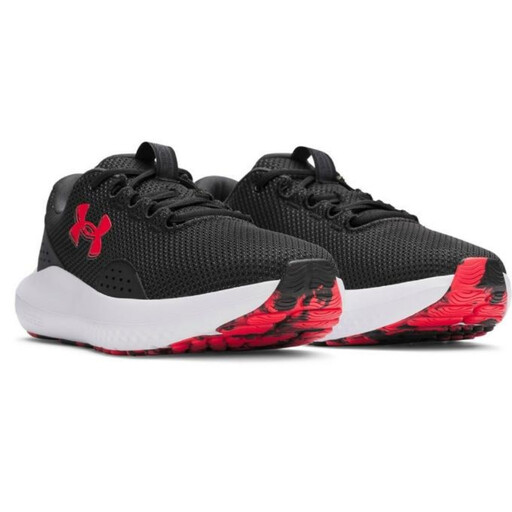
Why This Fits Their Persona: A practical choice for beginners combining morning jogs, casual walks and gym warm-ups in one lightweight pair.
Its stated uses are centred on running, walking and warm-ups rather than promising specialist lifting support.
Breathable mesh upper, responsive cushioned midsole and rubber outsole for pavement and gym floors.
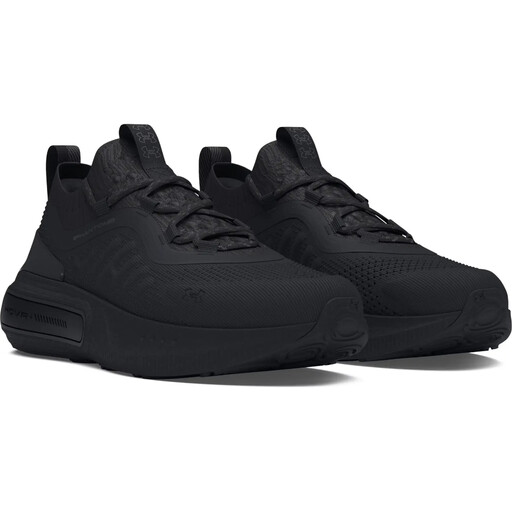
Why This Fits Their Persona: Suits users who prioritise a plush step-in feel for running, commuting and everyday casual wear.
The product description clearly focuses on cushioning, comfort and versatile wear rather than heavy lifting stability.
UA HOVR cushioning, moulded soft insole, mesh collar and rubber outsole.
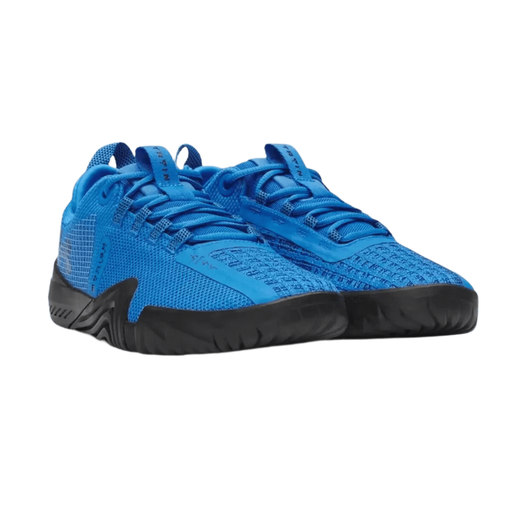
Why This Fits Their Persona: Designed for regular gym users focused on weightlifting, cross-training, rope work and high-intensity intervals.
Its low 2mm offset, firmer heel and ground-contact design address the stability problem found in soft running shoes.
UA WARP upper, external heel clip, internal heel counter, UA TriBase technology and medial rope grip.
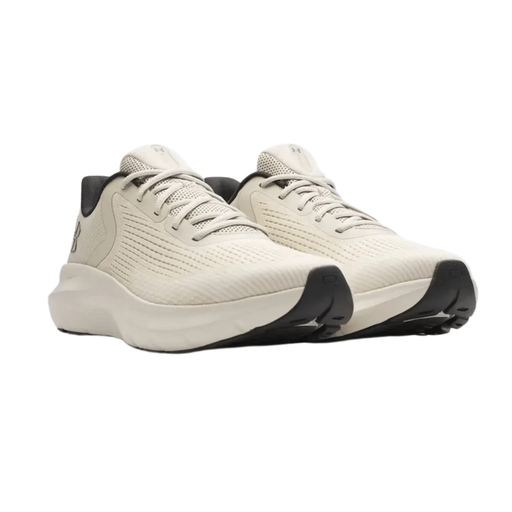
Why This Fits Their Persona: A flexible option for daily runs, commuting, errands and casual outfits where breathability matters.
The neutral design and 8mm offset make its intended running use clear, avoiding vague claims of specialist support.
Engineered mesh upper, Charged Cushioning midsole, Deluxe Comfort System sockliner and rubber outsole.
We have compiled a complete, real-time list of products that fully satisfy these strict selection criteria and UK safety regulations.
A trainer’s lifespan depends on body weight, surface, frequency and workload. Instead of relying on a fixed number of months, inspect the outsole for worn tread, the midsole for permanent compression and the upper for stretching or separation. Runners should also pay attention to changes in comfort or stability.
Rotate pairs when possible, especially during wet UK weather. Remove surface dirt after use, let shoes dry naturally and avoid placing them on radiators. Use the product’s own UK size chart rather than assuming every model has an identical fit.
Some are. Training models such as the Reign 6 and Project Rock BSR 5 are designed around gym movements, grip and stability. Running models such as the Rogue 5, Surge 4 and Charged Assert 10 are more appropriate for running, walking and warm-ups.
Set the budget according to use rather than appearance. Occasional users may only need breathable uppers, basic cushioning and a durable rubber outsole. Frequent lifters may benefit from features such as a low offset, structured heel and wider ground contact.
Generally, running shoes can be practical for walking if the fit is comfortable and the outsole suits your usual surfaces. However, their cushioning and shape may feel less stable for heavy lifting or repeated side-to-side gym movements.