
24/7 Customer Support

Free returns

Same-day & Next-day Delivery

Quality Guaranteed

Unlock Your Welcome Offers: FREE Delivery | Up to 80% OFF | Free 30-day JoyPlus trial
Download the APP
The skin under our eyes is delicate and often the first place to show signs of a late night or the natural ageing process. Finding an effective under eye concealer that covers dark circles without settling into fine lines can feel like a difficult task. With so many formulas, shades and finishes on the market, it is easy to feel overwhelmed.
This guide is designed to simplify your search. We will walk through the key features to look for in a concealer and provide some of our top recommendations for 2026, helping you choose a product that leaves your under-eye area looking brighter and smoother.
Navigating the world of concealers is much simpler when you know what to look for. Here are a few practical points to consider to ensure you find a formula that meets your needs.
The texture of your concealer plays a significant role in its performance. Liquid concealers are a popular choice for the under-eye area as they are typically lightweight and offer buildable coverage. They blend easily and are less likely to look heavy. For those with dry or mature skin, a hydrating, satin-finish formula is often ideal, as it can help prevent the product from accentuating texture. A crease-resistant concealer is essential for a smooth, long-lasting finish that does not require constant touch-ups.
Choosing the right shade is crucial for natural-looking coverage. For concealing dark circles, it is often recommended to select a shade that is one to two levels lighter than your skin tone or foundation. Pay close attention to the undertone. A brightening concealer with a peachy or yellowish undertone can be particularly effective at neutralising the blue or purple tones common in dark circles. This colour-correcting property helps to create a more even and awake appearance.
Modern concealers often do more than just cover imperfections. Many formulas are now infused with skincare ingredients that offer benefits over time. An anti-ageing concealer might contain ingredients like hyaluronic acid for hydration, vitamin C for brightening or peptides to support skin firmness. These additions can help to improve the skin's texture and appearance, making them a smart choice for daily use.
Here are a few standout options that deliver on coverage, finish and wear, each catering to slightly different needs and preferences.
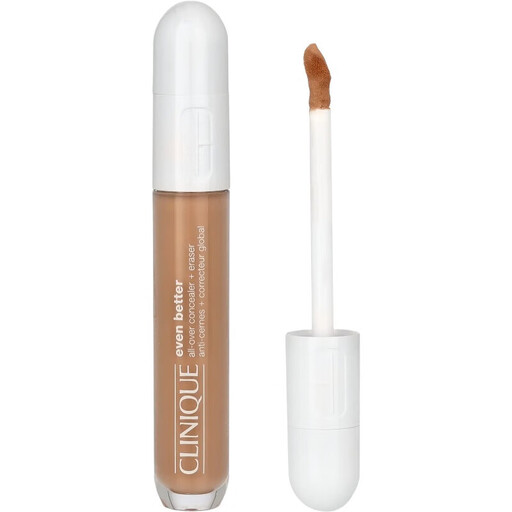
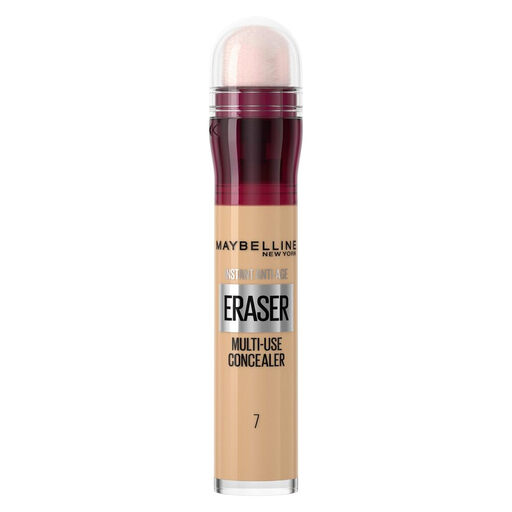

While the right concealer is key, achieving a flawless application often comes down to the tools you use. From precise brushes to innovative applicators, exploring different tools can elevate your makeup routine. Discover our selection of precision Rubber Pens and other essentials to perfect your technique.
To prevent creasing, start with a hydrated but not greasy under-eye area. Apply a thin layer of concealer and blend it well with a damp makeup sponge, a brush or your ring finger. Immediately set the concealer with a very light dusting of translucent setting powder to lock it in place.
For the under-eye area, your concealer should generally be one to two shades lighter than your foundation to create a brightening effect. For concealing blemishes on the rest of your face, it is best to use a concealer that matches your foundation shade exactly for a seamless blend.
Yes, absolutely. Using an under eye concealer on its own is a great way to quickly brighten your face and look more awake without applying a full face of makeup. Simply apply it to the under-eye area and any other spots you wish to cover, blend the edges carefully into your skin, and you are ready to go.