
24/7 Customer Support

Free returns

Same-day & Next-day Delivery

Quality Guaranteed

Unlock Your Welcome Offers: FREE Delivery | Up to 80% OFF | Free 30-day JoyPlus trial
Download the APP
Puffy, tired-looking eyes can be more noticeable after late nights, long screen hours, travel or seasonal dryness. However, choosing between under-eye depuffing products is not as simple as selecting the most persuasive label. Eye gels, creams, serums, patches and massage devices work in different ways, and the wrong format may end up unused in a bathroom drawer.
A cold roller or hydrogel patch can feel refreshing immediately, but that sensation does not automatically mean puffiness or dark circles will remain reduced all day. Cooling may temporarily make the eye area look more awake, while ingredients such as glycerine, hyaluronic acid or panthenol support hydration.
Look for a product that clearly explains both its sensory benefit and its ongoing skincare purpose. Be cautious of vague promises involving permanent lifting, dramatic transformation or guaranteed results.
The skin around the eyes is delicate. Fragrance, essential oils, alcohol or multiple botanical extracts may not suit everyone, particularly those prone to sensitivity. “Natural” does not automatically mean irritation-free, and a fragrance-free product is not necessarily suitable for every individual.
Read the full ingredient list on the packaging, follow the product warning and perform a patch test where appropriate. Avoid applying any eye treatment to broken, inflamed or irritated skin.
An eye massager for puffiness may sound convenient, but cordless devices need charging and cleaning. Heat and cold settings also require careful use around the eyes. If a device is too bulky for your morning routine or difficult to wipe clean, its features may not justify the price.
For many shoppers, a lightweight cooling eye roll-on or eye serum is easier to use consistently than a multi-function device.
Choose the format that matches how you will use it:
Check whether the applicator requires pressure. The under-eye area should be treated gently, without dragging the skin.
For tired-looking or dehydrated skin, look for humectants such as glycerine, hyaluronic acid, sodium hyaluronate or panthenol. Caffeine is commonly used in refreshing eye products, while niacinamide may be included in formulas targeting uneven-looking tone and surface texture.
If your main concern is visible dullness, brightening eye products may contain vitamin C derivatives or botanical extracts. For an anti-ageing eye treatment, check whether the product focuses on moisturisation and the appearance of fine lines rather than making medical or permanent claims.
A 12–15ml eye product may look small, but only a small amount is normally needed per application. Check the recommended frequency and packaging instructions rather than judging value by bottle size alone.
Fragrance-free, allergy-tested or ophthalmologist-tested descriptions can be useful points of comparison, but they do not guarantee that a product will suit every user. Follow the warning instructions, avoid direct eye contact and stop use if redness, itching or discomfort develops.
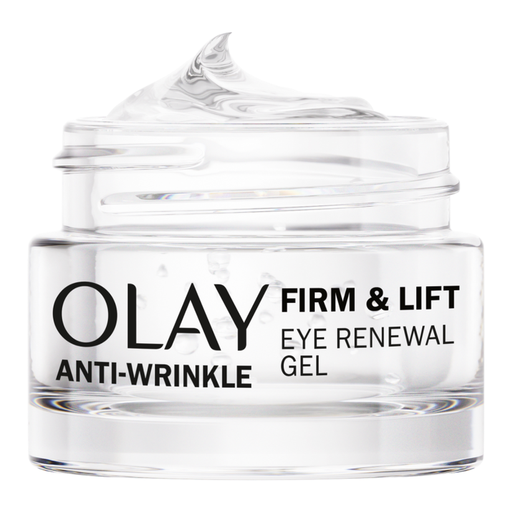
Why This Fits Their Persona: A straightforward morning-and-evening gel for shoppers starting an eye-care routine without adding a device or treatment patches.
Its lightweight gel format is clearly positioned for the eye area, helping avoid an unnecessarily heavy face cream or complicated routine.
Contains niacinamide, panthenol, glycerine and sodium hyaluronate; the fast-absorbing texture is designed for morning and evening use.
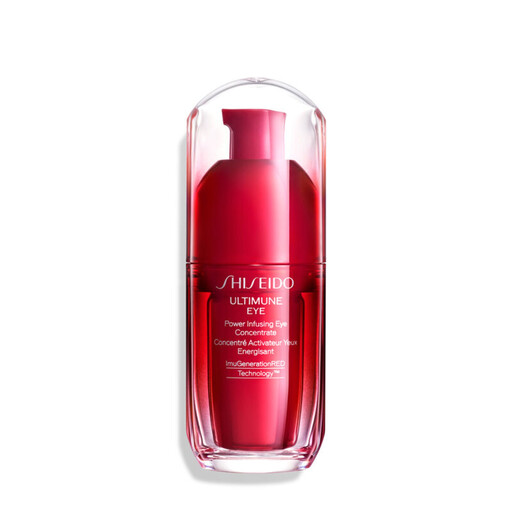
Why This Fits Their Persona: Suits shoppers seeking a more substantial daily concentrate with a lightweight, non-sticky finish.
The product information identifies its texture, application steps and ingredient list, making it easier to compare with fragranced or heavier alternatives.
Designed for morning and evening use; includes glycerine, ectoin and several plant extracts in a fluid concentrate format.
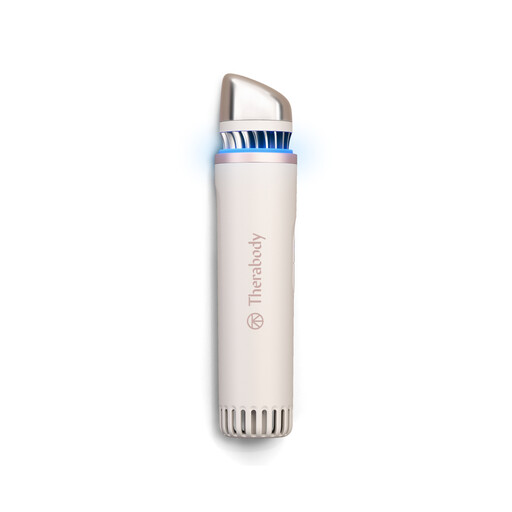
Why This Fits Their Persona: A cordless option for frequent travellers or users who want a dedicated cold-and-heat facial routine beyond topical skincare.
Its two-button controls, contoured applicator and stated cordless runtime make the practical requirements more visible than vague device claims.
Offers cold and heat modes, three temperature levels for each treatment and up to 30 minutes of cordless use.
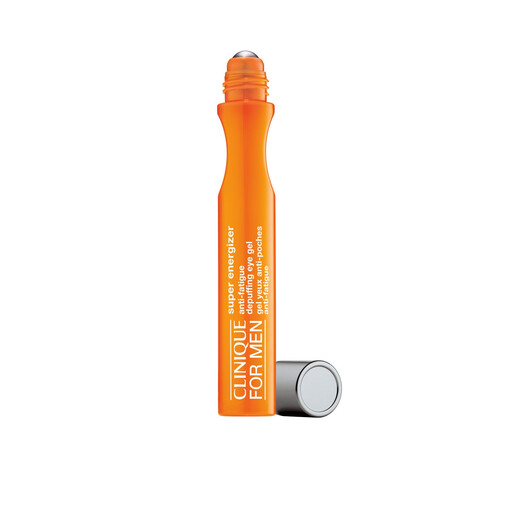
Why This Fits Their Persona: The compact roll-on is convenient for a desk drawer, overnight bag or quick refresh after commuting.
The product uses a clearly described cooling roll-on and lightweight gel rather than relying only on broad fatigue-related marketing language.
Contains hyaluronic acid and caffeine; the 15ml fragrance-free, allergy-tested formula is designed for portable daily use.
We have compiled a complete, real-time list of products that fully satisfy these strict selection criteria and UK safety regulations.
Use a small amount on clean, dry skin and gently pat along the orbital bone. With roll-ons, use light pressure from the inner corner towards the outer corner. Avoid direct contact with the eyes and do not apply over irritated skin. Follow the individual product instructions, particularly for patches and heated devices.
Shelf life varies according to the formula, packaging and storage instructions. Check the batch information, expiry guidance and period-after-opening symbol on the packaging. Close containers promptly and store them away from direct sunlight or extreme temperatures. Single-use patches should not be reused.
Topical products have no charging cost, while a cordless eye massager uses electricity to recharge its battery. The practical cost also includes replacement skincare, patch frequency and whether you use the device regularly. A simple gel or cooling eye roll-on may be more economical for daily use, whereas a device can provide a reusable alternative for shoppers who will maintain a consistent routine.