Small-kitchen dessert keepers
If preparation or serving needs the worktop, an undercounter fridge is worth considering. Measure the proposed space before choosing between a narrow model and a larger larder fridge.


Choose an undercounter larder fridge if a measured space beneath the worktop can accommodate it and chilled desserts are the main storage need. Check the full appliance dimensions and door-opening space before comparing chilled capacity and shelf layout; a narrower fridge may fit the gap but leave less room for dessert boxes. If you store desserts for a food business, temperature checks and protection from contamination also matter.
If preparation or serving needs the worktop, an undercounter fridge is worth considering. Measure the proposed space before choosing between a narrow model and a larger larder fridge.
Several tubs, trays or boxed desserts need usable shelf space as well as chilled capacity. Check container dimensions against the internal layout, especially if a freezer box takes up part of the appliance.
For a food business in England, Wales or Northern Ireland, GOV.UK states that chilled food must be kept at 8°C or below. Choose storage and a checking process that can maintain the required food temperature and protect ready-to-eat desserts from contamination.
Start with the space the fridge must occupy, then decide how much of its interior needs to hold chilled desserts. A freezer compartment is useful only if frozen storage matters more than the chilled space it takes up.
Choose when: Width is the limiting measurement and dessert quantities are modest.
Trade-off: A 47 cm-wide LOGIK model is listed with 90 litres of capacity; check that its smaller interior accommodates your containers.
Choose when: A gap around 54–56 cm wide is available and chilled storage is the main purpose.
Trade-off: Beko UK, Bosch GB, Indesit UK and Russell Hobbs specify examples with 127–134 litres of chilled capacity, but the wider body and individual shelf layout still need measuring.
Choose when: You also need a little frozen storage and cannot use a separate freezer.
Trade-off: A cited example divides 113 litres of total storage into 97 litres for the fridge and 16 litres for the freezer.
| Concern | What to check | Who this matters to |
|---|---|---|
| Fit and clearance | Measure available width, height and depth; check installation clearance and the space needed to open the door. | I need the worktop free, but the fridge must also fit its intended spot and remain easy to open. Roughly 42% of consumers would put physical fit first. |
| Chilled space and layout | Compare chilled-compartment capacity, shelf positions and the dimensions of your dessert boxes or trays. | When I prepare several desserts at once, I need room for the actual containers, not just a larger headline capacity. Around 33% of consumers would make usable chilled space their primary concern. |
| Temperature and hygiene | For food-business use, plan how to check food temperature and keep raw food apart from ready-to-eat desserts. | If I sell chilled desserts, I need storage that works with my temperature-checking and contamination-control process. Approximately 25% of consumers would place those controls first. |
An icebox reduces the space available for desserts. A cited fridge has 113 litres of total storage, of which 97 litres is fridge space.
Compare fresh-food capacity and shelf layout if chilled desserts are the main reason for buying.
A fridge can fit when closed yet obstruct a nearby walkway or cabinet when opened. The Kenwood KUL55XD25 is listed at 56 cm deep and 113 cm deep with its door open to 90°.
Measure height, depth, nearby obstructions and door swing, then check the exact model’s installation instructions.
A control setting alone does not show the temperature of the stored food. GOV.UK states that food businesses in England, Wales and Northern Ireland must keep chilled food at 8°C or below.
Use an appropriate temperature-checking process, follow storage labels and investigate readings outside your operating limit.
Installation conditions vary by model. The listing describes the Kenwood KUL55XD25 as unsuitable for outbuildings and gives an optimum ambient range of 16–38°C.
Check the chosen model’s climate class, ambient range and manual before placing it in a garage, shed or unheated utility area.
These model examples illustrate different dimensions and storage features; the brand name alone cannot establish whether a fridge fits your space or dessert containers.
Beko UK specifies the freestanding UL4584 larder fridge at 84 × 54 × 59 cm with 128 litres of fresh-food volume.
The Indesit I55R1 112S UK represents a 54 cm-wide undercounter format with 128 litres of chilled volume.
Bosch GB specifies the Series 2 KTR15NWEAG at 850 × 560 × 580 mm with 134 litres of chilled volume.
Russell Hobbs specifies the RH85UCLF552E1W as a 127-litre larder fridge measuring 85 × 55 × 58 cm.
The KUL55XD25 is listed at 84.5 × 55 × 56 cm with 127 litres of capacity.
These choices cover undercounter fridges for measured gaps and smaller fridges for modest amounts of chilled storage. Check placement particularly carefully for the mini and countertop models: a compact fridge does not necessarily preserve worktop space.
 No image available
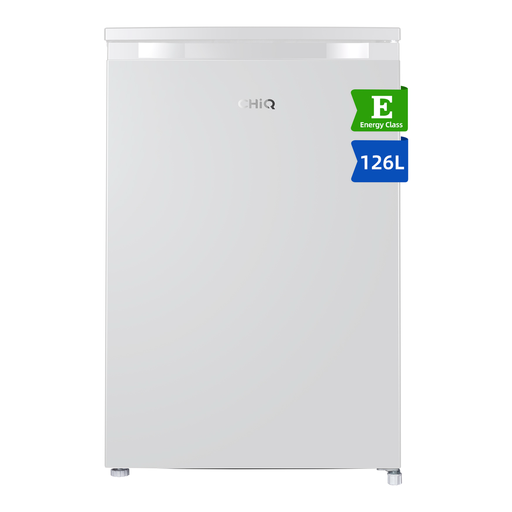
Consider this freestanding undercounter format if the intended gap can accommodate it. The product name states 126L and 55cm; check usable shelf space for your dessert containers and whether the stated capacity is entirely chilled storage.
 No image available
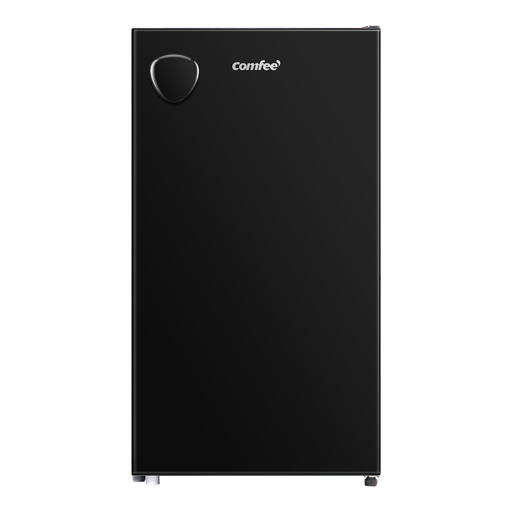
This undercounter model is an option for modest dessert storage where space is tight. Its name lists 88L, removable glass shelves and a cooler box; the cooler zone is described for short-term use only, not longer-term dessert storage. Check the main compartment and shelf clearances against what you intend to store.
 No image available
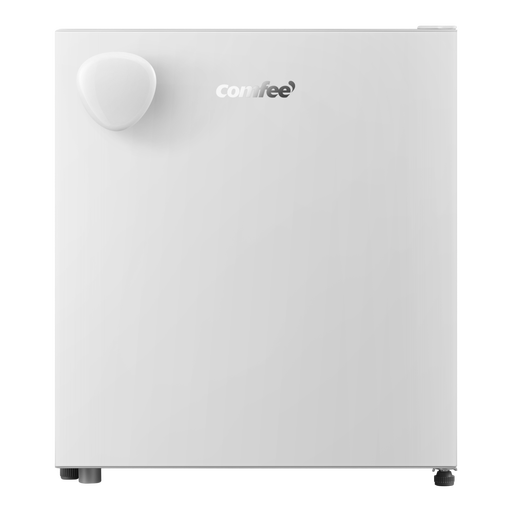
Consider this for a small amount of chilled storage only if its final position keeps the worktop available. The product name states 43L and a width of 44.5 cm; confirm its height, depth, door-opening space and temperature range before choosing it for desserts.
 No image available
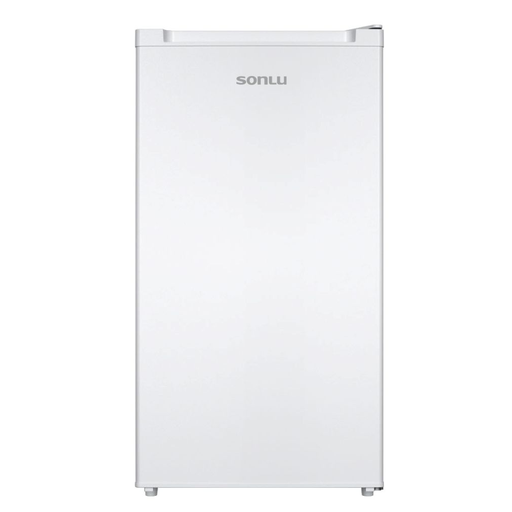
This larder format may suit a measured undercounter space and chilled-only storage. The product name states a 55cm width, but capacity figures for this model conflict; confirm the exact capacity before comparing it with other fridges. Check whether your dessert containers fit between its fixed shelves.
 No image available
This 82L model is a choice for smaller quantities of chilled food, but its countertop positioning could use the space you want to keep clear. Confirm its complete dimensions and installation requirements before considering another placement; check container fit for larger dessert batches.
Allow enough space for the exact model’s width, height and depth, its installation clearances and the door to open. Measure skirting, sockets and nearby cabinets as well as the empty gap; a fridge that fits when closed may still be awkward to use.
Compare chilled-compartment capacity if desserts are the priority. A cited example has 113 litres in total, but 97 litres belongs to the fridge section and 16 litres to its freezer compartment; shelf spacing also determines whether your containers fit.
GOV.UK states that food businesses in England, Wales and Northern Ireland must keep chilled food at 8°C or below. It advises setting the fridge to 5°C or below to help maintain that limit when temperatures vary; check the food temperature rather than relying on the setting alone.
For food-business storage, GOV.UK advises separate fridges for raw and ready-to-eat food where possible. If they share a fridge, keep raw food below ready-to-eat desserts and protect the food from contamination.
Only if the exact model is suitable for the intended conditions. The listing describes the Kenwood KUL55XD25 as unsuitable for outbuildings, so check a fridge’s manual, climate class and ambient operating range before placing it in a garage or shed.