
24/7 Customer Support

Free returns

Same-day & Next-day Delivery

Quality Guaranteed

Unlock Your Welcome Offers: FREE Delivery | Up to 80% OFF | Free 30-day JoyPlus trial
Download the APP
Under-eye patches can be a convenient way to add hydration, cooling comfort or a brighter-looking finish to your routine. However, the category includes everything from single-use hydrogel eye patches to reusable LED devices, and the difference between a sensible purchase and wasted money often comes down to details hidden behind attractive packaging.
Before choosing under-eye patches, check the formula, wearing time, pack size and safety instructions. Marketing language such as “instant lift” or “deep repair” may describe a temporary cosmetic appearance rather than a lasting change. The following guide explains what to compare, followed by practical recommendations for different shopping profiles.
Cooling and moisture can make tired-looking under-eye skin appear smoother and fresher for a short time. This does not mean that a patch permanently removes wrinkles, dark circles or puffiness. Anti-wrinkle eye patches, collagen eye patches and brightening products should be judged by their ingredients, fit and intended use rather than dramatic promises.
Dark circles may also have different visible causes, including pigmentation, shadows caused by facial structure or a tired appearance. A brightening formula may suit dull-looking skin, but it may not address every type of dark circle.
A low-priced pack may contain only a few applications, while a larger jar may provide considerably more sessions. Compare the number of pairs or individual patches, not just the headline price. Also check whether the product is single-use. Most hydrogel patches are designed to be discarded after application.
The eye area is delicate. Fragrance, essential oils, colourants or botanical extracts may not suit everyone. Never apply patches to broken, inflamed or irritated skin, and avoid placing them directly against the eye. A patch test is a sensible precaution, particularly when trying a formula with vitamin C, botanical extracts or a complex ingredient list.
Choose ingredients according to the appearance you want to improve:
Ingredient lists are presented in descending order of concentration under standard cosmetic labelling conventions, although ingredients used at low levels can appear further down the list.
Hydrogel eye patches contain a water-rich gel that adheres to the skin and can provide a cooling sensation. Check whether the patch is thick enough to handle without tearing and whether its shape covers the under-eye area without slipping.
Typical application times vary from 10 to 30 minutes. Leaving a patch on for longer than instructed does not necessarily improve the result and may allow the gel to dry. A comfortable contour is especially important if you plan to use patches while getting ready for work or applying make-up.
A jar containing 60 pieces generally provides 30 pairs, while a 70-sheet product may require you to confirm whether the stated quantity means individual pieces or complete pairs. Use the enclosed spoon where supplied to reduce contact with the remaining product.
Store eye patches according to the packaging instructions, usually in a cool, dry place away from direct sunlight. Review the printed batch, shelf-life and ingredient information when the product arrives, as packaging information takes priority over older online descriptions.
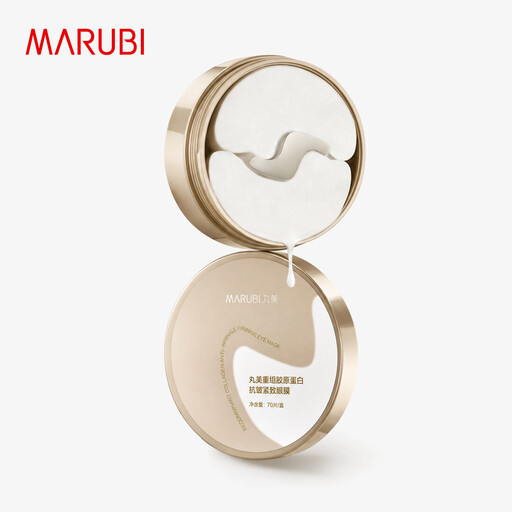
Why This Fits Their Persona: The 70-sheet format is suited to shoppers who want to introduce regular eye-mask sessions without immediately choosing a specialist device or a small travel pack.
The sheet quantity is clearly highlighted, helping you compare potential usage value rather than judging the product by its packaging alone. Confirm the number of pairs on the product packaging before use.
Large stated sheet count and a collagen-focused format for a simple, non-electronic routine.
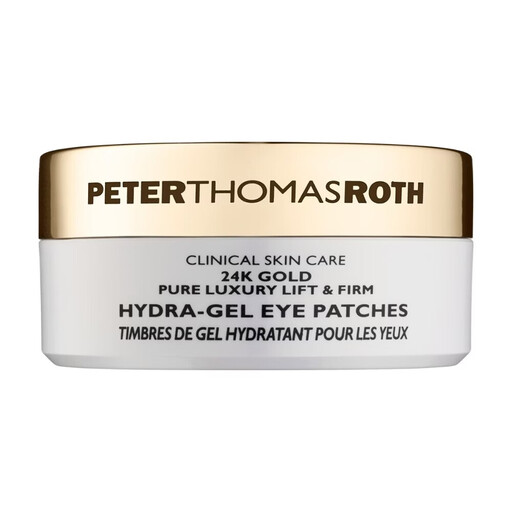
Why This Fits Their Persona: This 30-pair jar suits shoppers who value a more indulgent routine and want a clearly stated multi-use supply for home skincare.
The listing specifies 30 pairs and 60 pieces, so the application count is easier to assess. The formula also lists hyaluronic acid, hydrolysed collagen, caffeine and niacinamide alongside gold.
30-pair format and a gel formula containing sodium hyaluronate and caffeine for a moisturised, refreshed skin feel.
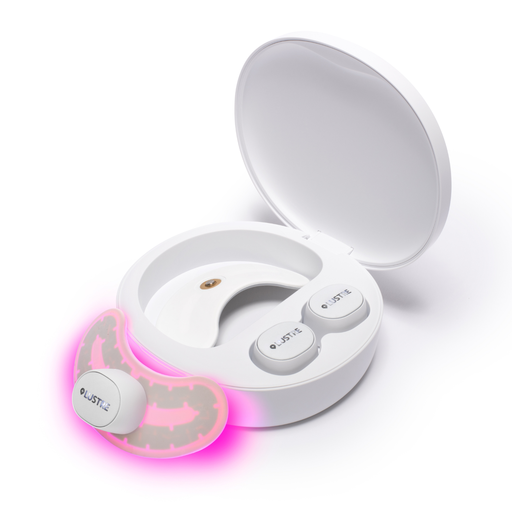
Why This Fits Their Persona: This is aimed at adults who want a repeatable, short treatment and are comfortable charging and maintaining a skincare device at home or while travelling.
The device specifies red light at 630–640nm, blue light at 415nm, a three-minute auto shut-off and a USB-C charging case, making the treatment requirements clear.
Wireless rechargeable design, flexible silicone patches and a short three-minute session. Read the manual and contraindications before use.
For a brightening-focused routine, the Peter Thomas Roth Potent-C Hydra-Gel Eye Patches list two vitamin C derivatives, aloe, cucumber, chamomile and green tea. For a smaller travel-friendly option, the Rodial Dragon’s Blood Jelly Eye Patch set contains four 3g patches and lists several forms of hyaluronic acid. Both are worth comparing if you are specifically searching for vitamin C eye patches, compact hydrogel eye patches or a pre-event refresh.
We have compiled a complete, real-time list of products that fully satisfy these strict selection criteria and UK safety regulations.
Follow the product instructions. Many products specify 10 to 15 minutes, while some hydrating hydrogel eye patches recommend 20 to 30 minutes. Remove them if you notice stinging, itching or discomfort, and do not use them on damaged skin.
Frequency depends on the formula and your skin’s tolerance. A simple hydrating mask may fit a regular routine, but products containing vitamin C, fragrance or multiple botanical extracts may be better introduced gradually. Check the packaging and perform a patch test before frequent use.
A rechargeable LED device does not create a recurring cost per patch, but it does require charging and careful cleaning and storage. Review battery information, session length and replacement accessories before buying. Do not use an LED device if the manufacturer’s contraindications apply; the GoGlow listing specifically advises consulting a healthcare provider for certain skin conditions or prescription medicines and states that it is not for use during pregnancy.