
24/7 Customer Support

Free returns

Same-day & Next-day Delivery

Quality Guaranteed

Unlock Your Welcome Offers: FREE Delivery | Up to 80% OFF | Free 30-day JoyPlus trial
Download the APP
Under-eye patches can be a convenient addition to a skincare routine, whether your concern is dehydration, tired-looking eyes, puffiness or the appearance of fine lines. However, not every product labelled under-eye patches serves the same purpose. Some are single-use hydrogel treatments, while others are reusable LED devices or outdoor masks designed to cover and protect the eye area.
The main shopping challenge is separating useful specifications from attractive but vague marketing. Before buying, check the ingredients, wear time, pack size, fit and intended use rather than relying on phrases such as “instant transformation” or “deep repair”.
Hydrogel eye patches can provide moisture and a cooling sensation while worn. Ingredients such as glycerin, hyaluronic acid and sodium hyaluronate may help the skin feel hydrated and look smoother temporarily. This is different from permanently changing dark circles, wrinkles or facial structure.
For eye patches for dark circles or under-eye patches for puffiness, consider whether the concern is caused by dryness, tiredness, pigmentation, shadowing or natural anatomy. A topical patch may improve the look of surface dryness, but it cannot be expected to address every cause.
Terms such as 24K gold eye patches, Vitamin C eye patches and PDRN collagen eye patches can make a product appear highly specialised. The practical question is how the ingredient fits into the complete formula and whether the product suits your skin.
Always check the current ingredient list on the packaging. Fragrance, essential oils, preservatives and botanical extracts may not suit everyone, particularly around the delicate eye area. A patch test and careful use away from the lash line are sensible precautions.
A reusable outdoor mask is not the same as a cosmetic eye patch. Eye protection sun masks are intended to cover parts of the face and eye corners during commuting, travel, sport or outdoor activities. They may offer a stated UPF rating and ventilation features, but they do not deliver serum-based hydration.
Likewise, LED under-eye patches are electronic devices. They require attention to the manual, charging, session times and contraindications. They should not be treated as a casual substitute for hydrogel patches.
For hydrating eye patches, look for humectants such as glycerin or hyaluronic acid derivatives. These help attract and hold water at the skin surface. Caffeine is commonly included in products positioned for the look of puffiness, while vitamin C derivatives are often used in brightening-focused formulas.
Do not assume a longer ingredient list guarantees better results. Choose a formula that matches your routine and avoid direct contact with the eyes. Stop using the product if irritation or a rash develops.
Most single-use hydrogel eye patches in this selection specify approximately 10–15 minutes of wear. Follow the manufacturer’s instructions rather than leaving a patch on until it dries, as a drying patch may feel uncomfortable and can disturb the skin when removed.
Micro-crystal patches may have a different application method and may be intended for overnight use. These products need firm but gentle placement on clean, dry skin. Do not use them on broken, inflamed or irritated skin.
A jar containing 30 pairs may suit frequent users, while a four-patch pack can be more practical for travel or occasional use. Calculate the cost per application, including whether the product is disposable or rechargeable.
Store cosmetic patches as directed, usually in a cool, dry place away from direct sunlight. For an LED device, check charging requirements, battery life, automatic shut-off and cleaning instructions. For a fabric sun mask, look at the stated care instructions because machine washing or bleach may damage the material.
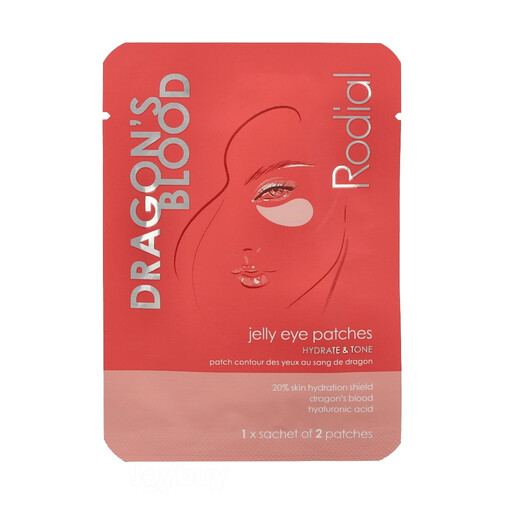
Why This Fits Their Persona: A straightforward option for occasional users who want a short, 10–15-minute hydrating step before work, an event or travel.
The four-patch format makes the usage quantity clear, reducing the risk of buying a large jar before knowing whether the jelly texture suits you.
Contains sodium hyaluronate and several hyaluronic acid forms. The jelly texture is designed for comfortable application.
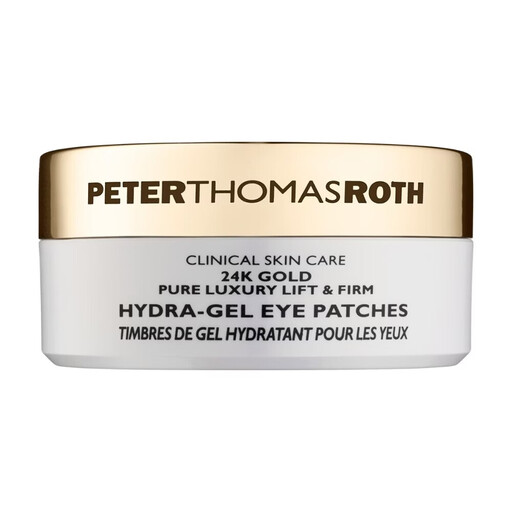
Why This Fits Their Persona: Suitable for shoppers who prefer a larger supply for repeated self-care routines and a cooling gel format.
The 60-piece quantity is stated clearly, so buyers can compare the cost per pair rather than judging value from the ingredient name alone.
Includes hyaluronic acid, hydrolysed collagen and caffeine. The instructions specify a 10–15-minute application and resealable jar storage.
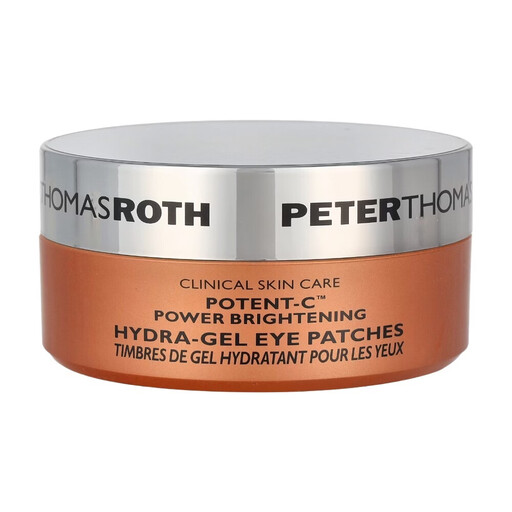
Why This Fits Their Persona: A practical match for people specifically comparing Vitamin C eye patches for a brightening-focused routine.
The formula identifies two vitamin C derivatives and gives a defined 10–15-minute wear time, rather than relying only on a general “brightening” label.
Contains tetrahexyldecyl ascorbate and ascorbyl glucoside, plus cucumber, chamomile, aloe and green tea extracts. The pack contains 60 pieces.

Why This Fits Their Persona: Designed for commuters, walkers and outdoor sports users who need breathable face and eye-corner coverage rather than a serum treatment.
It is clearly presented as a reusable outdoor mask, avoiding the common mistake of buying a cosmetic patch for UV or wind protection.
The product description specifies UPF 50+ coverage, cooling fabric, eye-corner protection, ventilation openings and adjustable ear loops.
We have compiled a complete, real-time list of products that fully satisfy these strict selection criteria and UK safety regulations.
Follow the product instructions. Many hydrogel eye patches specify 10–15 minutes, while micro-crystal patches may be designed for several hours or overnight use. Remove the patch if it becomes uncomfortable, slips towards the eye or causes irritation.
They may temporarily improve the appearance of dryness, dullness or tired-looking skin, depending on the formula and individual skin. They cannot be expected to permanently remove dark circles, particularly when their appearance is linked to pigmentation, shadows or natural facial structure.