Flatmates prioritising laundry hygiene
Residents who want a straightforward wash for everyday cotton underwear and a separate plan for heavily soiled or potentially infectious items.


For a shared house washing mostly everyday clothing and cotton underwear, start by considering a 9kg machine with a cotton programme, a useful small-load option and dimensions that fit the space. Consider 10kg when bulky or combined loads regularly create a queue. A hygiene-labelled programme is an additional choice, not a substitute for following care labels or separating heavily soiled or potentially infectious laundry.
Residents who want a straightforward wash for everyday cotton underwear and a separate plan for heavily soiled or potentially infectious items.
Residents balancing access to the machine against the size of their usual loads, including occasional towels or bedding.
Residents who need to check the installation space, comparable energy-label figures, noise and who is responsible for fitting the appliance.
Decide how the household will handle everyday and higher-risk laundry, then match drum size to its usual loads. Check the exact machine’s programme limits, running-cost information and installation space before ordering.
| Concern | What to check | Who this matters to |
|---|---|---|
| Laundry hygiene | Check for a cotton programme and read the conditions of any hygiene-labelled option. Follow garment-care labels and keep higher-risk laundry separate. | If I regularly wash cotton underwear, I want an appropriate everyday cycle without treating heavily soiled items as an ordinary load. Hygiene is the primary concern for around 33% of consumers. |
| Capacity and access | Compare the rated capacity with typical loads and check the permitted load on rapid programmes. | When several flatmates need the machine, I want enough access without choosing a large drum solely for small personal washes. Around 27% of consumers put capacity and access first. |
| Running costs | Compare kWh per 100 cycles on the same labelled programme basis, then use the household’s own tariff. | With frequent shared use, I want a way to compare electricity use rather than relying on the energy-class letter alone. For around 20% of consumers, running costs are the main concern. |
| Fit and installation | Measure the space with clearance for connections and the door; check the socket, water supply and drain arrangements. | If the machine must fit a rented home’s existing space, I need to establish whether it can be installed safely before weighing up extra features. Fit and installation come first for around 20% of consumers. |
A hygiene or steam programme has conditions specific to the machine and cycle. It does not make heavily soiled or potentially infectious items equivalent to routine underwear laundry.
Keep those items separate and follow their care labels. Check the exact programme’s fabric and load conditions before using it.
A 9kg or 10kg rating describes dry-laundry capacity; a rapid programme may allow a much smaller load. A larger drum also needs to fit the available space.
Choose capacity around the household’s recurring loads, then check programme-specific limits and the machine’s full dimensions.
Electrical Safety First warns that an extension lead shared with other large appliances can be overloaded. The machine also needs suitable water, drainage and space arrangements.
Check the socket and connections, establish who is responsible for installation in the shared home, and use a competent installer where appropriate.
Machines with the same class can have different labelled consumption figures and programme durations.
Compare the exact models’ product information sheets on the same programme basis and apply the household’s tariff.
AEG UK describes its 9kg LFE50944B as suitable for couples or flatmates.
Bosch UK lists the WGG24400GB as a 9kg, A-rated front-loader with a time-reduction option.
Samsung Business UK lists Hygiene Steam and Drum Clean on the 9kg WW90FG3M05AWEU.
Beko UK presents its 10kg range for households handling larger loads.
These machines offer different drum sizes for shared-house laundry, from smaller routine loads to regularly combined loads. Check the exact cotton and rapid-programme conditions, labelled consumption and installation dimensions against how your household will use the machine.
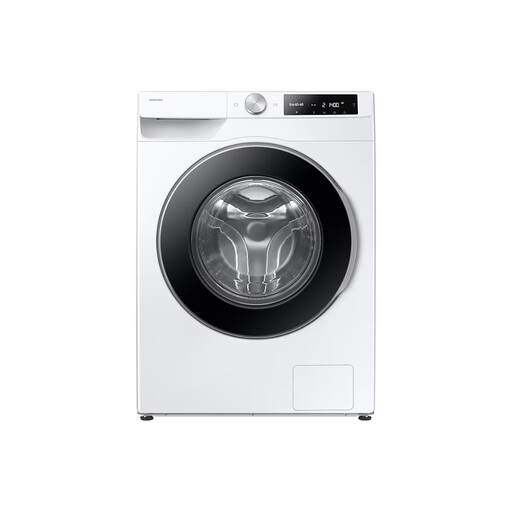 No image available
Consider this 9kg model for regular shared-house loads; check the exact cotton and quick-wash programme conditions for your laundry.
The product name specifies a 1400rpm spin and an A energy rating. Compare the product information sheet and measure the installation space before ordering.
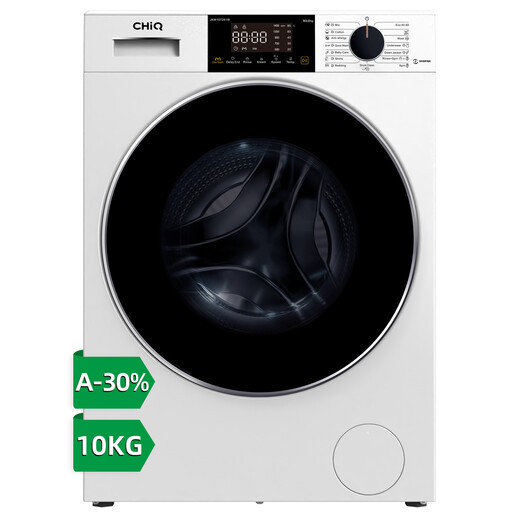 No image available
Consider the 10kg capacity if residents regularly combine larger loads; check whether the steam and cotton programme conditions suit the intended wash.
The product name specifies a 1400rpm spin. Compare labelled consumption rather than treating its A-30% wording as a running-cost figure.
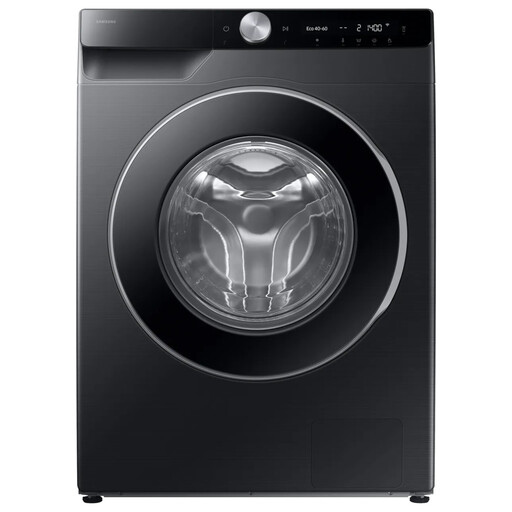 No image available
The 11kg drum is worth considering when large combined loads are routine, rather than for mostly small personal washes. Confirm the cotton programme and any hygiene or rapid-cycle limits for this exact model.
The product name specifies a 1400rpm spin and an A energy rating; check its labelled consumption and full installation dimensions.
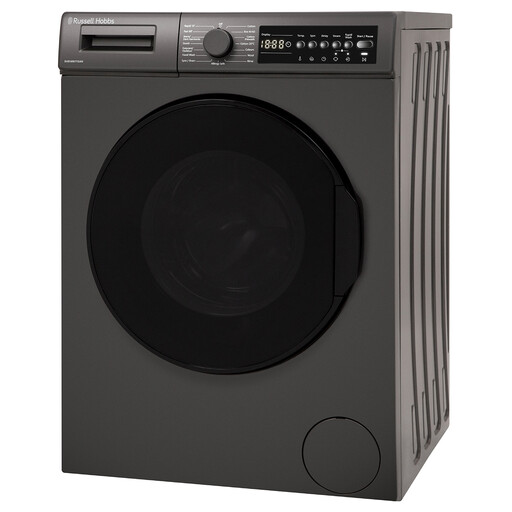 No image available
Its 9kg capacity is an option for regular shared loads. Check the cotton programme and the permitted load for any rapid cycle before relying on either for underwear.
The product name specifies a 1400rpm spin and an A energy rating. Check the exact model’s noise, labelled consumption and installation measurements.
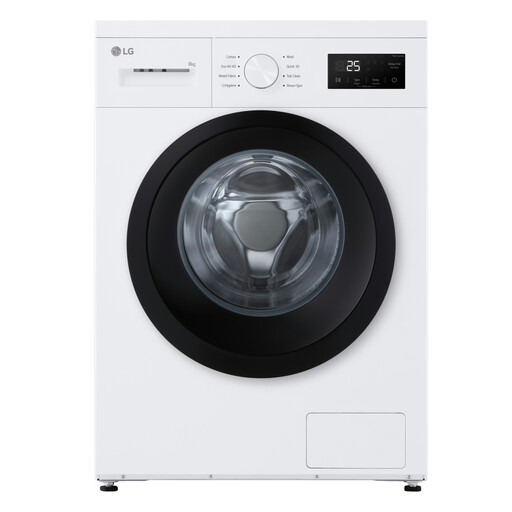 No image available
Consider this 8kg model if residents usually wash smaller personal loads; confirm that its capacity and cotton programme meet the household’s needs.
The product name specifies a 1400rpm spin and an A energy rating. Measure total depth, including the door and connection clearance, and check any quick-cycle load limit.
Not necessarily: an appropriate ordinary wash with detergent can be used for lightly soiled everyday items. Follow each garment’s care label; keep heavily soiled or potentially infectious laundry separate, using the highest temperature the fabric permits in line with Mersey Care NHS Foundation Trust’s laundry guidance.
It can be when residents mostly wash ordinary clothing loads: AEG UK positions its 9kg LFE50944B for couples or flatmates. Consider 10kg if bulky bedding, towels or combined loads are frequent enough to constrain access; Hotpoint UK’s capacity guidance associates 10kg with frequent heavy laundry in shared houses.
Not for every load: a rapid cycle must be used within the exact model’s soil and load limits. Samsung Business UK specifies that the 15-minute Quick Wash on its WW90FG3M05AWEU is for lightly soiled loads below 2kg; check the manual for whichever machine you choose.
Confirm permission and responsibility under the tenancy before changing plumbing or electrical arrangements, then check the water supply, drain, space and suitable socket. Electrical Safety First advises against using an extension lead with other large appliances; use a competent installer where appropriate and follow the machine’s instructions.