
24/7 Customer Support

Free returns

Same-day & Next-day Delivery

Quality Guaranteed

Unlock Your Welcome Offers: FREE Delivery | Up to 80% OFF | Free 30-day JoyPlus trial
Download the APP
Finding yourself holding books, menus or your phone at arm's length to see the text clearly? It's a common experience as we get older, and a good pair of reading glasses can make a world of difference. But with so many options available, choosing the right pair can feel overwhelming.
This guide is designed to cut through the clutter. As a Joybuy Product Recommendation Officer, my role is to provide clear, practical advice to help you find functional and durable reading glasses that suit your daily needs, whether at home or in the office. We will explore key features to consider and share some of our top recommendations for 2026.
Before you buy, considering a few key factors will ensure you get a pair that is both comfortable and effective.
The frame style you choose can significantly impact how you use your glasses.
Ready-to-wear reading glasses come in various strengths, measured in dioptres (e.g., +2.00, +3.00). The higher the number, the stronger the magnification. While a general age-based chart can offer a starting point, the best way to determine your needs is to consult an optician. However, if you are looking for a non-prescription pair for general use, a simple test is to hold a newspaper or magazine at a comfortable reading distance (about 35-40 cm) and see which strength allows you to read the text most clearly without strain.
It is important to remember that these are not a substitute for prescription eyewear and should not be used for driving or as a solution for distance vision problems.
For a pair of glasses you'll rely on daily, durability is key. Look for sturdy frame materials and well-made hinges. Durable reading glasses will withstand the rigours of being taken on and off frequently and carried in a bag or pocket.
Opting for classic reading glasses ensures they remain stylish and appropriate for any setting, from a professional office to a relaxed evening at home. Timeless shapes and neutral colours offer versatility, making them suitable as reading glasses for men and women alike.
Based on functionality, durability and classic design, here are two excellent options to consider.
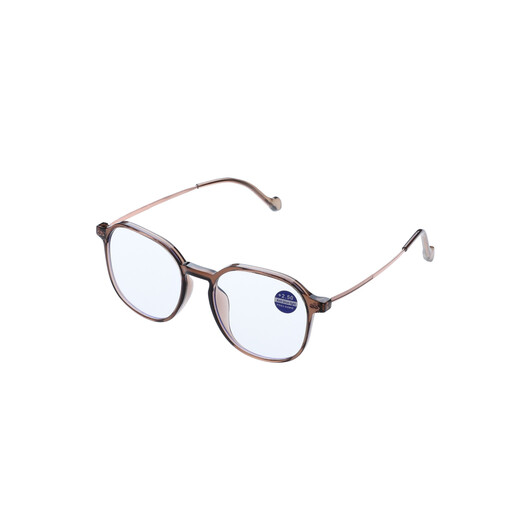
Why It Stands Out: These glasses combine a classic, full-frame silhouette with a modern transparent tea colour. The full-frame design is perfect for immersive reading, providing an unobstructed magnified view. The +3.00 strength offers significant magnification for those who need extra help with fine print.
Pros:
Who is it for? This pair is an excellent choice for individuals who spend long periods focused on close-up tasks and require a higher level of magnification. They are perfect for avid readers, crafters or professionals who review detailed documents.
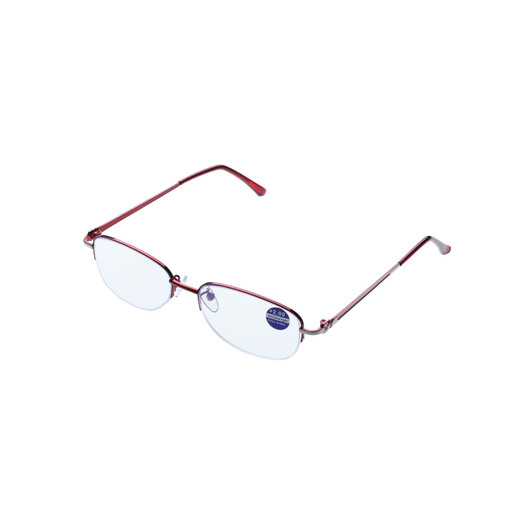
Why It Stands Out: The key feature of these glasses is their functional half frame reading glasses design. They facilitate easy switching between reading a document on your desk and looking up at a colleague or computer screen. The subtle red colour adds a touch of personality while remaining professional.
Pros:
Who is it for? Ideal for dynamic individuals who need to alternate their focus frequently. This includes office workers, teachers and anyone who finds themselves constantly looking up from a book or screen.
While this guide focuses on practical, classic unisex options, we understand that personal style is also a key consideration. If you are looking for frames with a more fashion-forward or distinct design, you may find something you like in our broader collection.
Explore our range of designer glasses frames for women to see more styles.
1. What strength of reading glasses do I need? The required strength generally increases with age. A common starting point for people in their early 40s is +1.00 to +1.50, which may increase to +2.00 or higher by their 50s. However, this is only a general guide. For an accurate assessment of your vision needs and to ensure the health of your eyes, we always recommend a comprehensive eye examination with a qualified optician.
2. Can I wear non-prescription reading glasses all the time? Ready-to-wear reading glasses are designed specifically for close-up tasks within a range of about 35-40 cm. They magnify what is near but will make distant objects appear blurry. They are not suitable for activities that require clear distance vision, such as walking around or driving.
3. How do I know if I need reading glasses? Common signs include difficulty reading small print, needing to hold your phone or books further away to see them clearly, experiencing eye strain or headaches after short periods of reading or finding you need brighter light to read comfortably. If you notice any of these symptoms, it may be time to consider reading glasses.