What to prioritise when choosing
Check course requirements first, then weigh everyday usability, portability and the cost of replacing or reusing a device against what your studies actually require.
| Concern |
What to check when buying |
Who this matters to |
| Required software |
Check application names, supported operating systems and processors, local installation needs, and any required hardware interfaces. |
If my course depends on specialist software, I need to know it will work for the activities I must do. Around 31% of consumers prioritise compatibility with required software. |
| Everyday coursework |
Compare the exact configuration and applications with your institution’s guidance; do not assume one general specification fits every course. |
When most of my study involves writing, research and online participation, I want a comfortable setup without paying for capability I will not use. About 25% of consumers put everyday coursework first. |
| Campus portability |
Compare the listed weight, screen size, charging arrangement and battery specification for the exact model. |
If I carry my laptop between classes and study spaces, I need a balance between manageable carrying and enough screen space. Roughly 19% of consumers prioritise portability around campus. |
| Affordability and reuse |
For an existing or refurbished laptop, check course compatibility, condition, included accessories and the seller’s description. |
If I want to keep spending under control, I need a device that still meets my course requirements. Approximately 25% of consumers prioritise affordability or reusing a suitable laptop. |
Joybuy laptops for university study
This selection includes Windows and Mac laptops for university study. Confirm that your course supports the operating system and exact configuration before choosing a model.
 No image available
Lenovo IdeaPad Slim 3 15.3-inch (83K7009MUK)
A Windows option to consider when your course requirements support this configuration.
AMD Ryzen 5 7535HS processor, 24GB DDR5 RAM, 512GB PCIe SSD, Windows 11 Home and 15.3-inch WUXGA display.
Joybuy
 No image available
ASUS Vivobook 15 X1504VA
A Windows laptop to compare for everyday study when its operating system and configuration meet your course requirements.
Intel Core 5 120U processor, 24GB RAM, 1TB SSD and 15.6-inch Full HD anti-glare display.
Joybuy
 No image available
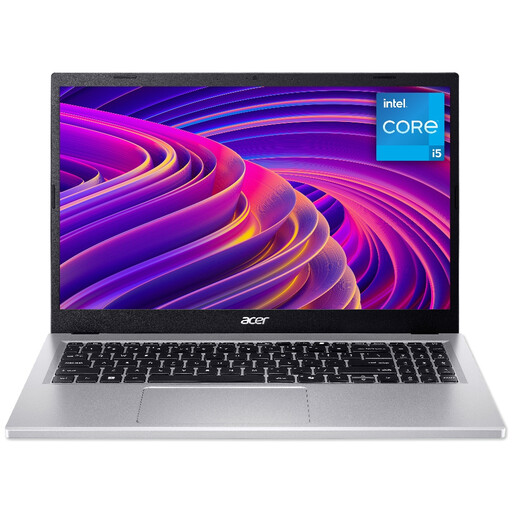
Acer Aspire Go AG15-71P
A Windows option for study if the course software and required configuration are compatible.
Intel Core i5-13420H processor, 8GB RAM, 512GB SSD and 15.6-inch Full HD anti-glare display.
Joybuy
 No image available
Apple 15-inch MacBook Air (2026), M5, 16GB, 512GB SSD
Consider this Mac only if your course applications and assessment workflow support macOS.
M5 chip with 10-core CPU and 10-core GPU, 16GB memory, 512GB SSD and 15-inch display.
Joybuy
 No image available
Apple 13-inch MacBook Neo (2026), 8GB, 256GB SSD
A compact Mac option for everyday study if your course software and assessment workflow support macOS.
A18 Pro chip with 6-core CPU and 5-core GPU, 8GB memory, 256GB SSD and 13-inch display.
Joybuy
University laptop questions
Should I buy a laptop before I receive my programme’s software requirements?
Check with your programme or department before choosing an operating system or configuration. The University of Warwick says department-specific guidance takes priority over its general device guidance, and engineering departments at the University of Nottingham illustrate why requirements can differ.
Can a virtual desktop make a Mac or Chromebook suitable for engineering?
It may help at a university that provides the required software that way, but confirm that it covers your course activities. The University of Nottingham describes virtual Windows access for some engineering work and notes that a stable connection is needed; some hardware-based activities are not suitable for virtual access.
Do I have to buy a new laptop for university?
Not necessarily: an existing laptop may be suitable if it meets your programme’s device and software requirements. The University of Warwick says a new purchase is not essential for its students when an existing device is suitable; check your own institution’s guidance and software entitlements.
What should I check before buying a second-hand laptop?
Check its condition, modifications, included accessories, supported software and seller description, and look for relevant product recalls. The UK Office for Product Safety and Standards notes that worn components can present less obvious risks.
Is a Chromebook suitable as my main university laptop?
It can suit study that relies on browser-based applications when your programme confirms that its software and assessment systems are accessible on ChromeOS. UWE Bristol does not recommend Chromebooks as a primary study device in its general guidance because many specialist applications cannot be installed on them.


