
24/7 Customer Support

Free returns

Same-day & Next-day Delivery

Quality Guaranteed

Unlock Your Welcome Offers: FREE Delivery | Up to 80% OFF | Free 30-day JoyPlus trial
Download the APP
Navigating the world of sugar can feel overwhelming. With so many options beyond the standard white granules, terms like 'raw', 'natural' and 'unrefined' are common, but what do they really mean for your kitchen? Many of us are looking for sweeteners that offer more than just sweetness—we want richer flavours, less processing and ingredients that suit specific culinary traditions.
This guide is designed to cut through the clutter. We will explore the characteristics of different types of unrefined sugar, helping you understand their unique flavours and uses. Whether you are perfecting a family recipe, seeking authentic ingredients for international dishes, or simply want a more flavourful sweetener for your morning coffee, we will provide clear, practical advice to help you make a confident choice.
Choosing the right unrefined sugar depends on what you plan to do with it. Here are a few key points to consider before you buy.
Unlike refined white sugar, which is pure sucrose, unrefined sugars retain varying amounts of molasses. This is what gives them their distinctive colour and, more importantly, their flavour.
Unrefined sugars come in various forms, which affects how you use them.
The most important factor is the intended use. While you can use demerara in your tea, it will not provide the authentic taste required for a Thai green curry. Similarly, using jaggery in a delicate sponge cake might overpower it. For general sugar for baking, a raw cane sugar like demerara is versatile. For specific regional cuisines, using the traditional sweetener like jaggery or palm sugar will elevate your dish.
Here are a few standout options that showcase the diversity and quality available, each suited for different culinary needs.
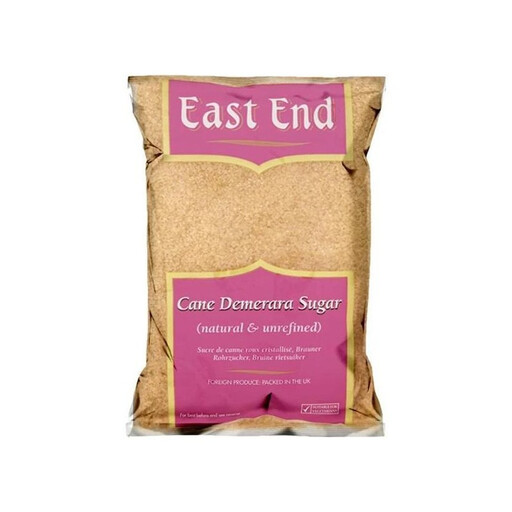
Why It Stands Out: This demerara sugar is a fantastic all-rounder. Its large, golden-brown crystals provide a satisfying crunch and a mild, warm flavour that enhances rather than overwhelms. It is minimally processed, retaining a hint of natural molasses.
Pros:
Who is it for?: Anyone looking for a simple, flavourful upgrade from refined white sugar. It is ideal for daily use in beverages and for bakers who want to add texture and a gentle caramel flavour to crumbles, biscuits and fruit cakes.
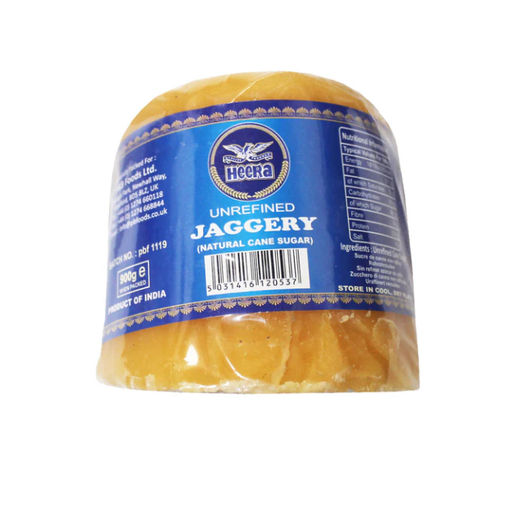
Why It Stands Out: Heera Jaggery offers an authentic taste of traditional Indian sweetener. Made by condensing pure sugarcane juice, it comes in a solid block that is packed with a deep, complex flavour. It is the key to achieving an authentic taste in many Indian sweets and savoury dishes.
Pros:
Who is it for?: Home cooks dedicated to authentic Indian and South Asian cuisine. It is also for adventurous foodies looking to explore sweeteners with a robust and distinctive flavour profile beyond typical sugars.
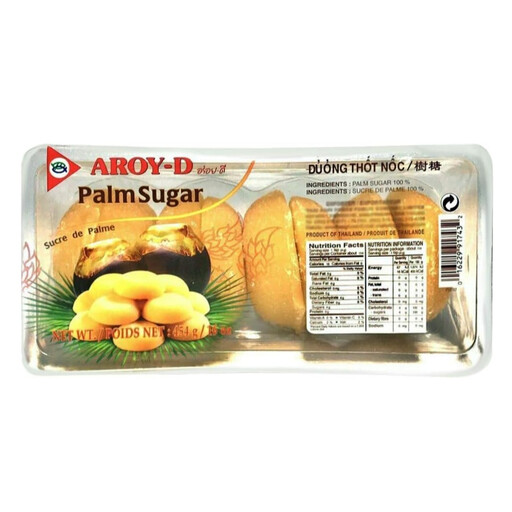
Why It Stands Out: This palm sugar is made from the sap of coconut palms and is a cornerstone of Southeast Asian cooking. It has a unique, rich sweetness with notes of butterscotch and smoke that is impossible to replicate with other sugars. Its soft, paste-like texture makes it easy to dissolve into liquids.
Pros:
Who is it for?: Anyone passionate about cooking authentic Southeast Asian food. If you are making a Pad Thai, a Thai green curry, or a classic dessert like mango sticky rice, this palm sugar is an indispensable ingredient.
The world of unrefined sugar is vast and flavourful. If the products above are not quite what you need, or if you are curious to explore other varieties like muscovado, turbinado, or different forms of raw cane sugar, we have a wider selection available.
Discover more choices in our full Sugar & Sweetener category.
1. Are unrefined sugars a healthy sugar alternative? While unrefined sugars are less processed than white sugar and do retain trace amounts of minerals like potassium and iron from the molasses, they are nutritionally very similar to regular sugar and have the same caloric value. Their main advantage lies in their richer flavour and less industrial processing. Like all sugars, they should be enjoyed in moderation as part of a balanced diet.
2. Can I substitute unrefined sugar for white sugar in baking? Yes, in many cases you can use unrefined sugars as a 1:1 substitute for white sugar. However, be mindful of a few things. The molasses content in sugars like demerara or jaggery will add moisture, a darker colour and a more robust flavour to your bakes. This works beautifully in recipes like gingerbread, fruit cakes and oatmeal cookies, but may not be suitable for light, delicate sponges.
3. What is the difference between jaggery and palm sugar? The primary difference is the source. Jaggery is traditionally made from the juice of sugarcane, while palm sugar is made from the sap of various palm trees, most commonly the coconut or palmyra palm. This results in distinct flavours: jaggery is typically earthy and rich with strong molasses notes, whereas palm sugar (including coconut sugar) often has a lighter, more caramel- or butterscotch-like taste.