
24/7 全天候客户支持

免费退货

当日/次日达

品质保障

开启新人专享福利: 全场免邮 | 低至 2 折 | 免费试用 30 天 JoyPlus 会员
下载 Joybuy
Choosing an upper arm blood pressure monitor should be straightforward, but product pages often focus on impressive-sounding features rather than the details that determine whether a device is practical. For adults, older people, carers and families in the UK, cuff fit, display clarity and consistent operation usually matter more than a long list of wellness functions.
A cuff that is too small or too large may affect comfort and measurement consistency. Do not assume that “adult size” will fit everyone. Check the stated arm circumference range before buying, particularly if you need a large cuff blood pressure monitor.
Many household models use a 22–42 cm cuff, while some standard cuffs only cover 22–32 cm. Measure around the upper arm, following the manufacturer’s instructions, rather than relying on clothing size.
Smartwatches can be useful for general activity and wellness tracking, but they should not automatically replace an automatic blood pressure monitor. The Dido G80S and VoxorAI models listed for sale include blood pressure-related wellness features, but their product information states that they are not medical devices and that readings are for reference only.
For regular home monitoring, an upper-arm digital blood pressure machine with a dedicated cuff is generally more directly suited to the task. Always follow the product instructions and seek professional advice about persistent or concerning readings.
Bluetooth, voice prompts and smartphone apps may be convenient, but they can add setup steps. If the monitor is for an older person, a one-button design and large figures may be more useful than app connectivity.
Also check what is included. Some monitors require batteries or a separate power adapter, while others include them in the box. This affects the real cost of running the device.
The cuff should sit around the upper arm, usually 1–2 cm above the elbow, with the tube positioned as directed. During measurement, sit quietly with your back supported, keep both feet on the floor and rest the arm at heart level.
For families sharing one device, a 22–42 cm cuff can provide broader coverage. If the supplied cuff does not fit, check whether a compatible replacement is available before purchasing.
A blood pressure monitor for seniors should have clearly separated systolic, diastolic and pulse readings. A large LCD screen, high-contrast digits and one-touch operation can reduce confusion.
Useful practical functions include:
A BP machine with memory is particularly helpful when readings need to be discussed at an appointment. Separate user profiles can prevent one family member’s records from being mixed with another’s.
Some devices include irregular heartbeat detection, also described as arrhythmia or IHB detection. This is an alert feature, not a diagnosis. If an alert appears repeatedly, or if readings remain unusually high or low, consult a healthcare professional rather than changing medication independently.
A hypertension indicator may use symbols or colour bars to show where a reading sits against the device’s reference classification. Treat this as information to discuss with a clinician, not as a medical conclusion.
Look for clear documentation, a UK responsible person where applicable, safety instructions and relevant conformity information. Product packaging and manuals should be checked carefully because specifications can vary by version.
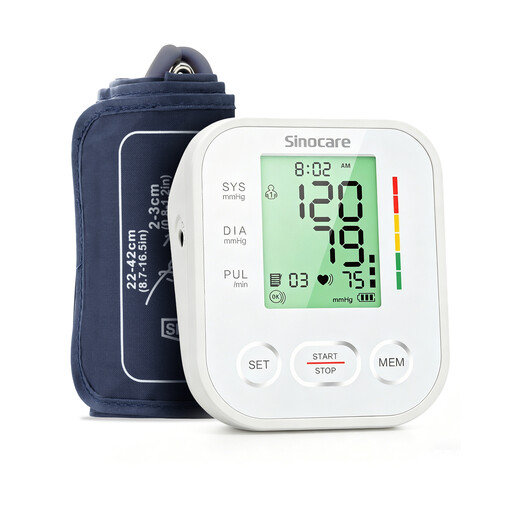
Why This Fits Their Persona: A simple choice for a first-time buyer or family that wants a dedicated home blood pressure monitor without app pairing or complicated controls.
It uses one-button operation and includes an upper-arm cuff, four AAA batteries and instructions, helping avoid hidden accessory costs.
The listed features include a 3.6-inch LCD screen, intelligent inflation and irregular heartbeat detection.
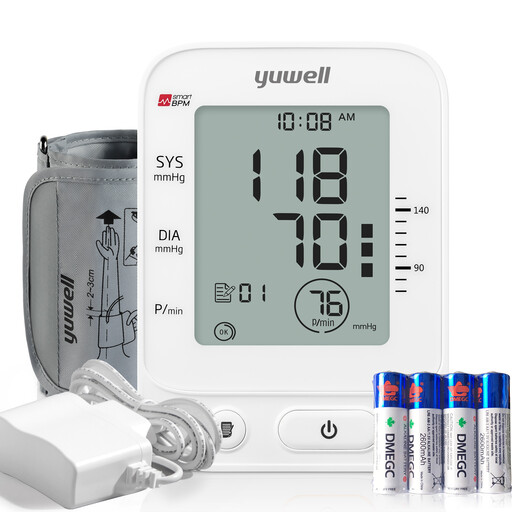
Why This Fits Their Persona: Suitable for users who prioritise a wide-range cuff, simple operation and a larger record history for regular household monitoring.
The product listing specifies a wide-range cuff, one-touch use and an included power adapter, so buyers can check fit and power requirements upfront.
It provides 99-reading memory, a 3.6-inch display, irregular heartbeat detection and a hypertension indicator.
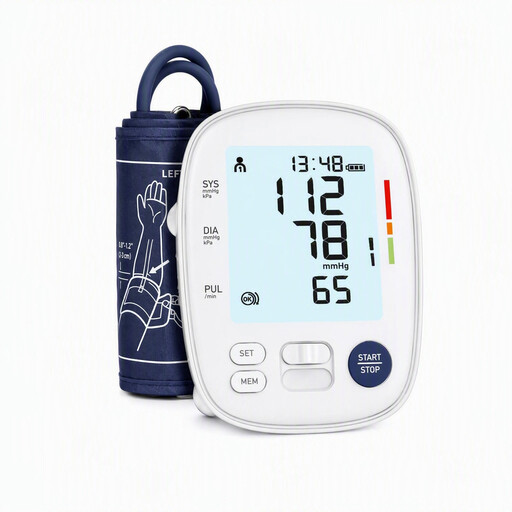
Why This Fits Their Persona: A practical fit for families sharing a monitor, users with larger arms or carers who need to review stored readings.
Its stated 22–42 cm cuff range and two separate memory banks address the common problems of poor fit and overwritten records.
It stores 2 × 120 readings, averages the last three measurements and supports battery or Type-C power.
We have compiled a complete, real-time list of products that fully satisfy these strict selection criteria and UK safety regulations.
Readings are for personal reference and do not replace medical advice. Contact a healthcare professional if results are repeatedly concerning or if you feel unwell.
Lifespan depends on storage, frequency of use, cuff condition and battery handling. Keep the monitor dry, away from direct sunlight and extreme temperatures. Inspect the cuff and tubing periodically, and follow the manufacturer’s replacement or warranty guidance.
They can be, provided the cuff fits properly and the controls and display are easy to use. Look for a large screen, one-touch measurement, clear symbols and memory storage. A carer may also prefer two-user memory or a large cuff blood pressure monitor.
Running costs are generally limited to batteries unless the device includes or supports a mains adapter. Replace batteries as a complete set and do not mix new and used cells. Rechargeable or USB-compatible operation may reduce disposable battery use, but check the exact power requirements before purchase.